









Whether you practice in an affected region or hundreds of miles away, this episode delivers the surveillance, reporting, and prevention guidance you need, with the right level of urgency.
Whether you practice in an affected region or hundreds of miles away, this episode delivers the surveillance, reporting, and prevention guidance you need, with the right level of urgency.
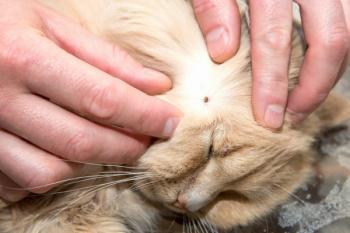
A fatal feline case near Oklahoma City spotlights cytauxzoonosis, a fast-moving, often-lethal tick-borne disease with a narrow treatment window.

In Part 2 of this miniseries, Jennifer Edwards, DVM, ACC, CPC, ELI-MP, discusses how reclaiming agency, setting parameters, and understanding personal limits can help veterinary professionals protect their well-being.
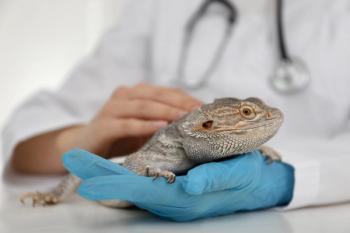
The strategic plan from the CVM aims to close persistent treatment gaps for underserved animal populations, from sheep and fish to dogs and cats with rare diseases.

A comparison of the 2025 and 2026 AVMA Convention programs reveals a growing focus on affordability and access, alongside increased programming on New World screwworm, disaster preparedness, and veterinary practice ownership.

Texas A&M researchers detected Rickettsia typhi and Bartonella species in fleas pulled from domestic cats in the Rio Grande Valley, reinforcing the case for year-round parasite control.
Christina M. Gentry, DVM, DACVD, and Lori Teller, DVM, DABVP, discuss what their new survey of 718 North American veterinarians reveals about how cost and knowledge gaps shape everyday CAD care.

Conflict with clients doesn't have to end in a shouting match at the front desk.

In a longitudinal study of 88 senior dogs, thoracic limb stride length tracked owner-reported cognitive impairment even after accounting for age and pain—pointing to a simple, scalable mobility marker for geriatric monitoring.
Tripp Oliphant, DVM, reflects on how experience, repetition, and teamwork helped build his confidence in emergency medicine and shaped his interest in managing complex critical care cases.

Sid Miller says injectable treatment alone can't protect large herds or wildlife as the parasite spreads across Texas counties.
Heart murmurs in dogs and cats often require more than monitoring, according Tripp Oliphant, DVM, who recommends earlier echocardiography and cardiology referral, as murmur grade may not reflect true cardiac disease severity.

Here is a sneak peek of this week’s headlines.
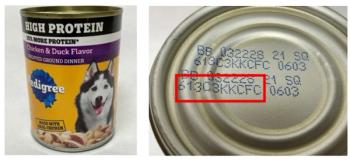
The company says the recalled cans had been sent for destruction before being “fraudulently” diverted and sold in the US marketplace.

Scripts for confident client conversations from a veterinary communications solutions consultant.

As clients’ desire for feline veterinary hospice care grows, be ready to discuss end-of-life care recommendations that best suit the cat’s and family’s needs and resources.
Joe Smith, DVM, MPS, PhD, DACVIM, DACVCP, cVMA, explains intravenous regional limb perfusion in a dvm360 interview.

July is National Pet Hydration Awareness Month, which makes it a natural time to revisit an often-overlooked aspect of senior pet care: hydration.

FT-IR spectroscopy enables rapid bacterial strain typing, helping veterinarians trace outbreaks such as Klebsiella mastitis quickly to protect herds and food security.

Continuing education on demand anytime, anywhere.
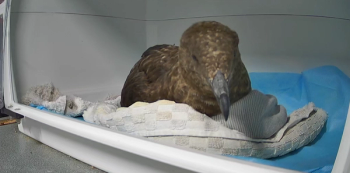
dvm360’s Australian correspondent Phil Tucak shares updates on Qwoll, a new practice management system built for locum vets and mobile veterinary nurses and technicians; and H5 avian influenza detected in Australia
Tripp Oliphant, DVM, discusses the transition from veterinary school to emergency practice, sharing advice on clinical reasoning, teamwork, and seeking mentorship in high-pressure situations.

With shelters reporting a surge in lost pets each Fourth of July, this expert-backed guide offers practical tips veterinary teams can share with clients on recognizing stress, preventing escapes, building a reliable recall, and responding if a dog gets loose.

dvm360's annual conference in Missouri introduces the 2026 Veterinary Heroes and features unique opportunities to network and learn
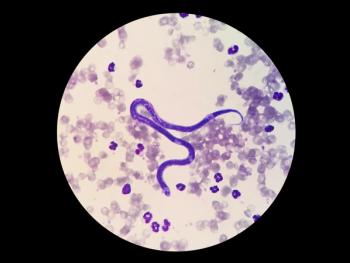
Embrace Pet Insurance reports diagnosis claims rising sharply across regions, seasons, and age groups, suggesting that long-held assumptions about heartworm risk may be outdated.

Adam Christman, DVM, MBA, chats with Kenneth Pierce, DVM, MS, DACVO, about practical strategies for diagnosing cataracts, prioritizing corneal ulcer treatment, and recognizing true ophthalmic emergencies in general practice.
Mark J. Acierno, DVM, MBA, DACVIM (SAIM), discusses treatment strategies for CKD-associated anemia, appetite support, and how FGF-23 testing can help guide phosphorus restriction in cats.
Tripp Oliphant, DVM, discusses how veterinary school prepared him for emergency medicine, the challenges of managing cases independently, and the lessons he learned early in practice.

Hosted by the North American Veterinary Community, the annual Veterinary Meeting & Expo will offer more than 1000 hours of continuing education.

A recent survey found that 63% of veterinarians believe people should not own pets if they can't afford veterinary care at current market rates. Kate Elden, DVM, argues the findings point to systemic barriers—not a lack of compassion—and calls for shared responsibility to improve access to care.