





Dermatology
Latest News

Advertisement
Video Series

Latest Videos





Shorts

4:43
From opera to otitis: One dermatologist’s winding road
18 days ago
by
Julia E. Miller, DVM, DACVD(+1 more)

1:09
Find your path to veterinary medicine career satisfaction
a month ago
by
Julia E. Miller, DVM, DACVD(+2 more)

1:07
Factoring cost and comfort into itch control options
a month ago
by
Julia E. Miller, DVM, DACVD(+2 more)

1:05
Walking clients through a long-term pet itch plan
a month ago
by
Julia E. Miller, DVM, DACVD(+2 more)
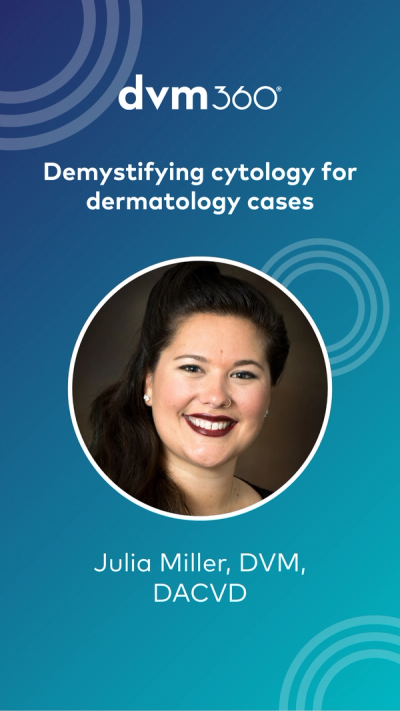
1:33
Demystifying cytology for dermatology cases
2 months ago
by
Julia E. Miller, DVM, DACVD(+2 more)
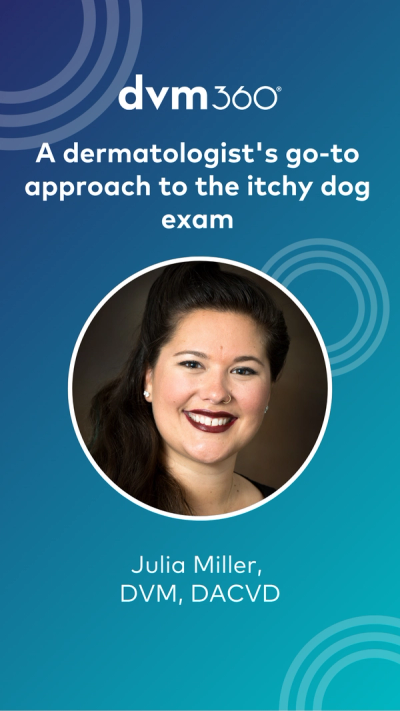
1:11
A dermatologist's go-to approach to the itchy dog exam
2 months ago
by
Julia E. Miller, DVM, DACVD(+2 more)

1:24
Tackling otitis externa in dogs
2 months ago
by
Julia E. Miller, DVM, DACVD(+1 more)
1:39
3 Tips to Rock Your Diet Trial
3 months ago
by
Julia E. Miller, DVM, DACVD

1:01
When should a dog see a dermatology specialist?
4 months ago
by
Lori Teller, DVM, DABVP

0:53
With canine atopic dermatitis, early referral can make all the difference
5 months ago
by
Christina Gentry, DVM, DACVD
Podcasts





CE Content

















Advertisement
More News

A new version of an injectable antibiotic, first approved in 2008, is approved only for dogs, as 2 of its inactive ingredients may be toxic to cats.

New CDC and climate data show tick exposure and pollen seasons are both stretching well beyond their traditional windows, a trend animal health company Elanco says is also increasing demand for veterinary care.

At the Fetch dvm360 conference in Kansas City, Missouri, Julia Miller, DVM, DACVD, walked attendees step by step through the cytology, cleaning, and inflammation management that decides whether a frustrating ear case finally resolves.
This slideshow breaks down what makes feline otitis externa a distinct diagnosis, walking through the anatomy, the polyps that can hide a secondary infection, and the treatment considerations that set it apart from canine ears, with insight from Sonja Zabel, DVM, DACVD.
Miller is dvm360's 2026 Veterinary Hero dermatology award recipient
From inflammatory polyps and secondary infections to the off-label hesitation that keeps clinicians from treating, Sonja Zabel, DVM, DACVD, of Peak to Coast Veterinary Specialists in Portland, Oregon, walks through her approach to otitis in cats—and the anatomy and species quirks that set them apart from dogs.

Contextualizing clinical decision-making by integrating pet parent and pet factor considerations.
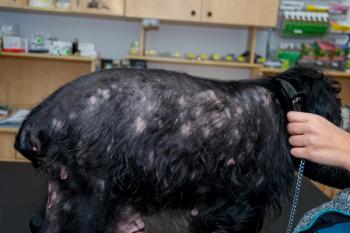
A dvm360 interview with Christina M. Gentry, DVM, DACVD, and Lori Teller, DVM, DABVP, about their new research surveying veterinarians about canine atopic dermatitis.

Data from Merck Animal Health show veterinarians and pet owners prioritize fast, effective itch relief for allergic skin disease in dogs.
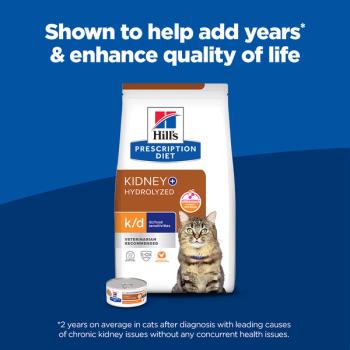
The new diets may help veterinarians manage pets with chronic kidney disease and concurrent skin or gastrointestinal concerns.
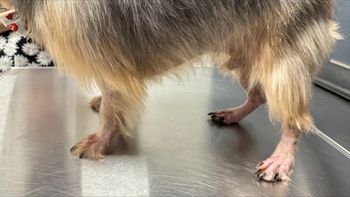
Jennifer Miller, DVM, talks about pharmacology innovation and new therapies for canine parvovirus and itch relief.
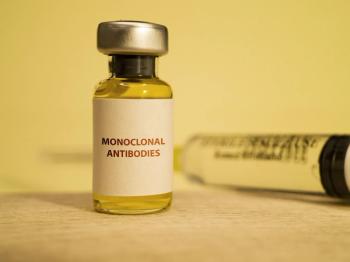
Tirnovetmab (Befrena; Elanco) injection received USDA approval in late 2025.
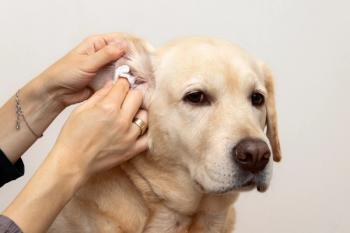
A new University of Illinois study identifies a single genetic change that explains why some Malassezia ear infections stop responding to miconazole. The study authors say the findings point at the need for better antifungal stewardship.

Assessing the accuracy of allergen-specific IgE serological assays
Christina Gentry, DVM, DACVD, discusses concurrent diseases and skin emergencies in a dvm360 interview.

The challenges of methicillin-resistant infections in pets and what the current research says.

Discover the benefits of long-acting injectable antibiotics in veterinary dermatology and the importance of client communication for effective treatment in this interview with Darin Dell, DVM, DACVD.

Learn effective strategies for managing canine pyoderma, emphasizing root cause identification and responsible antimicrobial use in dermatology.
Advertisement
Advertisement
Trending on dvm360
1
Mary Beth Leininger, DVM, first woman to lead the AVMA, dies at 83
2
Arizona issues dog and cat travel guidance as New World screwworm cases reach 6
3
Hemoperfusion is feasible and safe in healthy goats, Texas A&M study finds
4
What's new in feline care: A parasiticide approval and 3 new nutrition products
5