








The Pawlicy Advisor and AAHA State of the Industry report surveyed 451 veterinary professionals and found every affordability measure worsening year over year.
The Pawlicy Advisor and AAHA State of the Industry report surveyed 451 veterinary professionals and found every affordability measure worsening year over year.

A Garland, Texas, couple operated a website that sold veterinary drugs not approved for use in the United States as well as unregistered pesticides smuggled from Mexico, according to the US Department of Justice.

Caitlyn Getty, DVM, PhD, DACVIM (Nutrition), explains the use of nutrition first to manage GI cases, tailoring highly digestible, high-fiber, or low‑fat diets to patient needs.
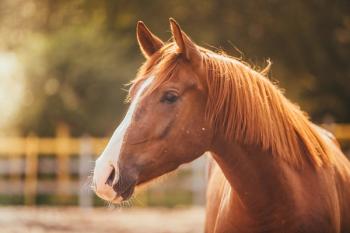
Research into alpha-2-macroglobulin is shedding light on its potential role as an anti-inflammatory orthobiologic for managing joint disease in horses.
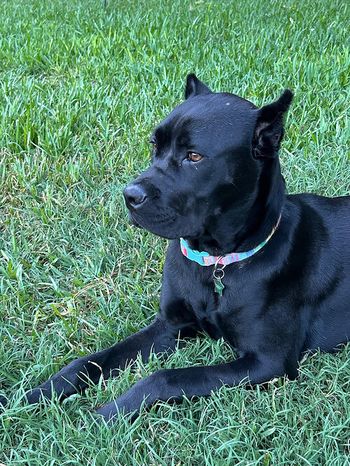
A single 220-mg tablet of naproxen can cause serious GI and kidney injury in dogs and cats, veterinary toxicologists warn.

The fresh-food company, whose recipes are developed by a team that includes board-certified veterinary nutritionists, has signed a multiyear deal, making it the league's inaugural pet food partner.

The court found the veterinary school's alleged injury too speculative to proceed, leaving the broader questions about veterinary accreditation raised by the case and by the US Department of Justice unresolved.
In the latest Resilient Vet podcast episode, Aaron Shaw, OTR/L, CHT, CSCS, lays out 5 practical protein habits built for long shifts and a durable career. This slideshow walks through all 5.
Anthony Coronado, DVM, breaks down how new veterinarians can build clinical confidence, communicate with clients, and avoid burnout in their first years in this episode of The Vet Blast Podcast, presented by dvm360.

A retrospective review of nearly 79,000 dogs across more than 1000 primary care hospitals found that parvovirus diagnoses dropped by more than 85% between 2010 and 2022, but of the dogs with known outcomes, nearly 44% still died or were euthanized within 14 days of diagnosis.

New leadership moves, recognition, and achievement.
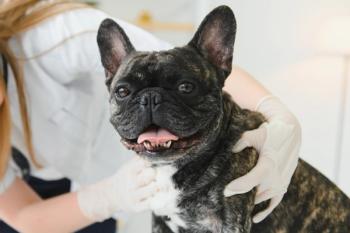
The 2026 RECOVER guidelines expand beyond CPR to include evidence-based first aid recommendations for dogs and cats, adapting familiar human interventions to species-specific anatomy and physiology.
Caitlyn Getty, DVM, PhD, DACVIM (Nutrition), outlines how extended, flexible transitions help pets accept prescription renal diets, preventing negative effects of inappropriate over-the-counter foods.
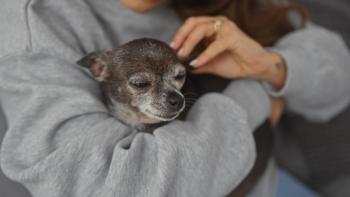
Cognitive dysfunction in dogs and cats becomes more common with age and often mimics other conditions, according to a Texas A&M veterinary neurologist, who says a detailed history is key to diagnosis.

From proposed changes to higher education accreditation to the FDA’s authorization of Capstar and generic nitenpyram to prevent and treat New World screwworm in pets, here are 3 veterinary news stories to know this week.
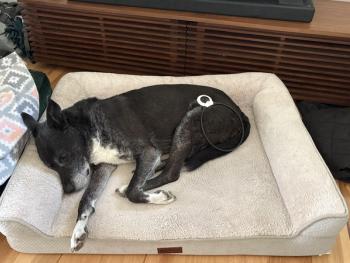
From prescribed movement to subanesthetic ketamine, these 5 tools help hospice and palliative care practitioners keep patients comfortable through life's final chapter.
Caitlyn Getty, DVM, PhD, DACVIM (Nutrition), explains how veterinarians can use combination renal diets and nutrient profiling to match food choices to complex patient needs.
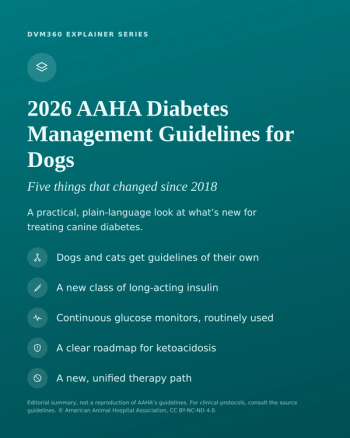
The AAHA released 2026 diabetes management guidelines for dogs, its first stand-alone canine edition, changing insulin options, monitoring, and treatment approaches.
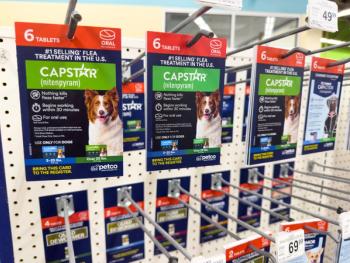
The emergency use authorizations mark the first FDA-authorized prevention option for New World screwworm in dogs and cats.

The new USDA resources provide guidance on identifying and reporting suspected New World screwworm for hunters and wildlife professionals, while wildlife surveillance by federal and state officials remains an ongoing challenge.

A Texas A&M–led analysis of more than 50,000 dogs found that 5 or more chronic conditions more than doubled mortality risk in a given year, regardless of a dog's age or size.
Five quick nutrition strategies for veterinary professionals looking to support strength, energy, and long-term physical durability.

Kelly Mann, DVM, MS, MSS, DACVR, highlights canine freeze-dried plasma as one piece of the puzzle in developing better veterinary blood products.

The action lifts NWS-related movement requirements in parts of 5 Texas counties, marking the first infested-zone releases in the state since the pest's June 3 detection in a Zavala County calf.

AAHA's newly released guidelines for diabetes management in dogs cover diagnosis, treatment, monitoring, and dietary management, incorporating advances in continuous glucose monitoring and long-acting insulins.
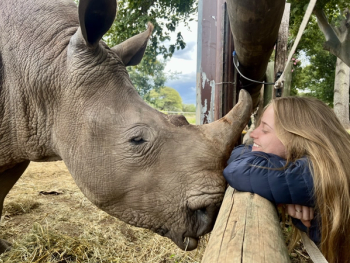
Updates about the Australian veterinarian who helped set up the veterinary and conservation training initiative Rhino Connect, plus H5N1 in Australia.
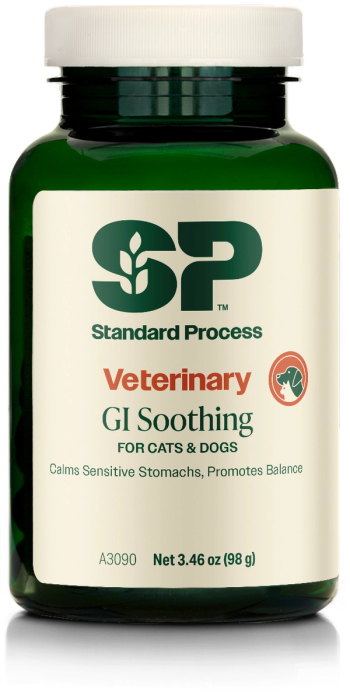
The supplement combines Saccharomyces boulardii with postbiotic metabolites and botanicals, as other probiotic products enter the companion-animal market.
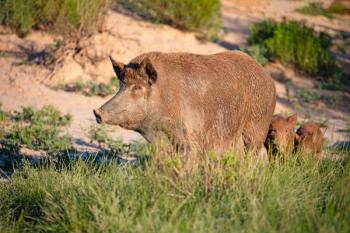
Texas A&M researchers mapped the range of a native soft tick with a documented history of African swine fever vector competence.
Caitlyn Getty, DVM, PhD, DACVIM (Nutrition), describes prebiotics, probiotics, and postbiotics, emphasizing how fermentable fibers become short-chain fatty acids that nourish colon cells and reduce inflammation.

The Keep Moving Activation ties in-app walking milestones to discount codes for Virbac's URSOLYX and MOVOFLEX chews.