


Practical strategies for discussing pet obesity with confidence and compassion.
Practical strategies for discussing pet obesity with confidence and compassion.
A candid conversation on why difficult client interactions can linger, how repeatedly pushing aside the emotional impact can affect future interactions, and how intentional debriefing can help veterinary professionals process those experiences in a healthier way.
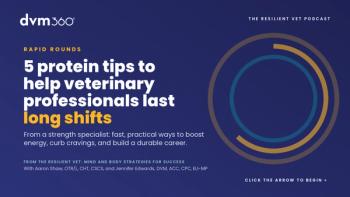
In the latest Resilient Vet podcast episode, Aaron Shaw, OTR/L, CHT, CSCS, lays out 5 practical protein habits built for long shifts and a durable career. This slideshow walks through all 5.
Five quick nutrition strategies for veterinary professionals looking to support strength, energy, and long-term physical durability.
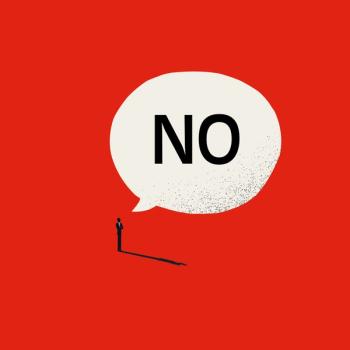
These examples for saying no can help veterinary professionals set clear boundaries, decline requests without over-explaining, and avoid reopening the conversation.
Jennifer Edwards, DVM, ACC, CPC, ELI-MP, discusses practical strategies for setting boundaries and navigating difficult conversations in veterinary practice.
Aaron Shaw, OTR/L, CHT, CSCS, and Jennifer Edwards, DVM, ACC, ELI-MP, examine the benefits of creatine for women in veterinary medicine, covering muscle preservation, bone health, dosing, and adverse effects through perimenopause and beyond in this latest episode of The Resilient Vet.

“Most careers are not built on moments of brilliance but on years of showing up while quietly suspecting you are underqualified,” writes Ignacio Mérida Isla, DVM, MBA, MRCVS, CertAVP. His reflection explores impostor syndrome, professional growth, and why uncertainty can be a sign of becoming a better veterinarian.
Aaron Shaw, OTR/L, CHT, CSCS, explains how creatine supports rapid energy production and discusses why the supplement may benefit veterinary professionals facing physically and mentally demanding work.

Boundaries, barbecues, and being a veterinarian in public.
In Part 2 of this miniseries, Jennifer Edwards, DVM, ACC, CPC, ELI-MP, discusses how reclaiming agency, setting parameters, and understanding personal limits can help veterinary professionals protect their well-being.
In the first of a 2-part series, this episode of The Resilient Vet: Mind & Body Strategies for Success examines the roots of people-pleasing in veterinary medicine, tracing how early experiences and professional culture can reinforce a reluctance to set limits.

Tripp Oliphant, DVM, on how everyday language, pronoun respect, and decisive leadership actions build belonging and psychological safety in veterinary teams.
The habit of saying yes looks like dedication. Over time, it can quietly erode effectiveness, well-being, and sense of self, explains Jennifer Edwards, DVM, ACC, CPC, ELI-MP, in this episode of The Resilient Vet: Mind and Body Strategies for Success.
An episode on addressing the aches and pains of clinical work through practical ergonomic strategies, alongside a free veterinary ergonomic checklist from occupational therapist Aaron Shaw, OTR/L, CHT, CSCS.
Veterinary medicine is a physical job, yet most practices lack a system to support that reality. This episode breaks down what a durability system actually looks like and how to integrate it into the daily demands of a busy clinic.

Historically one of the most satisfied groups in the profession, relief veterinarians are now experiencing a notable rise in burnout, raising new questions about how well we are navigating financial, administrative, and structural pressures.
Competence is one of the most valued traits in veterinary medicine. It's also, in the wrong conditions, one of the most costly. Listen to this latest episode of The Resilient Vet.
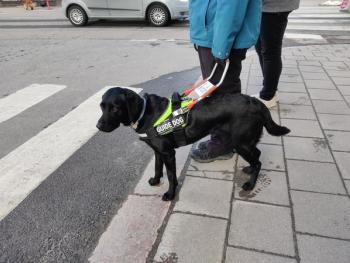
Research affiliated with 2 universities in Finland has provided new insight into the human-animal bond.

Do you know what clinics are getting wrong about burnout, and what the cost is?

Burnout, staffing shortages, and emotional strain continue to weigh on veterinary professionals. Take dvm360's 2026 survey and help tell the story of what it's really like to work in the profession right now.
From microhabits to environmental design, Aaron Shaw, OTR/L, CHT, CSCS, and Jennifer Edwards, DVM, ACC, CPC, ELI-MP, explore practical strategies veterinary professionals can use to build sustainable health and performance.
How veterinary professionals fuel themselves may directly affect focus, decision-making, communication, and overall team performance in the clinic.
Many practice culture conflicts stem not from incompetence but from expectations that were never clearly expressed, argues Jennifer Edwards, DVM, ACC, CPC, ELI-MP, and Aaron Shaw, OTR/L, CHT, CSCS.

Share your perspective on fatigue, expectations, and self-judgment that shape veterinary workdays.

A slideshow on identifying the 3 most common mental roadblocks in veterinary medicine and practical shifts that can help professionals move forward.
How unspoken expectations, assumptions, and self-judgment quietly impact stress, burnout, and daily decision-making in veterinary medicine.
Learn more about VetTriage, teletriage, telementorship, and the real impact of artificial intelligence in veterinary medicine during this episode of The Vet Blast Podcast, presented by dvm360.
Lindsey Braun, vice president of research and operations for the Human Animal Bond Research Institute, discusses research into how pairing shelter cats with older, independent humans can be mutually beneficial.
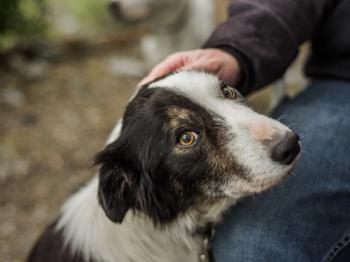
In his lecture at WVC 2026, Franklin McMillan, DVM, DACVIM, DACAW, challenges veterinarians to look beyond physical injuries to recognize and treat the persistent emotional scars of psychological trauma in canine patients.