An investigational CBD-THC oral solution for dogs with bone cancer pain is now eligible to pursue an FDA route that could bring it to market before full approval.
Fast recognition of subtle neurologic signs and a coordinated, multidisciplinary workup helped save Aika.
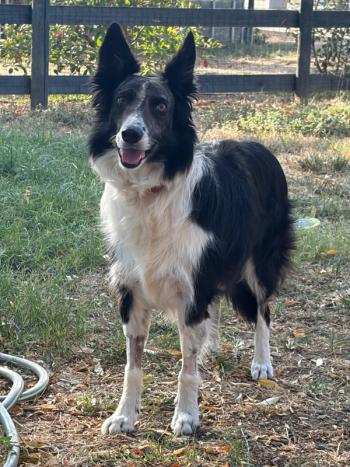
A 5-year-old corgi named Aika is back to her normal, playful self after surviving a life-threatening episode of meningoencephalomyelitis, an inflammatory disease affecting the brain. Her case, from the University of California, Davis (UC Davis) William R. Pritchard Veterinary Medical Teaching Hospital, is a reminder of how much subtle neurologic signs can matter, and how quickly a case can turn critical without rapid intervention.1
When Aika arrived at the hospital's emergency department, Christine Toedebusch, DVM, PhD, DACVIM (Neurology), was the clinician who first flagged that something serious was presenting.
"When she was placed on the exam table, something felt wrong. She stayed on her side and never tried to get up," Toedebusch said.1 "For a young dog, that's not normal behavior. I immediately suspected something was affecting her brain."
Rather than wait for the next shift, Toedebusch pushed to start the workup immediately. "Work shifts were ending, but I knew we needed to investigate Aika's condition that night rather than in the morning," she said.
MRI and cerebrospinal fluid analysis pointed to meningoencephalomyelitis. Aika was also hypoventilating and required mechanical ventilation to stabilize her.
Getting Aika through the acute crisis took a multidisciplinary team of neurology, diagnostic imaging, anesthesiology, critical care, and oncology specialists working in close coordination.
Once stabilized, Aika's treatment plan centered on an immunosuppressive protocol not typically associated with a brain disease: an overnight intravenous infusion of a drug more familiar to oncologists than neurologists.
"Interestingly enough, even though this is not a cancer, it is responsive to a chemotherapy drug called cytarabine," Toedebusch said.
Aika was discharged after 4 days in the hospital and has continued on long-term corticosteroids along with monthly cytarabine infusions to manage the underlying inflammatory disease.
For owner Hanna Lao, the outcome was a dramatic turnaround from a frightening emergency visit.
"We're so grateful for everyone at UC Davis. They treated us so well," Lao said.1 "She's walking, running, playing…doing all the normal things a dog should be doing."
References