


When December feels like a grind, a waterfront venue, 60-degree weather, and a top-tier education lineup may be just what your team needs to recharge.
When December feels like a grind, a waterfront venue, 60-degree weather, and a top-tier education lineup may be just what your team needs to recharge.
From catheter size and vessel selection to common placement mistakes, Alyssa Mages, BS, CVT, FVTE, shares practical guidance on venipuncture and IV catheter placement for veterinary technicians.
Recorded live at Fetch Kansas City, veterinary experts shared evidence-based approaches to wound care—from choosing when to close or let a wound heal by second intention to supporting stalled wounds with appropriate dressings, patientwide care, and 3D extracellular matrix hydrogel.
Alyssa Mages, BS, CVT, FVTE, shares guidance on assessing emergency patients, communicating with distressed clients, and establishing a team-based triage process.

Caroline Cox, LSW, MSW, and Erika Krick, VMD, DACVIM (Oncology), discuss the role of veterinary social workers in supporting clients, communicating with veterinary teams, and helping practices address the human side of veterinary care in this Q&A from an interview at the 2026 Fetch National Harbor Veterinary Conference.
In a keynote address at the 2026 Fetch National Harbor Veterinary Conference, Jessica Pritchard, VMD, MS, DACVIM (SAIM), shared research showing that many owners decline vaccines because they do not think their pet needs them, and discussed ways veterinary teams can address those concerns.
Alyssa Mages, BS, CVT, FVTE, outlines key considerations for veterinary technicians during triage, from rapid patient assessment and prioritization to client communication and team coordination, in this interview from the 2026 Fetch National Harbor Veterinary Conference.

In a session at the 2026 Fetch National Harbor Veterinary Conference, Nathanael Oster, VMD, MBA, walked attendees through the biology, diagnosis, and treatment of the flea tapeworm in dogs and cats, including why cats are affected more often than dogs.
In a slideshow drawn from an on-site dvm360 interview at the 2026 Fetch National Harbor Veterinary Conference, a veterinary oncologist and a veterinary social worker walk through how the role supports owners and staff across a pet's cancer diagnosis, treatment, and end-of-life care.
A plethora of continuing-education sessions run across 3 days, September 17–19, at the Gaylord National Resort in National Harbor, MD. Here are the ones to circle first, sorted by practice area, plus a handful that are easy to scroll past and worth catching.
Brandon Stapleton, DVM, explains how fresh food differs from raw diets and how digestibility, hydration, and portioned meals can support weight management and hard-to-feed patients in this episode of The Vet Blast Podcast
Valli Parthasarathy, DVM, PhD, DACVB, discusses how veterinarians can evaluate feather loss, self-mutilation, and vocalization in pet parrots and identify when medical and behavioral factors may overlap.
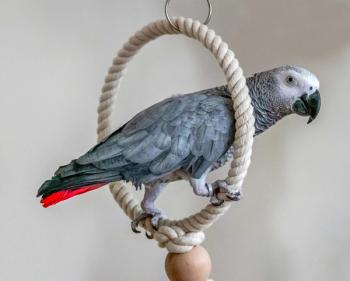
Valli Parthasarathy, DVM, PhD, DACVB, discusses how veterinarians can recognize and manage common behavior problems in pet parrots, from excessive vocalization to feather-destructive behavior. She also offers guidance on treatment, behavior modification, referral, and meeting the behavioral needs of these intelligent birds.
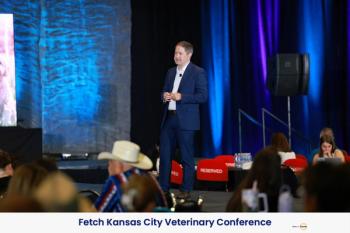
Brian A. Scansen, DVM, MS, DACVIM (Cardiology), traced degenerative mitral valve disease from the at-risk patient to refractory failure and outlined the radiographic thresholds that determine who starts therapy.
Dilara Kiran, DVM, MS, shares practical ways veterinary professionals can begin engaging in policy, from the AVMA Congressional Advocacy Network to advocacy days and state veterinary medical associations.
Dilara Kiran, DVM, MS, maps 2 ways vets shape policy: applying science to inform decisions, and crafting practice rules on issues ranging from vaccines to telemedicine.
Anita Patel, DVM, shares why the spectrum of care was one of her key takeaways from AVMA Convention sessions and discusses how veterinarians can use available tools and resources to provide care that considers both patient needs and client circumstances.
Anita Patel, DVM, discusses why acknowledging uncertainty, welcoming feedback, and leading with vulnerability can help veterinary leaders build trust, strengthen accountability, and encourage team members to contribute new ideas.
From the fear of diabetic ketoacidosis to the real cost of monitoring, Ellen Behrend, VMD, MS, PhD, DACVIM (SAIM), makes the case that SGLT2 inhibitors are safer and easier to use in cats with diabetes than many practitioners assume, and explains who the right candidate is.
Dilara Kiran, DVM, MS, explains why policy engagement extends beyond the federal government and highlights New World screwworm as an example of why proactive regulations matter.
Dilara Kiran, DVM, MS, shares why veterinarians are uniquely positioned to contribute to policy, highlighting how everyday clinical decision-making translates to stakeholder engagement and advocacy.
Anita Patel, DVM, explains why transparency, constructive feedback, and solution-oriented thinking can help veterinary teams influence organizational decisions and improve practice operations.
Drawing on insights shared by federal officials at the USDA, FDA, and CDC during a joint session at the 2026 AVMA Convention, along with the latest federal guidance, agency data, and published resources, this report explains what veterinarians need to know about the flesh-eating parasite.
Ellen Behrend, VMD, PhD, MS, DACVIM (SAIM), shares why she believes SGLT2 inhibitors could help more cats with diabetes receive treatment and discusses their potential role in managing complex cases, including cats with acromegaly.
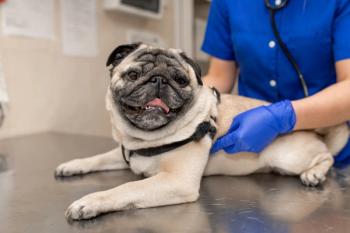
With complication risk rising as anesthetic time increases, Rebecca A. Johnson, DVM, PhD, DACVAA, outlined practical steps to reduce perianesthetic risk in brachycephalic patients through careful planning, airway management, and recovery protocols during a 2026 AVMA Convention session.
Ellen Behrend, VMD, PhD, MS, DACVIM (SAIM), explains which feline patients may benefit from SGLT2 inhibitors, outlines key contraindications, and discusses the evolving conversation around cats with ketones.
Anita Patel, DVM, senior director of clinical excellence at IndeVets, discusses the challenges of navigating organizational change, from aligning values and goals to supporting teams through periods of transition.
Dilara Kiran, DVM, MS, explains why policy engagement extends beyond federal government, highlighting opportunities for veterinary professionals to influence decisions within their practices, communities, and the broader profession, in this interview from the 2026 AVMA Convention.
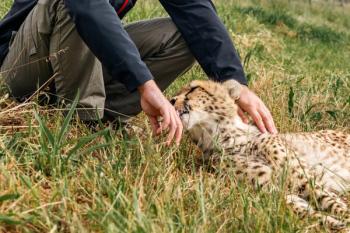
Disney's vice president of Animals, Science and Environment made the case that the best animal care happens with animals, not to them, and that no one achieves it alone.
Do feline diabetes diets need to change when a cat starts an SGLT2 inhibitor? Ellen Behrend, VMD, PhD, MS, DACVIM (SAIM), discusses what veterinarians should consider when balancing dietary recommendations, gastrointestinal adverse effects, and DKA concerns.