


Conference Coverage
about 16 hours ago
Tips for safer, more effective venipuncture and IV catheter placementabout 1 month ago
Inside veterinary social workTrending on dvm360
1
UK caps fees veterinarians can charge for written prescriptions
2
France reports first human case of livestock pathogen Shamonda virus
3
Counting down 2026’s top dvm360 articles #10-6
4
Clinical trial career options for veterinary technicians
5
Q&A: Understanding sensitivity and specificity in canine lymphoma liquid biopsy
Latest News







Advertisement
Shorts
0:49
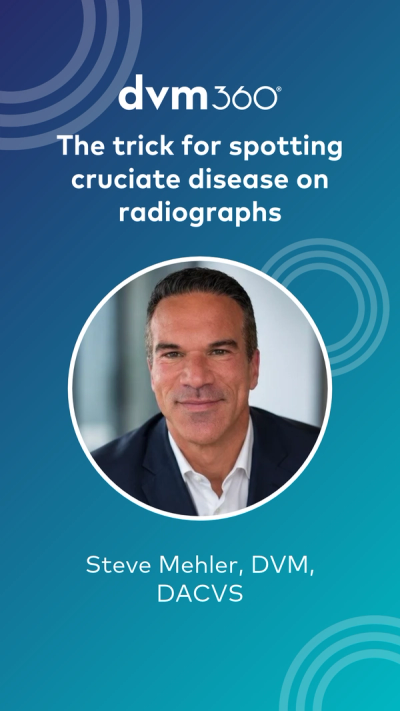
The trick for spotting cruciate disease on radiographs
16 hours ago
by
Steve Mehler, DVM, DACVS(+2 more)
3:26
Weekly Vet Report: Thousands of veterinary drugs recalled, FDA drug approval + more
4 days ago
by
Abi Bautista-Alejandre, Assistant Editor
0:45
Rethinking the meniscus as a gasket, not a pillow
6 days ago
by
Steve Mehler, DVM, DACVS(+2 more)
1:09
Find your path to veterinary medicine career satisfaction
6 days ago
by
Julia E. Miller, DVM, DACVD(+2 more)
1:05
Common phlebotomy mistakes to avoid
7 days ago
by
Alyssa Mages, BS, CVT, FVTE(+1 more)
1:47
DOJ sues raw pet food maker as Darwin’s challenges allegations + more news
11 days ago
by
Abi Bautista-Alejandre, Assistant Editor
0:49
Why veterinary job seekers should look beyond salary and assess workplace culture
12 days ago
by
Tripp Oliphant, DVM(+1 more)

1:11
Showing up as your best self starts with 3 simple questions
13 days ago
by
Bethany Weinheimer, DVM(+1 more)

1:07
Factoring cost and comfort into itch control options
13 days ago
by
Julia E. Miller, DVM, DACVD(+2 more)
1:38
The risks of taking a wait-and-see approach to heart murmurs
14 days ago
by
Tripp Oliphant, DVM(+1 more)








dvm360 Digital Edition
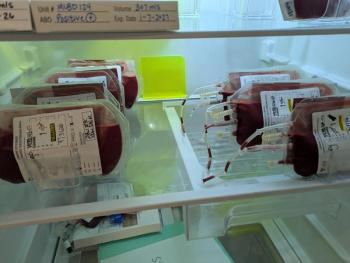
Starting your blood bank by building the foundation first
Big business has tilted the balance in the American veterinary industry, as resources and economies of scale turn corporate chains into powerful foes for hospitals set on remaining independent.

Scripts for confident client conversations
Pyometra is a common and serious illness in adult intact dogs and cats. Because a patient experiencing pyometra may deteriorate rapidly, this condition requires emergency intervention.
A technician’s approach to veterinary trauma

Continuing Education on-demand anytime, anywhere, plus some upcoming live opportunities.
We all get the same 24 hours, whether you are a new graduate drowning in student debt, a technician working a double, or Ariana Grande on tour.

SNAP-P is a proposed high-impact program that would provide at least $4.4 billion in benefits to low-income pet owners at marginal cost to federal and state governments.
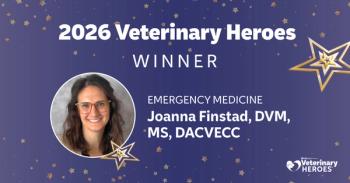
Joanna Finstad, DVM, MS, DACVECC, is dvm360's 2026 Veterinary Hero Emergency Medicine award recipient.
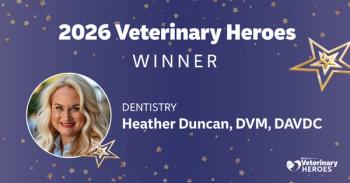
Heather Duncan, DVM, DAVDC, is dvm360's 2026 Veterinary Hero Dentistry Award recipient.
Continuing Education












Advertisement
All News
Advertisement
After more than 2 decades in clinical practice, a veterinary technician specialist shares how her hands-on experience with oncology studies led to a remote career monitoring veterinary clinical trials.

A nationwide recall of thousands of compounded veterinary medication listings, the first New World screwworm detection in US wildlife since the parasite’s return, and a new FDA-approved antibiotic formulation for certain skin infections in dogs.
New CATalyst Council data show cat visits growing for a third straight year. The bigger question for practices may be how many new kittens are still coming in as they age.
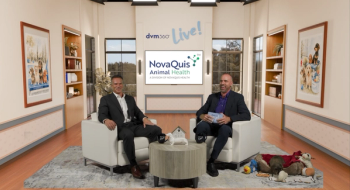
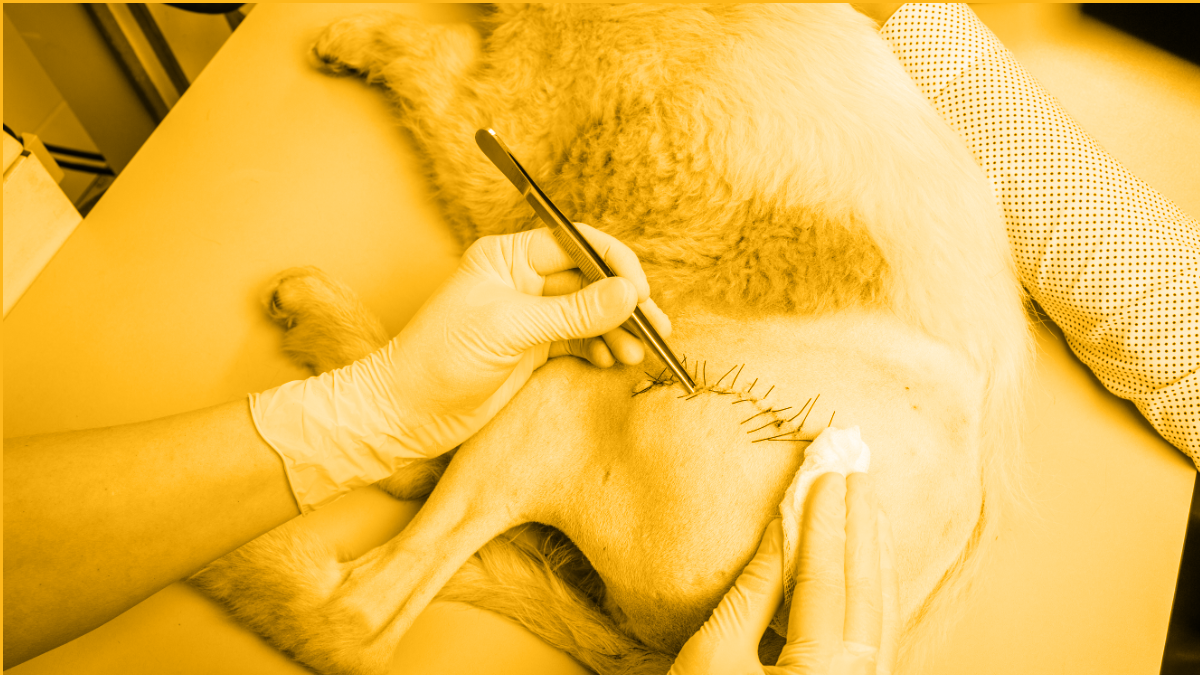
Steve Mehler, DVM, DACVS, shares his approach to open wound management and walks host Adam Christman, DVM, MBA through 3 memorable cases.

An elk harvested on a Texas game ranch marks the first wildlife case of the parasite in the US, prompting expanded surveillance and a call for hunters and wildlife professionals to report suspicious wounds.
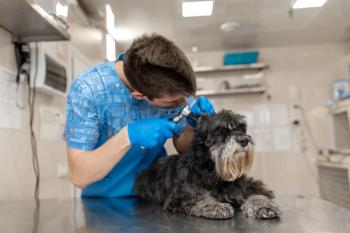
Technicians say they're ready to take on more clinical work. Pet owners say they're open to booking visits with them.

La medicina veterinaria suele medirse según el gold standard. Pero, como en el podio olímpico, la plata y el bronce también cuentan, sobre todo cuando el oro está fuera del alcance económico del cliente.

The same survey found that owners with the strongest bonds to their pets were more likely to visit the veterinarian regularly and keep up with vaccinations.

When December feels like a grind, a waterfront venue, 60-degree weather, and a top-tier education lineup may be just what your team needs to recharge.

Medications shipped nationwide from February through early October may contain too little or too much active drug. The company has reported 98 complaints to date—7 of them serious.
Advertisement

The decision clears the way for the first veterinary school at a public HBCU to begin recruiting and admitting its inaugural DVM class.
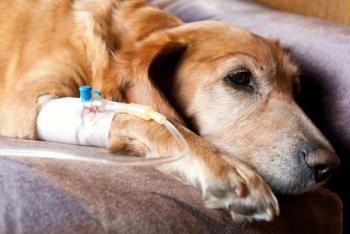
From catheter size and vessel selection to common placement mistakes, Alyssa Mages, BS, CVT, FVTE, shares practical guidance on venipuncture and IV catheter placement for veterinary technicians.
Steve Mehler, DVM, DACVS, discusses why cranial cruciate ligament disease is a chronic inflammatory condition and what that means for treatment.
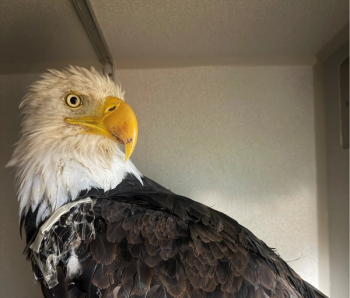
An atypical presentation of the virus led to internal bleeding, anemia, and sepsis in the famous bald eagle whose illness had puzzled her care team for weeks.

A new version of an injectable antibiotic, first approved in 2008, is approved only for dogs, as 2 of its inactive ingredients may be toxic to cats.
Steve Mehler, DVM, DACVS, joins Adam Christman, DVM, MBA, on dvm360 Live! to explain how ScafiGen works, how to apply it, and how it can support wound care at home.

A veterinary parasitologist explains how tracing larval routes, from skin penetration to nursing, helps clinicians interpret persistent infections, negative fecal results, and anemic puppies.
In the first episode of dvm360’s new podcast, Cliff’s Edge, Pamela D. Jones, DVM, DACVIM (Oncology), DACVR (Radiation Oncology), joins host Craig A. Clifford, DVM, MS, DACVIM (Oncology), to discuss where the IDEXX Cancer Dx test fits in canine lymphoma screening.
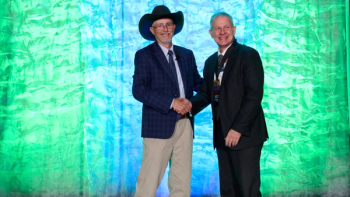
New leadership moves, recognition, and achievement.

Veterinary professionals may face physical strain from routine tasks such as floor exams, dental procedures, patient restraint, and lifting. Here are 6 common sources of ergonomic risk and strategies to help reduce the strain.
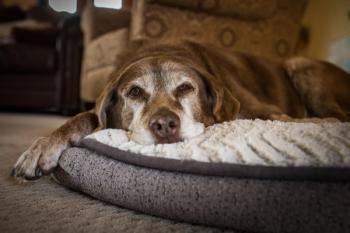
Well-supported technicians are central to every successful hospice program.

Feline care, ophthalmology, dental prevention, and burnout were among the standout topics from The Vet Blast Podcast and The Resilient Vet in 2026.
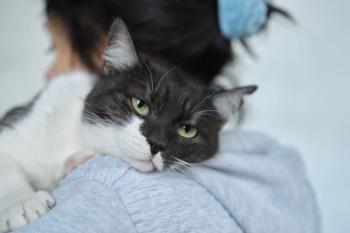
Purina and RedRover announced 6 new grant recipients. The program has now awarded nearly 70 grants and created more than 335,000 safe nights for survivors and their pets.

Lean-fed Labrador retrievers had a lower estimated biological age than heavier littermates by midlife. The lean-fed dogs also lived nearly 2 years longer.

Here are this week’s headlines.
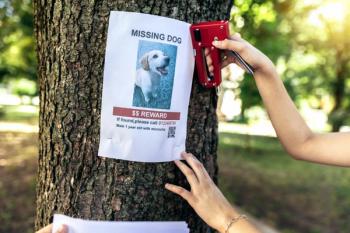
Most lost dogs make it back to their families. Research on how they get there, plus a satellite-connected tracker named to TIME’s Best Inventions of 2026, offers practical lessons for veterinary teams and their own pets.

Housing costs and surprise bills are squeezing pet owners, but in a recent survey, relatively few consumers said they would cut back on veterinary care.
Adam Christman, DVM, MBA, returns as host for season 3, featuring a roundup of recent veterinary news and an appearance by guest Steve Mehler, DVM, DACVS.
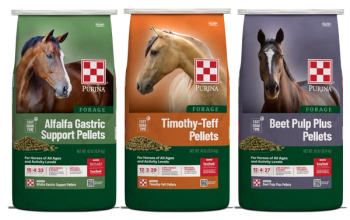
The line targets horses with limited pasture access, chewing difficulties, or specific starch and sugar needs, and can stand in for some or all hay depending on the formula.
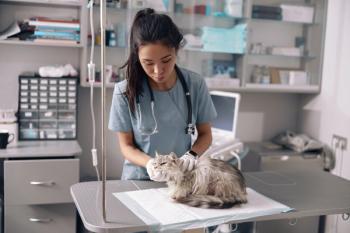
In a voluntary dvm360 survey of 146 veterinary professionals, nearly 3 in 4 reported moderate or severe burnout, with administrative burden, workload, and staffing shortages among the most frequently cited stressors. Written responses raised concerns about compensation, client behavior, and revenue-driven appointment quotas.
New guidelines from RECOVER are written for veterinary teams to teach owners, handlers, and other caregivers what to do in the minutes before a pet reaches the clinic.

A recently shared Pet Poison Helpline case traces how a wild mushroom eaten on a walk left a dog unable to stand within hours, and how the team treated it.
Ashlie Saffire, DVM, Diplomate ABVP (Feline), discusses diagnosing and monitoring feline hyperthyroidism and how Felanorm (methimazole) Oral Solution helps caregivers and clinicians manage the disease.
Advertisement
Advertisement