




Endocrinology
Latest News
Advertisement
Latest Videos




Shorts
3:00
Weekly Vet Report: Accreditation changes could affect veterinary education, new canine diabetes guidelines & more
2 months ago
by
Abi Bautista-Alejandre, Assistant Editor

0:47
Why SGLT2 inhibitors may cost less than insulin in the long run
3 months ago
by
Ellen N. Behrend, VMD, MS, PhD, DACVIM(+1 more)

0:38
SGLT2 inhibitors: Do cats need blood ketone monitoring?
3 months ago
by
Ellen N. Behrend, VMD, MS, PhD, DACVIM(+1 more)

1:30
How to classify feline diabetes
8 months ago
by
John Flanagan, PhD(+1 more)
3:10
The Weekly Vet Report: Chewy settles consumer lawsuit, and more
8 months ago
by
Abi Bautista-Alejandre, Assistant Editor

1:08
Can cats on an SGLT2 inhibitor go into remission?
a year ago
by
Abi Bautista-Alejandre, Assistant Editor(+1 more)
Podcasts


CE Content



























Advertisement
More News

The updated guidelines recommend SGLT2 inhibitors as first-line therapy for many cats with diabetes and detail patient selection, β-hydroxybutyrate monitoring, diet, and when to switch to insulin.

Results of a study on a GLP-1 therapy in development were presented during the 2026 ACVIM Forum.

The new guidelines are the American Animal Hospital Association’s first recommendations to focus on feline diabetes.
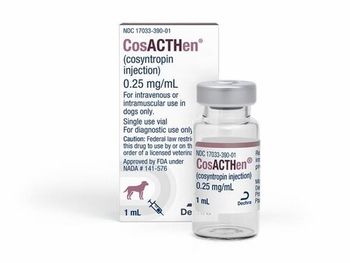
CosACTHen by Dechra is indicated for the evaluation of adrenal function in dogs.
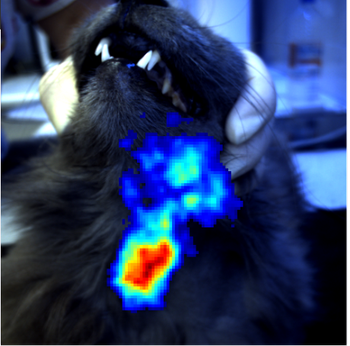
A portable gamma–optical camera brings point-of-care thyroid imaging into veterinary practice, with a new hybrid system used in Greece to evaluate cats with known or suspected hyperthyroidism.

After years of off-label use, veterinarians now have the first FDA-approved amlodipine formulation specifically indicated for cats with systemic hypertension.

A small prospective study suggests dapagliflozin is well tolerated in dogs with heart disease and may influence oxidative biomarkers, though a clear natriuretic effect was not observed.

A research study shows that bezafibrate safely reduces canine hypertriglyceridemia by approximately 85%, even in the presence of endocrine disease.

Clinicians present research and insights for improving outcomes for patients with diabetes through diet.
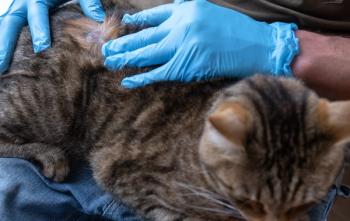
Christina Gentry, DVM, DACVD, discusses concurrent diseases and skin emergencies in a dvm360 interview.

John Flanagan, PhD, presented new research at WVC 2026 that shows that a purpose-formulated, low-digestible carbohydrate diet combined with structured caloric restriction substantially increases short-term diabetic remission in overweight, insulin-treated cats.

Based on a study, John Flanagan, PhD, explains how targeted caloric restriction produced high remission rates in overweight diabetic cats and shares clinic-ready strategies for weight reduction and glycemic control.
John Flanagan, PhD, discusses his team's study that shows that a high-protein, low-digestible carbohydrate diet combined with controlled weight loss may improve diabetic remission rates in overweight cats.

John Flanagan, PhD, presented new research at WVC 2026 that shows that a purpose-formulated, low-digestible carbohydrate diet combined with structured caloric restriction substantially increases short-term diabetic remission in overweight, insulin-treated cats.

These 11 recently-released products are featured in WVC's New Product Showcase.

Royal Canin unveils a new diet for cats with diabetes and home care kits at VMX 2026.

Zygolide by Dechra offers a generic, bioequivalent option for managing pituitary pars intermedia dysfunction in horses.

Virbac acquired an oral solution of methimazole, known as Felanorm in the US and Thyronorm outside the US. The drug is the first FDA-approved generic methimazole oral solution for hyperthyroidism in cats.

Catharine Scott-Moncrieff, Vet MB, MA, MS, DACVIM-SAIM, DECVIM-CA, explains when she prescribes insulin vs SGLT2 inhibitors, how to monitor for ketosis, and which factors most influence diabetic remission in cats.

Kidogo, a 13-year-old dachshund, underwent 20 rounds of radiation treatments.
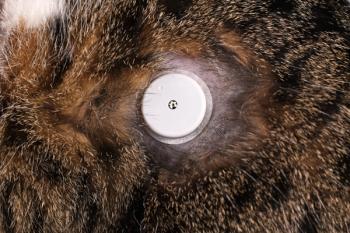
The developer of GluCurve Pet CGM anticipates a high demand for the product.

Discover the complexities of Addison's disease in dogs, including diagnosis, treatment options, and management strategies for hypoadrenocorticism.

Specific feeding instructions increase owner adherence and simplify diabetes management for dogs and cats.

A full nutrition assessment should direct therapeutic diet selection for dogs and cats with newly diagnosed diabetes.

Feline diabetes mellitus: Advancements in treatment and the role of the veterinary team
Published: | Updated:
Veterinary teams enhance feline diabetes management through personalized care, effective communication, and evolving treatment options for improved quality of life.
Advertisement
Advertisement
Trending on dvm360
1
USDA confirms first New World screwworm detection in US wildlife
2
Wedgewood recalls nearly 4000 compounded veterinary products over drug potency concerns
3
Kitten visits to veterinary practices hold steady as the puppy pipeline slows
4
Weekly Vet Report: Thousands of veterinary drugs recalled, FDA drug approval + more
5