











What veterinarians get wrong about laser therapy, and where it actually pays off.
What veterinarians get wrong about laser therapy, and where it actually pays off.
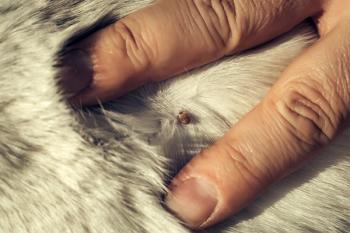
Suffolk County, New York, has logged 4 probable or confirmed human cases of tularemia this year. Here's what veterinary teams should know about the zoonotic disease, including its clinical signs, diagnosis, and treatment in animals.

Mission Pet Health’s position statement warns the VPA could compromise patient safety and add strain to supervising veterinarians, while doing little to solve rural access gaps.
Dilara Kiran, DVM, MS, shares practical ways veterinary professionals can begin engaging in policy, from the AVMA Congressional Advocacy Network to advocacy days and state veterinary medical associations.
Aaron Shaw, OTR/L, CHT, CSCS, and Jennifer Edwards, DVM, ACC, ELI-MP, examine the benefits of creatine for women in veterinary medicine, covering muscle preservation, bone health, dosing, and adverse effects through perimenopause and beyond in this latest episode of The Resilient Vet.

“Most careers are not built on moments of brilliance but on years of showing up while quietly suspecting you are underqualified,” writes Ignacio Mérida Isla, DVM, MBA, MRCVS, CertAVP. His reflection explores impostor syndrome, professional growth, and why uncertainty can be a sign of becoming a better veterinarian.

The 2026 recognition program honorees will be presented with their awards at the Fetch dvm360 conference in Kansas City, Missouri, later this month.
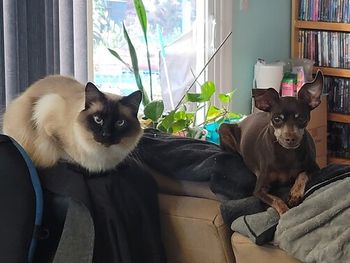
After accidentally receiving a dog's hydrocodone instead of thyroid medication, a geriatric cat made a full recovery with prompt veterinary care.
Robert Armentano, DVM, DACVIM (SAIM), breaks down the biggest myths general practitioners still hold about diagnosing, treating, and vaccinating against leptospirosis in this episode of The Vet Blast Podcast, presented by dvm360.
Dilara Kiran, DVM, MS, maps 2 ways vets shape policy: applying science to inform decisions, and crafting practice rules on issues ranging from vaccines to telemedicine.

Anita Patel, DVM, shares why the spectrum of care was one of her key takeaways from AVMA Convention sessions and discusses how veterinarians can use available tools and resources to provide care that considers both patient needs and client circumstances.
Kaitlyn Krebs, DVM, MBA, and Kirsten White, DVM, break down the latest vaccine changes for canine and feline patients in this interview with dvm360.
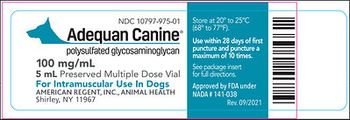
American Regent Animal Health has issued a nationwide recall of select Adequan canine and equine injections (polysulfated glycosaminoglycan) distributed to veterinary practices, pharmacies, and wholesalers across the US.

Updates about the veterinarian whose passion for wildlife conservation helped secure the supply of a vital antibiotic needed to treat koalas and is now involved with supporting other important wildlife research.
Julia E. Miller, DVM, DACVD, offers 3 tips for successful diet trials in pets in this installment of Pet Connections.

Contextualizing clinical decision-making by integrating pet parent and pet factor considerations.
Anita Patel, DVM, discusses why acknowledging uncertainty, welcoming feedback, and leading with vulnerability can help veterinary leaders build trust, strengthen accountability, and encourage team members to contribute new ideas.

Can dogs and cats get Cyclospora? And can they spread it to people? Plus, what may be the first mastoidectomy ever reported in a gorilla, and what a dog's gait could reveal about cognitive decline.

Here are this week's headlines
From the fear of diabetic ketoacidosis to the real cost of monitoring, Ellen Behrend, VMD, MS, PhD, DACVIM (SAIM), makes the case that SGLT2 inhibitors are safer and easier to use in cats with diabetes than many practitioners assume, and explains who the right candidate is.
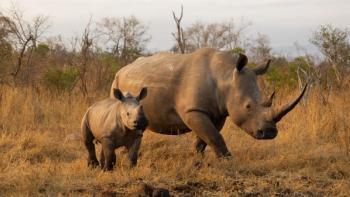
As medetomidine enters the street drug supply, wildlife medicine braces for the next regulatory casualty.
Dilara Kiran, DVM, MS, explains why policy engagement extends beyond the federal government and highlights New World screwworm as an example of why proactive regulations matter.
This episode of The Vet Blast Podcast presented by dvm360 dives into practical wound management for small animals and horses, from when to close vs leave open, to tackling chronic nonhealing wounds, dead space, degloving injuries, and more.

The latest updates relating to animal care establishments and platforms.
Dilara Kiran, DVM, MS, shares why veterinarians are uniquely positioned to contribute to policy, highlighting how everyday clinical decision-making translates to stakeholder engagement and advocacy.
Ori Stollar, MSc, DVM, DACVB, shares stress signs in dogs and cats, flags subtle pet stress cues, and explains safe, timely behavior referrals in this episode of The Vet Blast Podcast, presented by dvm360.

The combined company will serve more than 500,000 pets across the Northeast, Mid-Atlantic, and Midwest.
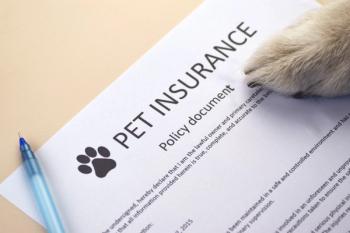
A new North American Pet Health Insurance Association report highlights a persistent insurance gap as veterinary costs rise, with common conditions such as gastrointestinal issues, ear infections, and skin disease driving many claims.
Anita Patel, DVM, explains why transparency, constructive feedback, and solution-oriented thinking can help veterinary teams influence organizational decisions and improve practice operations.

Urine cotinine testing showed a 26.7% exposure rate in a low-income Massachusetts community compared with 0% to 1% in nearby affluent towns.