


One Health
Latest News
Advertisement
Latest Videos
Podcasts

CE Content







Advertisement
More News
Although human rabies cases remain rare, reported exposures have gone up. A longtime public health microbiologist explains what's driving the increase and how veterinarians can help clients respond.

A new Penn Vet–led certificate will prepare graduate and professional students to collaborate across disciplines on health challenges affecting people, animals, and the environment.
Urine cotinine testing showed a 26.7% exposure rate in a low-income Massachusetts community compared with 0% to 1% in nearby affluent towns.
Experts recommend that veterinary teams reassess tick prevention as shifting ranges and emerging pathogens change exposure risks for animals and people.
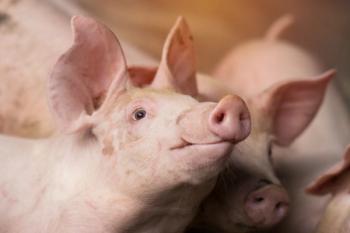
Fewer than 2 months after pseudorabies was detected in a US commercial swine herd for the first time in more than 20 years, federal and state officials have closed the Iowa case and formally restored the country's disease-free status.
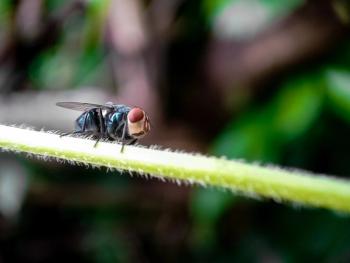
Christopher Lee, DVM, MPH, DACVPM, DACVM (Parasitology), on why the NWS detection in Texas signals something far bigger—and what clinicians need to do now. Plus: early warning signs, identification, lab submission, and risk to pets.
A public health investigation documented the transmission, but risk continues to remain low.
A first-of-its-kind FDA approval for canine behavioral conditions, a potential milestone in veterinary vaccine technology, and new research complicating the picture of how H5N1 moves through dairy farm environments.

Animal friendly housing policies may increase pet retention and support continuity of veterinary care for companion animals.
The earned certification expands on a partnership between Virbac and the Human-Animal Bond Research Institute.
A new analysis of archived milk samples suggests continuous exposure for nursing calves, underscoring how early-life contact with PFAS may shape health outcomes in developing animals.
Researchers have created the first large-scale genetic map of feline cancer, sequencing nearly 500 tumors across 13 cancer types and uncovering actionable mutations that could guide treatment in both cats and people.

The 6-week online class will be interactive with lecture material, live office hours, discussions, and problem sets that use different genetic databases.
A fatal highly pathogenic avian influenza infection in a domestic cat linked to wildlife and a separate backyard poultry detection point to ongoing spillover risks for animals sharing outdoor environments.
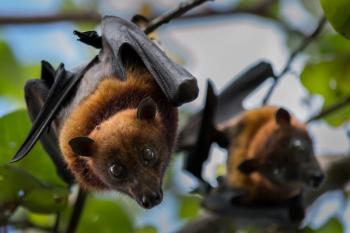
Two laboratory-confirmed Nipah virus infections in nurses in West Bengal prompted targeted public health action and regional travel screenings while the WHO assesses national and global risk as low.
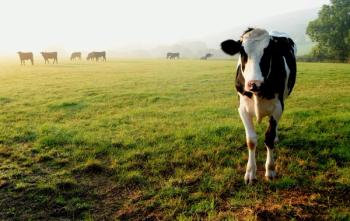
Earlier this year, the state experienced two H5N1 outbreaks in commercial poultry that affected more than 3 million birds.

The latest guidelines from the American Animal Hospital Association aim to bridge gaps between human and veterinary medicine.
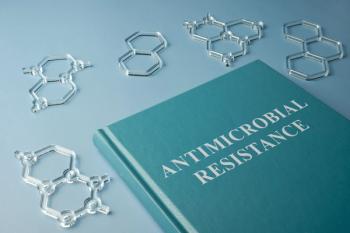
Responsible antibiotic use can help improve outcomes.

Besty BnB is a platform that helps secure temporary housing for animals, while owners are working through a crisis situation

Greater awareness of this risk and proper hygiene are crucial, Penn State researchers emphasize
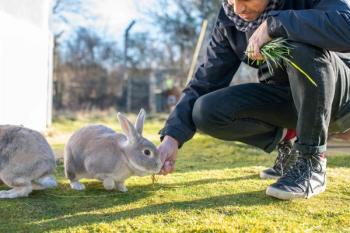
The Human Animal Bond Research Institute awarded the funds to a team of investigators in the United Kingdom

The tests show a promising milestone for researchers to an anthrax vaccine for deer to potentially stop the spread of disease
Advertisement
Advertisement
Trending on dvm360
1
USDA conditionally licenses Lyme disease vaccine developed for horses
2
63% of pet owners say their pet has eaten holiday food it shouldn’t have, survey finds
3
6 Thanksgiving safety tips for pets
4
Clinic Center: UC Davis launches translational brain tumor center linking veterinary and human medicine, Purina Pro Plan opens veterinary student wellness center at Utah State University, and more
5