

The donor-funded facility, set to open in fall 2027, is going up alongside a $50 million expansion of the veterinary college’s 1970s-era teaching hospitals.
The donor-funded facility, set to open in fall 2027, is going up alongside a $50 million expansion of the veterinary college’s 1970s-era teaching hospitals.
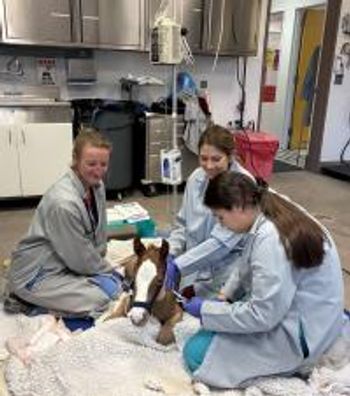
Born 3 weeks early, Banks needed plasma, oxygen, and round-the-clock monitoring before returning home to train for barrel racing.

A severely immunocompromised patient treated in Lyon died in early October. Investigators suspect the patient was bitten by an infected Culicoides midge in a region where the virus circulated in cattle this summer.
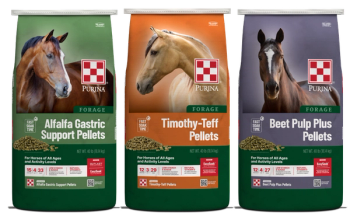
The line targets horses with limited pasture access, chewing difficulties, or specific starch and sugar needs, and can stand in for some or all hay depending on the formula.
FDA testing found 5 fungal species, including one known for antifungal resistance, in Neogen Vet HYCOAT, a product labeled as sterile.
The flesh-eating parasite was found in a horse in Presidio County, Texas, on September 9, while a fourth infected dog was reported in a different area of the state.
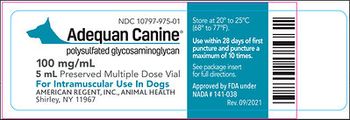
American Regent Animal Health has issued a nationwide recall of select Adequan canine and equine injections (polysulfated glycosaminoglycan) distributed to veterinary practices, pharmacies, and wholesalers across the US.
The prescription oral solution is authorized for short-term prevention in horses as New World screwworm cases in the US continue to rise.
A list of available treatments for screwworm infestations in cattle, horses, sheep, goats, deer, swine, cats, dogs, exotic, zoo, and wildlife species, as well as guidance for practitioners before using these products.
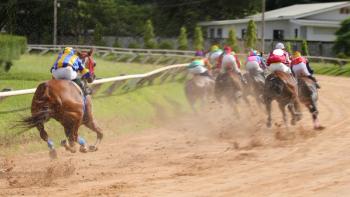
New findings from a yearlong AAEP research project reveal how real-time biometric data can help trainers and veterinarians predict racehorse injuries before they happen.
The product by Bimeda Animal Health is a proton pump inhibitor.
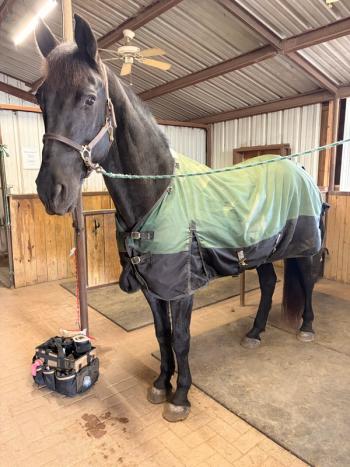
The patient had no kidney-related symptoms, and his blood work was normal, making the discovery of the papillary renal carcinoma an “unusual” one, Texas A&M said.
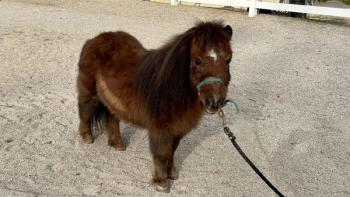
Emergency surgery revealed 3 hair-based intestinal masses. One was invisible on imaging.

Previously scheduled to go into effect February 1, 2026, the courts have vacated several provisions.
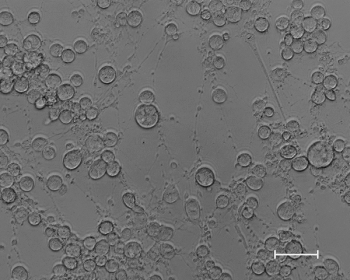
Louisiana State University investigators were awarded a grant to explore the detection of the virus during the latent period.
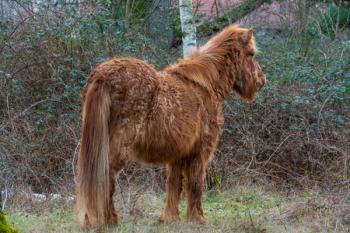
Zygolide by Dechra offers a generic, bioequivalent option for managing pituitary pars intermedia dysfunction in horses.
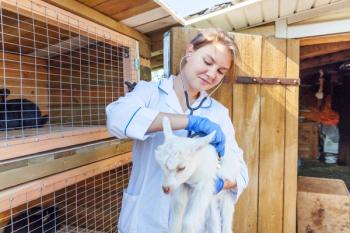
The program, planned for 2026, aims to train educators in food animal medicine and encourage more students to enter rural practice.
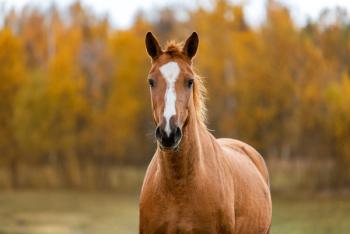
Mytulin EQ supports immune health, cellular support, and performance recovery for horses.
Inertial measurement unit sensors with machine‑learned risk scoring can flag a tiny group of Thoroughbreds at much higher risk of fatal musculoskeletal injury, enabling targeted clinical evaluation.
Conducting late-gestation ultrasounds on pregnant mares can spot foal malpresentation and placentitis, UC Davis specialists say.
Jamie Kopper, DVM, PhD, DACVIM (LAIM), DACVECC (LA), discussed common causes of colitis in adult horses in a CE session at Fetch Kansas City.
The latest updates relating to animal care establishments and platforms.
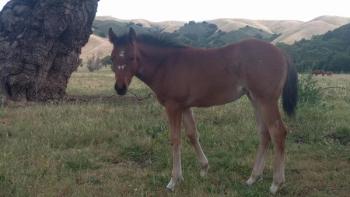
The filly was 5 days old when she was found with a bloody jaw hanging out of place
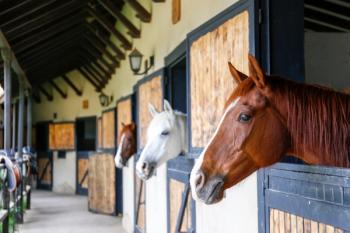
APHIS postponed the effective date of the act regulations into early 2026
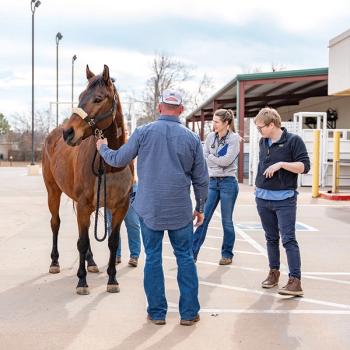
Zeke the horse was brought to Oklahoma State University Veterinary Medical Teaching Hospital where he presented with a small bump in his chest

A pregnant draft mare was found to have her jejunum and duodenum distended and filled with fluid and displayed signs of endotoxemia post-surgery

Researchers at the school shared this milestone can help provide valuable opportunities to study fertilization, embryo development, and more

The Vetlen Pouch can be placed in infected wound sites and can continuously deliver medication for up to 30 days

The program will invite qualified undergraduate students with an interest in horse health to join the college's DVM program from statewide university partners

Daniel J. Burba, DVM, DACVS, outlines his typical approach to equine foot injuries