


Tripp Oliphant, DVM, on what veterinary school prepares graduates for, why he will not monitor a heart murmur, and what he wishes students entering emergency and critical care understood earlier.

Tripp Oliphant, DVM, on what veterinary school prepares graduates for, why he will not monitor a heart murmur, and what he wishes students entering emergency and critical care understood earlier.

The partnerships that last are built on honest conversations about money, contributions, and exits—before the paperwork is signed

Ellen Behrend, VMD, PhD, MS, DACVIM (SAIM), shares why she believes SGLT2 inhibitors could help more cats with diabetes receive treatment and discusses their potential role in managing complex cases, including cats with acromegaly.

Two more students are set to receive up to $140,000 each.

A Cocker Spaniel puppy made a full recovery after ingesting his owner's minoxidil tablets.

New leadership moves, recognition, and achievement.

Professional transitions are inevitable, and the key is understanding how to mitigate risk when navigating these transitions.

Boundaries, barbecues, and being a veterinarian in public

With complication risk rising as anesthetic time increases, Rebecca A. Johnson, DVM, PhD, DACVAA, outlined practical steps to reduce peri-anesthetic risk in brachycephalic patients through careful planning, airway management, and recovery protocols, during a 2026 AVMA Convention session.

Tripp Oliphant, DVM, discusses how an inclusive hospital culture affected his early career as a veterinarian and why creating an environment where team members feel accepted can support professional development.

Ellen Behrend, VMD, PhD, MS, DACVIM (SAIM), explains which feline patients may benefit from SGLT2 inhibitors, outlines key contraindications, and discusses the evolving conversation around cats with ketones.

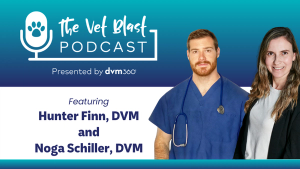
Marty Goldstein, DVM, shares his journey into integrative veterinary medicine and discusses the role of biologically appropriate nutrition in this episode of The Vet Blast Podcast presented by dvm360.

The prescription oral solution is authorized for short-term prevention in horses as New World screwworm cases in the US continue to rise.

The case, believed to be the first of its kind reported in a gorilla, drew on techniques adapted from human ear and skull base surgery.

The 3-diet portfolio comes as interest in fresh food continues to grow among pet owners.

Cyclospora cayetanensis is all over the headlines amid a 2026 national surge and a Midwest outbreak. So should veterinary teams be worried about dogs and cats as carriers, reservoirs, or patients?

A study of 87 free-roaming cats trapped through a New York City TNR program found more than half infected with at least 1 endoparasite—and identified juvenile males as high-intensity "super-shedders" of roundworm eggs.

Did you know that dvm360 is launching a new podcast?

A dvm360 interview with Christina M. Gentry, DVM, DACVD, and Lori Teller, DVM, DABVP, about their new research surveying veterinarians about canine atopic dermatitis.

Explore why a veterinary ophthalmologist prioritizes targeted corneal ulcer care, from smart sampling and antibiotics to NSAIDs, photos, and timely rechecks.

Pharmacists can help protect dogs from UV-related skin damage and skin cancers by educating pet owners on safe sunscreen selection, the importance of avoiding toxic human sunscreen ingredients, and effective sun protection alternatives.

Clients who question vaccines are usually worried about their pet’s health and safety and are not trying to be difficult.

Anita Patel, DVM, senior director of clinical excellence at IndeVets, discusses the challenges of navigating organizational change, from aligning values and goals to supporting teams through periods of transition.

Dilara Kiran, DVM, MS, explains why policy engagement extends beyond federal government, highlighting opportunities for veterinary professionals to influence decisions within their practices, communities, and the broader profession, in this interview from the 2026 AVMA Convention.

Disney's vice president of Animals, Science and Environment made the case that the best animal care happens with animals, not to them, and that no one achieves it alone.

Do feline diabetes diets need to change when a cat starts an SGLT2 inhibitor? Ellen Behrend, VMD, PhD, MS, DACVIM (SAIM), discusses what veterinarians should consider when balancing dietary recommendations, gastrointestinal adverse effects, and DKA concerns.

Concerns about diabetic ketoacidosis, ketone monitoring, and cost may prevent some veterinarians from considering SGLT2 for cats with diabetes. Ellen Behrend, VMD, PhD, MS, DACVIM (SAIM), discusses what monitoring is needed and how reduced monitoring requirements may help make these medications more affordable for owners.

At the 2026 AVMA Convention, Will P. Rausch, DVM, DACVIM (Cardiology), discussed where NT-proBNP fits in feline cardiomyopathy screening and why the test should be used as part of a broader diagnostic approach.

Here are this week's headlines

The AVMA Council on Education has granted full accreditation to Arizona's first and only public veterinary college, which has graduated more than 300 veterinarians since 2023