







Caitlyn Getty, DVM, PhD, DACVIM (Nutrition), outlines how extended, flexible transitions help pets accept prescription renal diets, preventing negative effects of inappropriate over-the-counter foods.
Caitlyn Getty, DVM, PhD, DACVIM (Nutrition), outlines how extended, flexible transitions help pets accept prescription renal diets, preventing negative effects of inappropriate over-the-counter foods.
Cognitive dysfunction in dogs and cats becomes more common with age and often mimics other conditions, according to a Texas A&M veterinary neurologist, who says a detailed history is key to diagnosis.

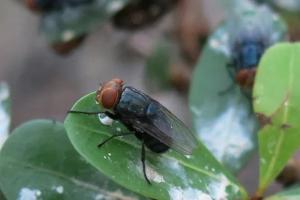
From proposed changes to higher education accreditation to the FDA’s authorization of Capstar and generic nitenpyram to prevent and treat New World screwworm in pets, here are 3 veterinary news stories to know this week.
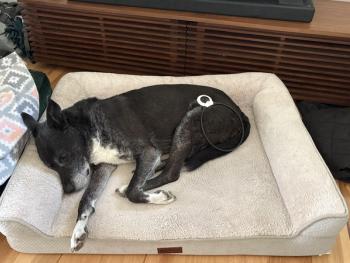
From prescribed movement to subanesthetic ketamine, these 5 tools help hospice and palliative care practitioners keep patients comfortable through life's final chapter.
Caitlyn Getty, DVM, PhD, DACVIM (Nutrition), explains how veterinarians can use combination renal diets and nutrient profiling to match food choices to complex patient needs.
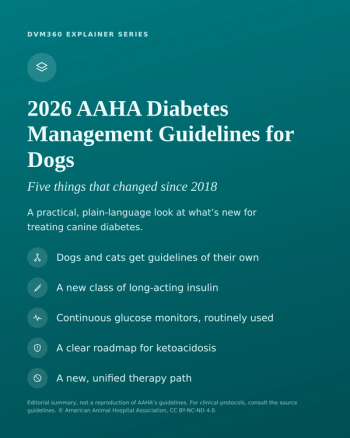
The AAHA released 2026 diabetes management guidelines for dogs, its first stand-alone canine edition, changing insulin options, monitoring, and treatment approaches.
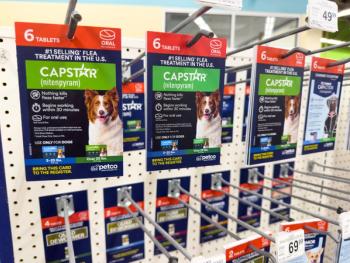
The emergency use authorizations mark the first FDA-authorized prevention option for New World screwworm in dogs and cats.

The new USDA resources provide guidance on identifying and reporting suspected New World screwworm for hunters and wildlife professionals, while wildlife surveillance by federal and state officials remains an ongoing challenge.

A Texas A&M–led analysis of more than 50,000 dogs found that 5 or more chronic conditions more than doubled mortality risk in a given year, regardless of a dog's age or size.
Five quick nutrition strategies for veterinary professionals looking to support strength, energy, and long-term physical durability.
Kelly Mann, DVM, MS, MSS, DACVR, highlights canine freeze-dried plasma as one piece of the puzzle in developing better veterinary blood products.

The action lifts NWS-related movement requirements in parts of 5 Texas counties, marking the first infested-zone releases in the state since the pest's June 3 detection in a Zavala County calf.

AAHA's newly released guidelines for diabetes management in dogs cover diagnosis, treatment, monitoring, and dietary management, incorporating advances in continuous glucose monitoring and long-acting insulins.
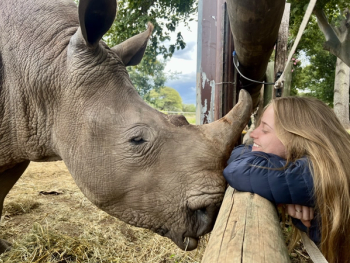
Updates about the Australian veterinarian who helped set up the veterinary and conservation training initiative Rhino Connect, plus H5N1 in Australia.
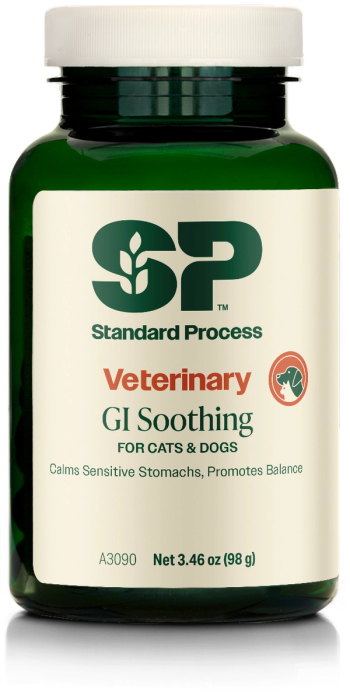
The supplement combines Saccharomyces boulardii with postbiotic metabolites and botanicals, as other probiotic products enter the companion-animal market.
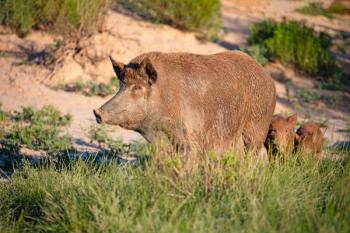
Texas A&M researchers mapped the range of a native soft tick with a documented history of vector competence for African swine fever.
Caitlyn Getty, DVM, PhD, DACVIM (Nutrition), describes prebiotics, probiotics, and postbiotics, emphasizing how fermentable fibers become short-chain fatty acids that nourish colon cells and reduce inflammation.

The Keep Moving Activation ties in-app walking milestones to discount codes for Virbac's URSOLYX and MOVOFLEX chews.
Natalie Marks, DVM, CVJ, CCFP, Elite FFCP-V, unpacks what drives vaccine hesitancy, what the evidence says about safety, and how veterinarians can rebuild the conversation from the reminder postcard to the exam room in this episode of The Vet Blast Podcast, presented by dvm360.
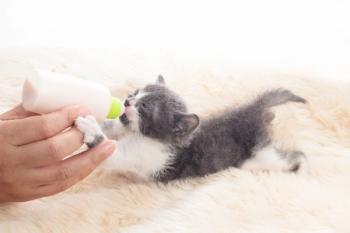
Revival Animal Health is recalling its Breeder’s Edge and Shelter’s Choice feline milk replacers after testing found low levels of essential nutrients, months after the company recalled its canine milk replacers over variable vitamin D levels.
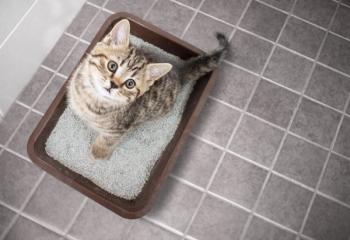
A retrospective study of 136 cats found differences in urination and waste-covering behavior between cats with and without chronic kidney disease, suggesting that in-home monitoring could complement veterinary evaluation.
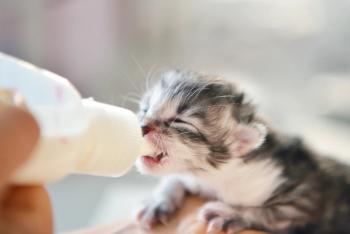
Three new recalls affect a lactated Ringer's injection, 2 wet dog food products, and several feline milk replacers over concerns including contamination and inconsistent nutrient levels.

Richard Goldstein, DVM, DACVIM (SAIM), DECVIM-CA, global chief medical officer at Zoetis, discusses what the pharmacovigilance data show, why the company brought in independent experts to review it, and how veterinarians should talk with pet owners about the benefits and risks associated with Librela.
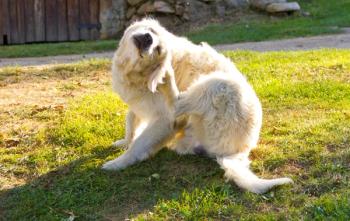
At the Fetch dvm360 conference in Kansas City, Missouri, Julia Miller, DVM, DACVD, walked attendees step by step through the cytology, cleaning, and inflammation management that decides whether a frustrating ear case finally resolves.
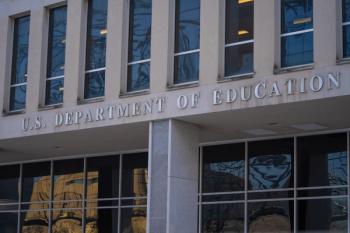
The proposed rule would impose new independence requirements on the AVMA Council on Education and establish standards for student outcomes, academic freedom, and program length.
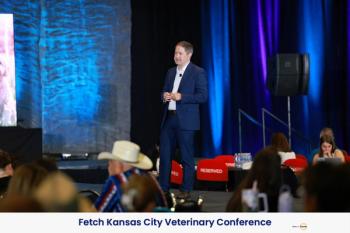
Brian A. Scansen, DVM, MS, DACVIM (Cardiology), traced degenerative mitral valve disease from the at-risk patient to refractory failure and outlined the radiographic thresholds that determine who starts therapy.
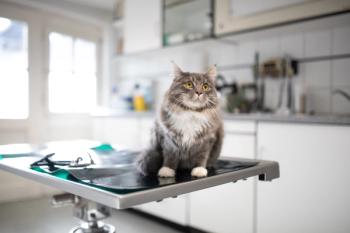
According to researchers at Hebrew University, iron and bromine were detected in feline corneal sequestra, offering a new clue to what may drive the condition.
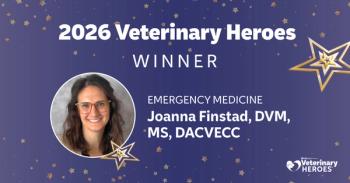
Joanna Finstad, DVM, MS, DACVECC, is dvm360's 2026 Veterinary Hero Emergency Medicine award recipient.
Caitlyn Getty, DVM, PhD, DACVIM (Nutrition), explains how the GI microbiome functions in dogs and cats, influencing health outcomes and guiding nutrition-focused care.
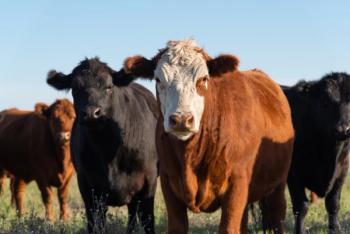
The authorization allows cattle producers to use the generic ivermectin injection without a prescription to help prevent potentially fatal New World screwworm infestations.