




Feline Medicine
Latest News
Advertisement
Latest Videos

Shorts

1:38
The risks of taking a wait-and-see approach to heart murmurs
12 days ago
by
Tripp Oliphant, DVM(+1 more)
0:44
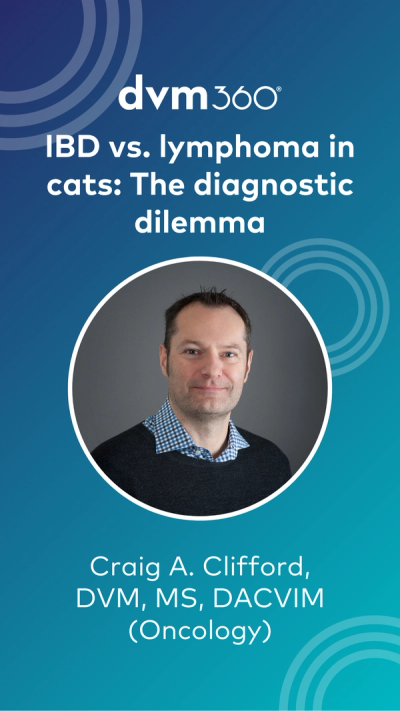
IBD vs. lymphoma in cats: The diagnostic dilemma
18 days ago
by
Craig A. Clifford DVM, MS, DACVIM (Oncology)(+1 more)
3:00
More recalls hit animal health: IV fluids, pâté dog food, and feline milk replacers
2 months ago
by
Abi Bautista-Alejandre, Assistant Editor
3:00
Did you miss the 2026 AVMA Convention? Here are 3 clinical updates worth knowing
3 months ago
by
Abi Bautista-Alejandre, Assistant Editor
0:33
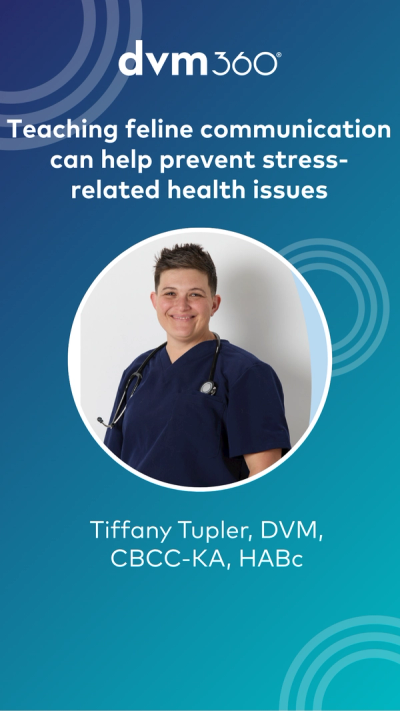
Teaching feline communication can help prevent stress-related health issues
3 months ago
by
Tiffany Tupler, DVM, CBCC-KA, HABc(+1 more)

0:47
Why SGLT2 inhibitors may cost less than insulin in the long run
3 months ago
by
Ellen N. Behrend, VMD, MS, PhD, DACVIM(+1 more)

0:38
SGLT2 inhibitors: Do cats need blood ketone monitoring?
3 months ago
by
Ellen N. Behrend, VMD, MS, PhD, DACVIM(+1 more)
0:46
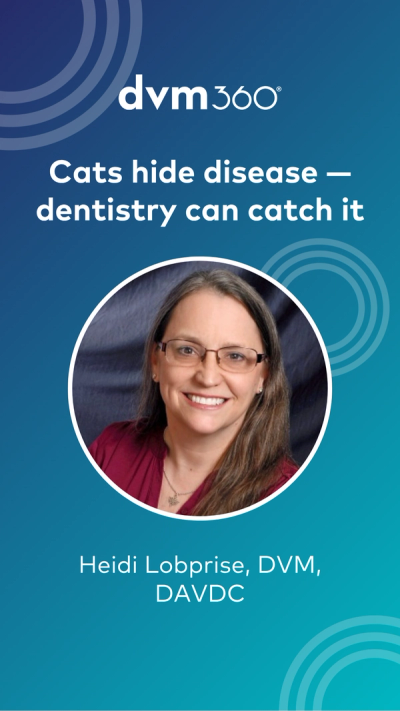
Cats hide disease — dentistry can catch it
4 months ago
by
Heidi Lobprise, DVM, DAVDC
2:20
Weekly Vet Report: FIP's shorter treatment window, lone star ticks driving red-meat allergies & more
4 months ago
by
Abi Bautista-Alejandre, Assistant Editor

4:00
Weekly Vet Report: Cat-to-human bird flu transmission, a new injectable for itchy dogs, and a major raw pet food recall
5 months ago
by
Abi Bautista-Alejandre, Assistant Editor
Podcasts



CE Content














Advertisement
More News
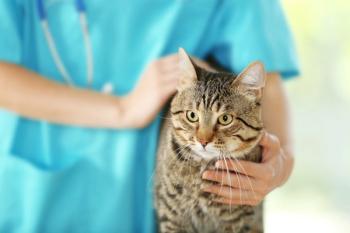
A new online hub offers quick tips, client handouts, and practical guides to help veterinary teams both make clinic visits easier on cats and get more in for routine care.

In a session at the 2026 Fetch National Harbor Veterinary Conference, Nathanael Oster, VMD, MBA, walked attendees through the biology, diagnosis, and treatment of the flea tapeworm in dogs and cats, including why cats are affected more often than dogs.

A plethora of continuing-education sessions run across 3 days, September 17–19, at the Gaylord National Resort in National Harbor, MD. Here are the ones to circle first, sorted by practice area, plus a handful that are easy to scroll past and worth catching.
Christopher Lee, DVM, MPH, DACVPM, DACVM (Parasitology), discusses the clinical significance of Toxoplasma gondii, when veterinary professionals should consider testing, and how to communicate the risks of exposure to clients.

The update covers diagnosis, slowing progression, managing complications, and supporting caregivers of cats with chronic kidney disease.

Revival Animal Health is recalling its Breeder’s Edge and Shelter’s Choice feline milk replacers after testing found low levels of essential nutrients, months after the company recalled its canine milk replacers over variable vitamin D levels.
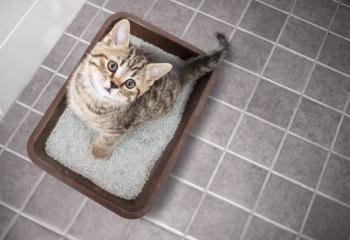
A retrospective study of 136 cats found differences in urination and waste-covering behavior between cats with and without chronic kidney disease, suggesting that in-home monitoring could complement veterinary evaluation.
According to researchers at Hebrew University, iron and bromine were detected in feline corneal sequestra, offering a new clue to what may drive the condition.
This slideshow breaks down what makes feline otitis externa a distinct diagnosis, walking through the anatomy, the polyps that can hide a secondary infection, and the treatment considerations that set it apart from canine ears, with insight from Sonja Zabel, DVM, DACVD.
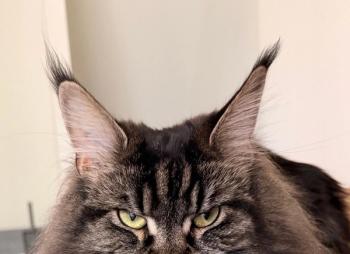
From inflammatory polyps and secondary infections to the off-label hesitation that keeps clinicians from treating, Sonja Zabel, DVM, DACVD, of Peak to Coast Veterinary Specialists in Portland, Oregon, walks through her approach to otitis in cats—and the anatomy and species quirks that set them apart from dogs.

After months of unexplained illness, Spot the kitten was diagnosed with a portosystemic shunt and underwent successful surgery at Washington State University's Veterinary Teaching Hospital.
What veterinarians get wrong about laser therapy, and where it actually pays off.
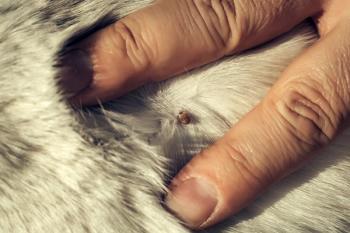
Suffolk County, New York, has logged 4 probable or confirmed human cases of tularemia this year. Here's what veterinary teams should know about the zoonotic disease, including its clinical signs, diagnosis, and treatment in animals.
After accidentally receiving a dog's hydrocodone instead of thyroid medication, a geriatric cat made a full recovery with prompt veterinary care.
From the fear of diabetic ketoacidosis to the real cost of monitoring, Ellen Behrend, VMD, MS, PhD, DACVIM (SAIM), makes the case that SGLT2 inhibitors are safer and easier to use in cats with diabetes than many practitioners assume, and explains who the right candidate is.

At the 2026 AVMA Convention, Will P. Rausch, DVM, DACVIM (Cardiology), discussed where NT-proBNP fits in feline cardiomyopathy screening and why the test should be used as part of a broader diagnostic approach.
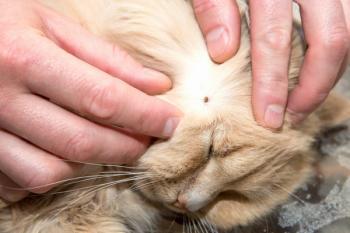
A fatal feline case near Oklahoma City spotlights cytauxzoonosis, a fast-moving, often-lethal tick-borne disease with a narrow treatment window.

Texas A&M researchers detected Rickettsia typhi and Bartonella species in fleas pulled from domestic cats in the Rio Grande Valley, reinforcing the case for year-round parasite control.
As clients’ desire for feline veterinary hospice care grows, be ready to discuss end-of-life care recommendations that best suit the cat’s and family’s needs and resources.
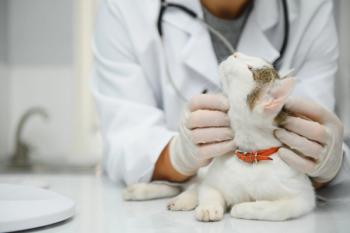
Mark J. Acierno, DVM, MBA, DACVIM (SAIM), discusses treatment strategies for CKD-associated anemia, appetite support, and how FGF-23 testing can help guide phosphorus restriction in cats.

The updated guidelines recommend SGLT2 inhibitors as first-line therapy for many cats with diabetes and detail patient selection, β-hydroxybutyrate monitoring, diet, and when to switch to insulin.
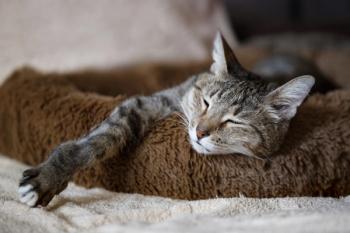
As companion cats continue to benefit from veterinary medical progress in disease management and live well into their “ninth life” stage, cat caretakers’ desire for veterinary hospice care may intensify.
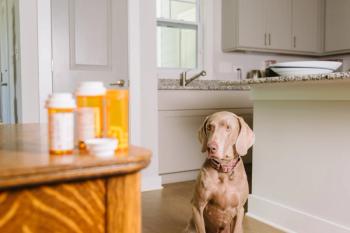
Generic Nitenpyram Tablets become the first generic animal drug authorized under an FDA Emergency Use Authorization to treat New World screwworm myiasis in eligible dogs, cats, puppies, and kittens.
A list of available treatments for screwworm infestations in cattle, horses, sheep, goats, deer, swine, cats, dogs, exotic, zoo, and wildlife species, as well as guidance for practitioners before using these products.
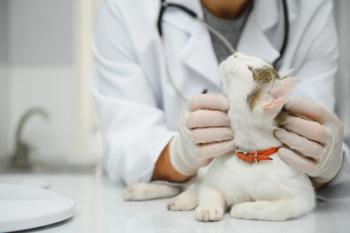
The new guidelines are the American Animal Hospital Association’s first recommendations to focus on feline diabetes.
Advertisement
Advertisement
Trending on dvm360
1
Kitten visits to veterinary practices hold steady as the puppy pipeline slows
2
Wedgewood recalls nearly 4000 compounded veterinary products over drug potency concerns
3
Weekly Vet Report: Thousands of veterinary drugs recalled, FDA drug approval + more
4
USDA confirms first New World screwworm detection in US wildlife
5