


Fifteen second-year veterinary students will each receive $20,000, along with mentorship and leadership training that continues after graduation.
Fifteen second-year veterinary students will each receive $20,000, along with mentorship and leadership training that continues after graduation.
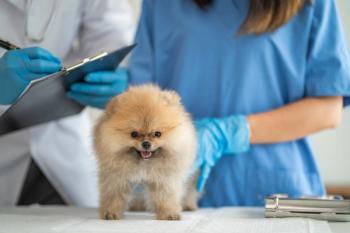
Alyssa Mages, BS, CVT, FVTE, shares guidance on assessing emergency patients, communicating with distressed clients, and establishing a team-based triage process.

The latest products and innovative technology in veterinary medicine.
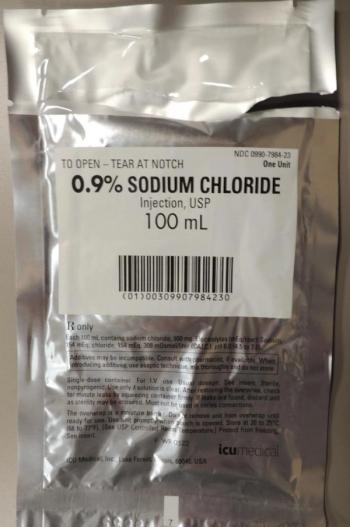
One lot of 0.9% sodium chloride injection may contain bags of concentrated potassium chloride, a mix-up the manufacturer says could cause serious or fatal adverse events.
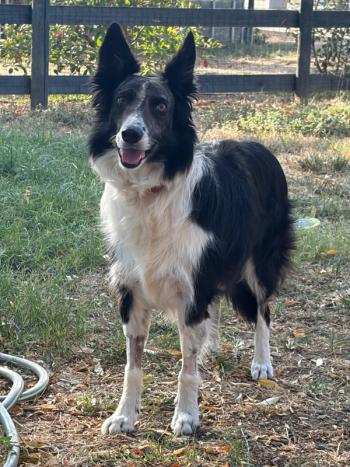
UC Davis veterinarians used 3 titanium miniplates and 16 screws to repair fractures of the skull, orbit, and midface in a 5-year-old dog named Tessa.

FDA testing found 5 fungal species, including one known for antifungal resistance, in Neogen Vet HYCOAT, a product labeled as sterile.
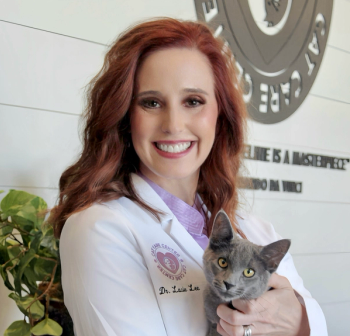
New leadership moves, recognition, and achievement.
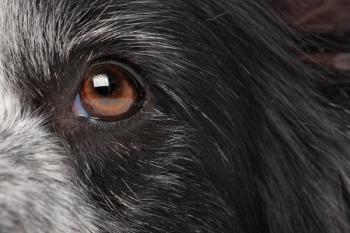
The British Association of Veterinary Ophthalmologists says more than 200 cases of sudden bilateral keratoconjunctivitis sicca have been reported, including dogs that did not eat the company’s food, and is urging veterinarians to report cases as the investigation continues.

Despite growth in enrollment, fewer than 5% of US dogs and cats are insured, while rising veterinary costs are increasingly affecting treatment decisions and access to recommended care.

The latest updates relating to animal care establishments and platforms.

Verdinexor tablets are now available for dogs with lymphoma after receiving full FDA approval earlier this year, offering an at-home treatment option given twice weekly and showing a longer time to disease progression than the control in a field study.
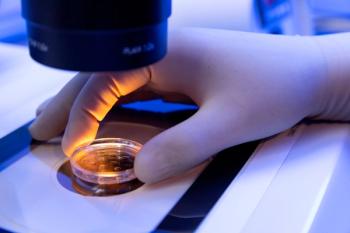
Preclinical testing at The Ohio State University found Telomir-Zn inhibited the growth of canine and human osteosarcoma cell lines, prompting the company to explore a possible in vivo study in dogs with naturally occurring tumors.

Caroline Cox, LSW, MSW, and Erika Krick, VMD, DACVIM (Oncology), discuss the role of veterinary social workers in supporting clients, communicating with veterinary teams, and helping practices address the human side of veterinary care in this Q&A from an interview at the 2026 Fetch National Harbor Veterinary Conference.
New leadership moves, recognition, and achievement.
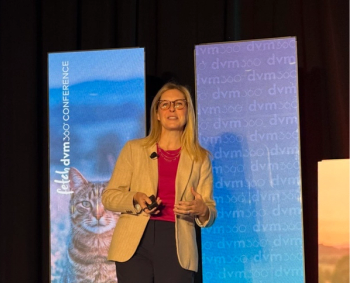
In a keynote address at the 2026 Fetch National Harbor Veterinary Conference, Jessica Pritchard, VMD, MS, DACVIM (SAIM), shared research showing that many owners decline vaccines because they do not think their pet needs them, and discussed ways veterinary teams can address those concerns.

Alyssa Mages, BS, CVT, FVTE, outlines key considerations for veterinary technicians during triage, from rapid patient assessment and prioritization to client communication and team coordination, in this interview from the 2026 Fetch National Harbor Veterinary Conference.

In a session at the 2026 Fetch National Harbor Veterinary Conference, Nathanael Oster, VMD, MBA, walked attendees through the biology, diagnosis, and treatment of the flea tapeworm in dogs and cats, including why cats are affected more often than dogs.
In a slideshow drawn from an on-site dvm360 interview at the 2026 Fetch National Harbor Veterinary Conference, a veterinary oncologist and a veterinary social worker walk through how the role supports owners and staff across a pet's cancer diagnosis, treatment, and end-of-life care.

A plethora of continuing-education sessions run across 3 days, September 17–19, at the Gaylord National Resort in National Harbor, MD. Here are the ones to circle first, sorted by practice area, plus a handful that are easy to scroll past and worth catching.

A candid conversation on why difficult client interactions can linger, how repeatedly pushing aside the emotional impact can affect future interactions, and how intentional debriefing can help veterinary professionals process those experiences in a healthier way.

Valli Parthasarathy, DVM, PhD, DACVB, breaks down the "3 Ms"—management, modification, and medication—for treating behavior problems in parrots, and explains why sparse species-level drug research makes the first 2 her starting point for these birds.

The flesh-eating parasite was found in a horse in Presidio County, Texas, on September 9, while a fourth infected dog was reported in a different area of the state.
Valli Parthasarathy, DVM, PhD, DACVB, discusses how veterinarians can evaluate feather loss, self-mutilation, and vocalization in pet parrots and identify when medical and behavioral factors may overlap.

New leadership moves, recognitions, and achievements.
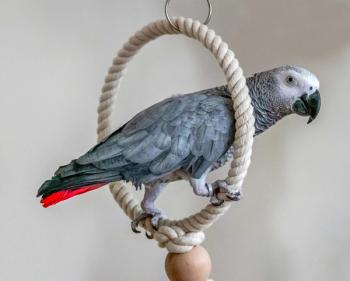
Valli Parthasarathy, DVM, PhD, DACVB, discusses how veterinarians can recognize and manage common behavior problems in pet parrots, from excessive vocalization to feather-destructive behavior. She also offers guidance on treatment, behavior modification, referral, and meeting the behavioral needs of these intelligent birds.

The studies are examining an experimental treatment approach and the molecular features and progression of canine brain tumors.
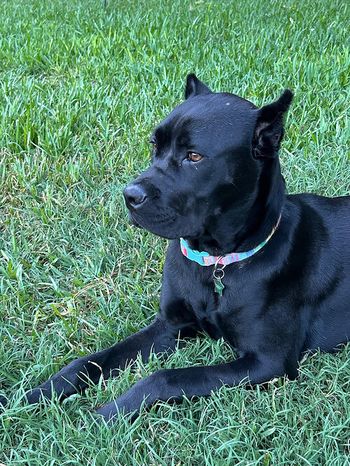
A single 220-mg tablet of naproxen can cause serious GI and kidney injury in dogs and cats, veterinary toxicologists warn.
In the latest Resilient Vet podcast episode, Aaron Shaw, OTR/L, CHT, CSCS, lays out 5 practical protein habits built for long shifts and a durable career. This slideshow walks through all 5.
New leadership moves, recognition, and achievement.

From proposed changes to higher education accreditation to the FDA’s authorization of Capstar and generic nitenpyram to prevent and treat New World screwworm in pets, here are 3 veterinary news stories to know this week.
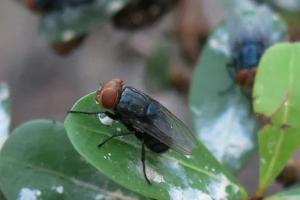
Published: June 4th 2026 | Updated: June 11th 2026
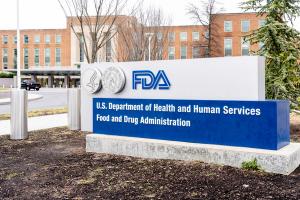
Published: May 12th 2026 | Updated: May 20th 2026
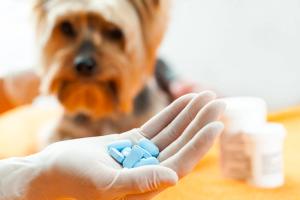
Published: November 21st 2025 | Updated: January 7th 2026

Published: October 30th 2025 | Updated: November 5th 2025
Published: October 17th 2025 | Updated: October 22nd 2025

Published: April 17th 2025 | Updated: May 13th 2025