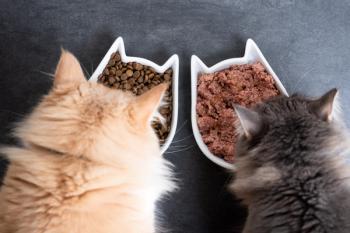
A new analysis detected heavy metals, glyphosate, and plastic-related chemicals in nearly all of the cat foods tested. This slideshow breaks down the findings, what they may mean for cats, and what remains unclear.
This slideshow breaks down what makes feline otitis externa a distinct diagnosis, walking through the anatomy, the polyps that can hide a secondary infection, and the treatment considerations that set it apart from canine ears, with insight from Sonja Zabel, DVM, DACVD.
Ear disease can be harder to read in cats than in dogs. The inflammation may be less visible; the canal can look different under the otoscope; and in some cats, a polyp or secondary infection may already be underway before much shows on exam. That gap between what a cat presents with and what's actually happening in the ear is part of why feline otitis can be missed.
Sonja Zabel, DVM, DACVD, founder of Peak to Coast Veterinary Specialists Otology & Dermatology in Portland, Oregon, sees a lot of these cases. In an interview with dvm360 at the 2026 American Veterinary Medical Association Convention, where she presented on the topic, she discussed what can set the feline ear apart—its anatomy, the growths that can drive secondary infections, and why treatment sometimes requires looking beyond the one product labeled for cats. The slides that follow walk through her main points.