
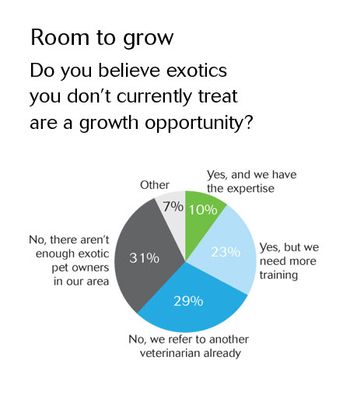
Incorporating exotic animal medicine into your repertoire could be a growth opportunity for your practice-if you do it right.
Incorporating exotic animal medicine into your repertoire could be a growth opportunity for your practice-if you do it right.

Find out what your veterinary colleagues are doing on social media and how to improve your online activity with a resource guide.
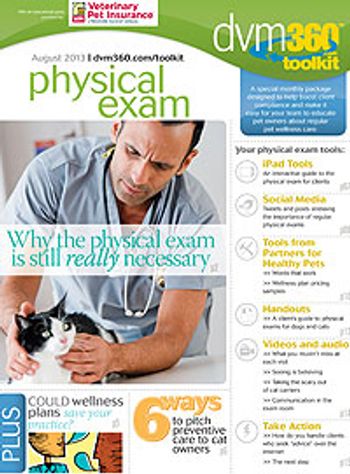
This toolkit delivers team training, free client handouts, exam room education strategies and more, all designed to make it as easy as possible for veterinarians and their teams to promote preventive care and stress the importance of physical exams to pet owners. (With an educational grant provided by Veterinary Pet Insurance)

These clients dutifully bring in their pet's stool samples to the veterinary clinic each visit-and help the packaging industry thrive.

You have a diverse population of clients-including some with mobility, sight or hearing difficulties. Make sure you and your practice team are prepared to accommodate anyone who walks through your door.
Follow these "next steps" to make sure your veterinary team is prepared to promote preventive pet care and stress the importance of physical exams.
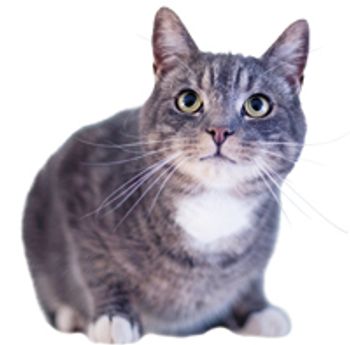
New program e-mails health records to Portland-area veterinarians for post-adoption exams.
You've done hundreds of exams, but each veterinary client typically only observes one each year for their pets. Use these mini scripts that highlight four key steps during a physical exam to increase your educational power in the exam room.
Wellness plans can swell veterinary hospitals with income and help you spot problems earlier. Learn what these packages can do for your practice revenue-and how to get clients on board.
You can achieve better patient care and increased revenue by implementing wellness plans today.
'Slow kill' method no longer recommended in cases of infection.
Violent incidents can happen anywhere, but there are things a practice team can do to be less vulnerable.
Violent incidents can happen anywhere, but there are things a practice team can do to be less vulnerable.
Take a look at dvm360's articles on clinic safety including accounts from veterinary practices that experienced violent threats.

Taking cues from the Bayer Veterinary Care Usage Study, one veterinarian has built a practice that's centered on pet owner needs.
It takes more than a passion for veterinary medicine to be a successful practice owner-you've got to be business savvy, too.
It's still a scary thought for some veterinarians, but more practitioners are seeing the benefits of this gesture.
A trip to the veterinarian can be a scary experience for pets-and their owners. Turn it into a positive one by focusing on animal behavior and catering to pets' needs.
Stem the tide of opinion and enhance trust.

This toolkit delivers team training, free client handouts, exam room education strategies and more, all designed to make it as easy as possible for veterinarians and their teams to explain behavior issues to pet owners. (With an educational grant provided by Ceva)
Think veterinary clients understand how quickly these parasites can spiral out of control in their environment? Give them an informational handout to better understand the life cycles of these pests-and heed your recommendations for prevention and control.
We went straight to the experts for tips and advice on some of the most common pet behavior problems you see in veterinary practice.
Puppies can be rough. Teach veterinary clients how to play appropriately with their new friend from the start to ensure a lifetime of safe and happy interactions.
Don't let clients with older adopted pets feel lost at sea in your veterinary practice. Throw them a line and help them feel just as welcome as clients with younger pets do.
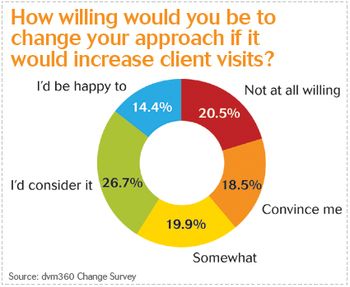
If you think extending your hours could boost revenue and improve veterinary client service-like 61 percent of your colleagues-here are some tips to help you make it happen.

If a veterinary client is nice and pays cash, her pet will die. If the pet is vicious and the owner's check bounces, he will live forever.
These handouts give your clients a better understanding of how flea and tick populations develop.
Take this quiz to find out if you're looking up to par for practice!
Clients often think their indoor-only cats don't need regular veterinary visits. Use these tips to explain the importance of preventive care-and start seeing more felines in your practice.
When pet owners can't afford basic healthcare for their animals, the pets suffer-but so do the people.