

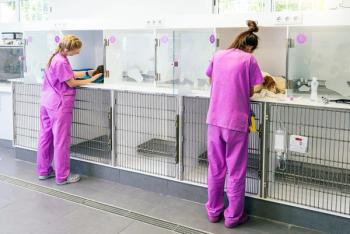
Tripp Oliphant, DVM, on what veterinary school prepares graduates for, why he will not monitor a heart murmur, and what he wishes students entering emergency and critical care understood earlier.

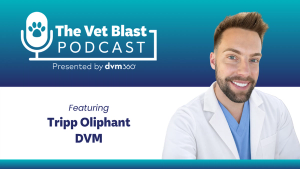
Tripp Oliphant, DVM, is primarily an emergency veterinarian based in the Charlotte, North Carolina area, with a passion for high-quality emergency and critical care medicine, and team development. He is a graduate of the Virginia-Maryland College of Veterinary Medicine at Virginia Tech.
Oliphant has built a career working emergency and specialty hospitals.
Known for blending clinical excellence with authenticity and compassion, Oliphant is also deeply engaged in conversations surrounding the evolving veterinary profession. From burnout and leadership to hospital culture, accessibility of care, and the emotional realities faced by veterinary teams and pet owners alike. Beyond medicine, he has a strong interest in team development, mentorship, and the future of veterinary medicine, including plans to help build innovative veterinary hospitals that prioritize both patient care and sustainable workplace culture.
Outside of the hospital, Oliphant is deeply passionate about team development, retention of individuals within the veterinary profession, and fostering collaborative environments where veterinary teams can thrive both personally and professionally. He is an advocate for building sustainable workplace cultures that support growth, mentorship, communication, and high-quality patient care. His perspective brings together science, empathy, leadership, and real-world experience in a way that resonates with both veterinary professionals and pet owners alike.
Tripp Oliphant, DVM, on what veterinary school prepares graduates for, why he will not monitor a heart murmur, and what he wishes students entering emergency and critical care understood earlier.
Tripp Oliphant, DVM, discusses how an inclusive hospital culture affected his early career as a veterinarian and why creating an environment where team members feel accepted can support professional development.
Tripp Oliphant, DVM, reflects on how experience, repetition, and teamwork helped build his confidence in emergency medicine and shaped his interest in managing complex critical care cases.
Heart murmurs in dogs and cats often require more than monitoring, according Tripp Oliphant, DVM, who recommends earlier echocardiography and cardiology referral, as murmur grade may not reflect true cardiac disease severity.
Tripp Oliphant, DVM, discusses the transition from veterinary school to emergency practice, sharing advice on clinical reasoning, teamwork, and seeking mentorship in high-pressure situations.
Tripp Oliphant, DVM, discusses how veterinary school prepared him for emergency medicine, the challenges of managing cases independently, and the lessons he learned early in practice.
Tripp Oliphant, DVM, reflects on how workplace acceptance shaped his own career and shares why he hopes future veterinarians can focus on growing as clinicians—not on whether they belong.
Tripp Oliphant, DVM, shares why authentic inclusion means moving beyond buzzwords and taking action.
Tripp Oliphant, DVM, on how everyday language, pronoun respect, and decisive leadership actions build belonging and psychological safety in veterinary teams.
Tripp Oliphant, DVM, discusses how LGBTQIA+ veterinary students and new graduates can assess workplace culture, identify signs of support and inclusion, and evaluate potential employers beyond salary and benefits.
In honor of Pride Month, Adam Christman, DVM, MBA, and Tripp Oliphant, DVM, open up about growing up LGBTQIA+, the lifelong process of coming out, and why authenticity and representation matter so deeply in veterinary medicine.
June 25th 2026
June 16th 2026