


From proposed changes to higher education accreditation to the FDA’s authorization of Capstar and generic nitenpyram to prevent and treat New World screwworm in pets, here are 3 veterinary news stories to know this week.
From proposed changes to higher education accreditation to the FDA’s authorization of Capstar and generic nitenpyram to prevent and treat New World screwworm in pets, here are 3 veterinary news stories to know this week.
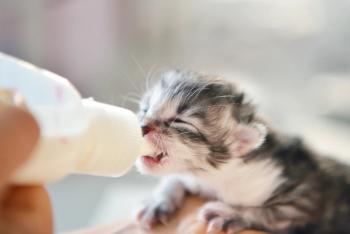
Three new recalls affect a lactated Ringer's injection, 2 wet dog food products, and several feline milk replacers over concerns including contamination and inconsistent nutrient levels.

A pet food recall follows reports of sudden vision loss in dogs, the FDA authorizes Simparica Trio for New World screwworm treatment, and freeze-dried plasma offers a new option for veterinary care.

A glass fiber contamination triggers an Adequan injection recall for dogs and horses, key canine and feline vaccine recommendations many practices have yet to adopt, and what veterinarians should know about rabbit fever in animals after a 4th human case was confirmed on Long Island.

Can dogs and cats get Cyclospora? And can they spread it to people? Plus, what may be the first mastoidectomy ever reported in a gorilla, and what a dog's gait could reveal about cognitive decline.

Updated FIP treatment guidelines, lone star ticks spreading across the US, and new research on syringomyelia risk.
UC Davis becomes the first veterinary hospital to clinically use a camera inside a dog's TMJ joint, and in doing so, identified a disease that had never been documented there before. Plus: a new review argues that aging in pets isn't an inevitable decline, but a process that may be influenced long before the senior years.
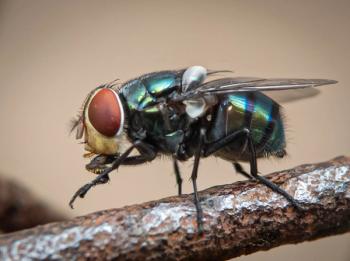
New World screwworm cases rise to 9 as FDA emergency authorizes OTC treatment for pets, plus the launch of a generic for congestive heart failure in dogs.

The CDC has documented the first known cat-to-human transmission of H5N1 avian influenza, a new injectable monoclonal antibody for itchy dogs has launched, and a recall involving more than 180 raw dog food products linked to reported pet illnesses has led a company to completely stop production.
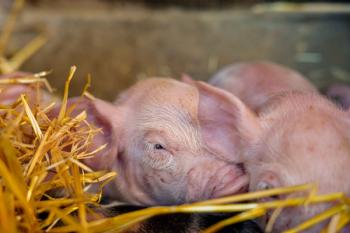
A newly conditionally approved treatment for a painful neurologic condition in dogs, the first detection of pseudorabies in US commercial swine in more than 20 years, and a nationwide raw pet food recall over Salmonella contamination.

A first-of-its-kind FDA approval for canine behavioral conditions, a potential milestone in veterinary vaccine technology, and new research complicating the picture of how H5N1 moves through dairy farm environments.
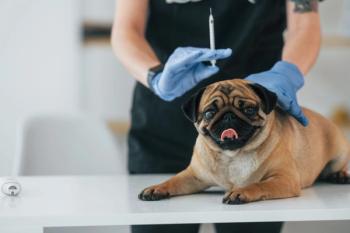
This week: a first-of-its-kind feline hypertension approval, an experimental injectable for flat-faced dogs, and a sweeping new look at cancer genes in cats.

A weekly look at the stories shaping veterinary medicine—from emerging outbreaks and policy shifts to scientific advances and industry news—all delivered in under five minutes.

A weekly look at the stories shaping veterinary medicine—from emerging outbreaks and policy shifts to scientific advances and industry news—all delivered in under 5 minutes.