- Prolonged outdoor exposure
- Close contact with livestock
- Poor wound hygiene
- Medical conditions producing chronic skin lesions
Because even a tiny wound may attract an egg-laying female, awareness and prompt wound care are essential preventive measures.8
Animal and human health impacts: Why screwworm is more than an agricultural problem
One of the most important misconceptions about screwworms is that it simply causes an annoying wound infestation. NWS is an obligate parasite, meaning its larvae require living tissue to complete their development. This biological characteristic makes it significantly more destructive than many other fly species whose maggots feed primarily on dead or decaying tissue.
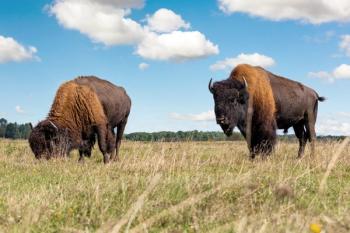
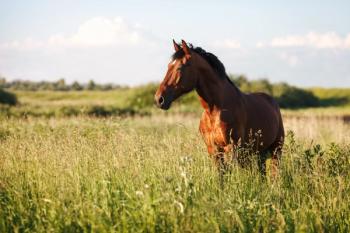
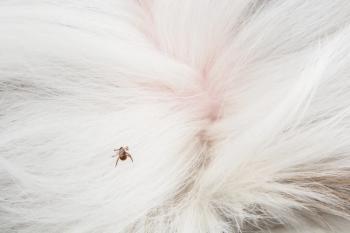
For livestock producers, the consequences can be severe. Cattle are among the most affected animals because routine management practices—including branding, ear tagging, castration, dehorning, or even tick bites—can create wounds attractive to egg-laying female flies.9 Sheep, goats, horses, swine, and companion animals such as dogs may also become infected. Wildlife, including deer and other mammals, can serve as hosts, complicating eradication efforts because infected wild animals can transport the parasite across large geographic areas.
Once larvae hatch, they burrow deeper into the wound while feeding in a screwlike pattern that gives the parasite its common name. The infestation enlarges rapidly, producing extensive tissue destruction, inflammation, bleeding, and a characteristic foul odor. Animals often exhibit obvious signs of distress, including restlessness, isolation from the herd, loss of appetite, and weight loss. As infestation progresses, affected animals may become weak, develop secondary bacterial infections, or die if treatment is delayed.
The economic implications extend well beyond individual animal losses. Producers may face veterinary expenses, decreased weight gain, reduced milk production, reproductive losses, and restrictions on animal movement or international trade. Historically, before eradication in the US, screwworm cost the livestock industry hundreds of millions of dollars annually when adjusted for today's economy. These economic impacts helped drive one of the largest coordinated insect eradication programs ever undertaken.
From a wildlife perspective, screwworm represents a conservation challenge as well. Endangered species are not immune to infestation. During outbreaks, wildlife populations may experience increased mortality, and surveillance becomes considerably more difficult because affected animals are often inaccessible or discovered only after advanced disease.
Although human cases are relatively rare compared with animal infections, they are well documented. Human myiasis typically occurs when flies deposit eggs into untreated wounds or natural body openings such as the nose, ears, or eyes. Individuals living or traveling in endemic areas, agricultural workers, people with chronic wounds, or those unable to maintain adequate wound hygiene may be at greater risk.
Importantly, humans do not "catch" screwworm from another infected person or animal through ordinary contact.10 Each case develops when an adult female fly deposits eggs directly onto susceptible tissue. Nevertheless, human infections require prompt medical attention because the larvae continue feeding on living tissue until removed.
The broader lesson is that screwworm exemplifies the interconnected nature of One Health, recognizing that human health, animal health, and environmental health are closely linked. An outbreak affecting livestock can influence wildlife conservation, food production, economics, and ultimately public health infrastructure.
Diagnosis and treatment: Early recognition saves lives
Prompt diagnosis is critical because the severity of tissue damage increases rapidly as larvae mature.11 Fortunately, experienced veterinarians and physicians can often recognize screwworm based on characteristic clinical findings, although laboratory confirmation remains important for surveillance and control efforts.
Typical signs include the following:
- A wound that unexpectedly enlarges rather than heals
- Bloody or serous discharge
- Foul-smelling tissue
- Visible movement within the wound
- Clusters of cream-colored larvae
- Persistent irritation despite routine treatment
Animals may repeatedly lick or bite the affected area, whereas humans often report pain, itching, or the sensation of movement within the wound.
Laboratory identification generally involves collecting larvae and submitting them to specialized diagnostic laboratories, where entomologists examine their distinctive morphological characteristics. Increasingly, molecular diagnostic techniques such as polymerase chain reaction and DNA sequencing provide rapid and highly accurate species identification, allowing authorities to distinguish NWS from other fly species that produce myiasis.12
Treatment focuses on 2 primary goals: eliminating the larvae and managing the wound.11
Mechanical removal of all larvae is essential. Depending on the location and severity of infestation, veterinarians or physicians may manually extract larvae while carefully cleaning the affected tissue. Failure to remove every larva may allow continued tissue destruction.
Following removal, thorough wound cleansing and debridement help eliminate damaged tissue and reduce bacterial contamination. Secondary bacterial infections frequently require antimicrobial therapy based on clinical evaluation. Pain management and supportive care are also important, particularly for severely affected animals.
In veterinary medicine, approved antiparasitic agents and topical insecticides may assist treatment and help prevent reinfestation. Livestock producers should always follow veterinary guidance and applicable regulatory recommendations when selecting treatments.
For human patients, management depends on the location and extent of infestation but similarly centers on complete larval removal, wound care, and treatment of any secondary infection. Early medical evaluations significantly improve outcomes.
Perhaps the most important principle is simple: Suspected screwworm cases should be reported immediately to appropriate animal health authorities. Rapid reporting enables surveillance teams to investigate, confirm diagnoses, and implement containment measures before additional flies emerge and spread the infestation.13
Prevention and the future: Science, surveillance, and One Health
The history of screwworm demonstrates that prevention is far more effective than treatment. Because each female fly mates only once during her lifetime, disrupting reproduction has proven to be one of the most successful biological control strategies ever developed.14
The SIT remains the cornerstone of eradication efforts. Millions of laboratory-reared male flies are sterilized through carefully controlled irradiation and then released into affected areas. These sterile males compete successfully with wild males for mates. When females mate with sterile males, they produce no viable offspring, gradually causing the local population to collapse.
Unlike widespread pesticide application, SIT is highly species-specific and environmentally responsible. It targets the reproductive biology of screwworms without broadly affecting beneficial insects or ecosystems. The success of this program has made it a model for integrated pest management worldwide.
Surveillance also plays a central role. Veterinary authorities monitor livestock, wildlife, and animal movement while maintaining diagnostic capacity to identify suspect cases quickly. Producers are encouraged to inspect animals regularly, particularly following procedures that create wounds or during seasons favorable for fly activity.
Practical preventive measures include the following:
- Prompt cleaning and protection of wounds
- Careful monitoring of newborn animals
- Appropriate fly control programs
- Timely veterinary evaluation of nonhealing wounds
- Reporting suspicious infestations to animal health officials
- Following movement restrictions during outbreaks
For travelers and health care providers, awareness is equally important. Individuals returning from endemic regions who develop unusual wound infestations should seek medical evaluation, and clinicians should consider myiasis in the appropriate clinical context.
What You Need to Know
The New World screwworm was eliminated from the US in 1966 through the sterile insect technique (SIT), but outbreaks that began in Central America in 2023 have spread northward, with new livestock detections confirmed in Texas in 2026.
Unlike most fly larvae that feed on dead tissue, screwworm larvae consume living tissue, causing severe wounds, animal suffering, and potentially fatal infestations if left untreated.
The parasite's historic eradication demonstrated the effectiveness of SIT and international surveillance programs, but the recent resurgence highlights the need for continued monitoring and rapid containment to prevent widespread reestablishment.
The recent reemergence of NWS near the US serves as a reminder that infectious and parasitic diseases do not recognize political boundaries. Climate conditions, animal movement, wildlife migration, and international commerce all influence disease ecology. Continuous investment in surveillance, scientific research, international collaboration, and public education remains essential.
Final thoughts: An old threat that demands modern vigilance
The NWS is both an extraordinary biological organism and a significant veterinary and public health challenge. Although often described simply as a "flesh-eating parasite," its true importance lies in its ability to exploit even minor wounds, causing devastating disease in livestock, wildlife, and occasionally humans.
The US once demonstrated that science, innovation, and international cooperation could successfully eliminate this parasite through one of the most remarkable eradication campaigns in history. The recent detections underscore that such achievements require ongoing vigilance rather than complacency.15
From producers inspecting cattle to veterinarians diagnosing unusual wounds, physicians recognizing rare cases of myiasis, entomologists monitoring fly populations, and public health officials coordinating surveillance, every component contributes to protecting animal agriculture and human health.
Ultimately, the story of screwworm is not merely about a parasite. It is a compelling example of the One Health concept in action—illustrating how human health, animal health, environmental stewardship, and scientific innovation intersect to address emerging biological threats. Continued investment in research, surveillance, and education will be essential to ensuring that this once-eradicated pest does not regain a permanent foothold in the United States.16
References
- Gottsegen W. The screwworm is messing with America’s beef. The Atlantic. June 9, 2026. Accessed June 10, 2026. https://www.theatlantic.com/newsletters/2026/06/screwworm-parasite-threatening-cows-beef/687492/
- Sterile insect technique. International Atomic Energy Agency. Accessed June 8, 2026. https://www.iaea.org/topics/sterile-insect-technique
- Rohde RE. Will physicians and MLS professionals be prepared to diagnose the return of vaccine-preventable diseases? Healthcare Hygiene Magazine. Published March 20, 2026. Accessed June 8, 2026. https://www.healthcarehygienemagazine.com/monthly-issues/#flipbook-df_30457/13/
- USDA confirms presence of New World screwworm in the United States. USDA. June 3, 2026. Accessed June 8, 2026. https://www.aphis.usda.gov/news/agency-announcements/usda-confirms-presence-new-world-screwworm-united-states?
- New World screwworm outbreak. CDC. June 4, 2026. Accessed June 8, 2026. https://www.cdc.gov/new-world-screwworm/situation-summary/index.html?
- Doucleff M. How the screwworm's sex life saved your steaks. KBPS. June 24, 2016. Accessed June 9, 2026. https://www.kpbs.org/news/2016/06/24/how-the-screwworms-sex-life-saved-your-steaks
- New World screwworm. USDA. June 7, 2026. Accessed June 9, 2026. https://direct.aphis.usda.gov/livestock-poultry-disease/cattle/ticks/screwworm
- About New World screwworm. CDC. February 24, 2026. Accessed June 9, 2026. https://www.cdc.gov/new-world-screwworm/about/index.html
- Douglas L. US confirms new screwworm cases, as ranchers brace for spread. Reuters. June 8, 2026. Accessed June 9, 2026. https://www.reuters.com/world/us/usda-confirms-two-additional-cases-new-world-screwworm-united-states-2026-06-08/
- New World screwworm in the US: what it means for North Carolina. North Carolina State University. June 8, 2026. Accessed June 9, 2026. https://cvm.ncsu.edu/news/new-world-screwworm-in-the-u-s-what-it-means-for-north-carolina/
- Clinical overview of New World screwworm. CDC. February 24, 2026. Accessed June 9, 2026. https://www.cdc.gov/new-world-screwworm/hcp/clinical-overview/index.html
- Palinski R, Hicks J, Alfred JT, et al. Validation of a molecular workflow for Cochliomyia hominivorax (New World screwworm) identification in field samples. Sci Rep. Published June 3, 2026. doi:10.1038/s41598-026-54866-6
- Report suspected cases of screwworm. USDA. Published June 8, 2026. Accessed June 9, 2026. https://www.aphis.usda.gov/animals/animal-health/livestock-and-poultry-disease/stop-screwworm/report-suspected-cases-screwworm
- Stop screwworm: unified government response to protect the United States. USDA. Published June 9, 2026. Accessed June 9, 2026. https://direct.aphis.usda.gov/animals/animal-health/livestock-and-poultry-disease/stop-screwworm
- Nolen RS, Larkin M. Officials call for veterinary vigilance as screwworms move closer to US. American Veterinary Medical Association. September 22, 2025. Accessed June 9, 2026. https://www.avma.org/news/officials-call-veterinary-vigilance-screwworm-moves-closer-us
- Rohde RE. Re-emerging diseases and the need for diagnostic readiness. American Society of Microbiology. April 24, 2026. Accessed June 8, 2026. https://asm.org/articles/2026/april/re-emerging-diseases-and-the-need-for-diagnostic-r