A study of 87 free-roaming cats trapped through a New York City TNR program found more than half infected with at least 1 endoparasite—and identified juvenile males as high-intensity "super-shedders" of roundworm eggs.
Chris Mazzolini is a vice president of content at DVM 360.
A study of 87 free-roaming cats trapped through a New York City TNR program found more than half infected with at least 1 endoparasite—and identified juvenile males as high-intensity "super-shedders" of roundworm eggs.
A dvm360 interview with Christina M. Gentry, DVM, DACVD, and Lori Teller, DVM, DABVP, about their new research surveying veterinarians about canine atopic dermatitis.
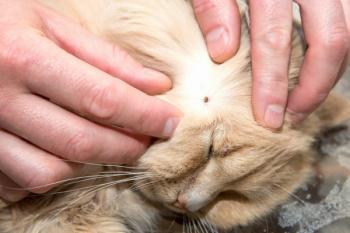
A fatal feline case near Oklahoma City spotlights cytauxzoonosis, a fast-moving, often-lethal tick-borne disease with a narrow treatment window.

Christina M. Gentry, DVM, DACVD, and Lori Teller, DVM, DABVP, discuss what their new survey of 718 North American veterinarians reveals about how cost and knowledge gaps shape everyday CAD care.

In a longitudinal study of 88 senior dogs, thoracic limb stride length tracked owner-reported cognitive impairment even after accounting for age and pain—pointing to a simple, scalable mobility marker for geriatric monitoring.

A new study finds that miniaturization reshapes the canine skull rather than simply scaling it down, with rounder crania clustering in breeds predisposed to syringomyelia.
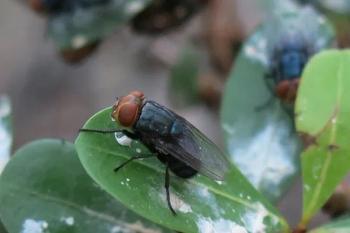
Coverage of New World screwworm detections, FDA treatment authorizations, and response efforts across animal health and agriculture as the parasite reemerges in the United States.

A low urine ammonia–creatinine ratio was tied to faster disease progression and shorter survival in dogs with stable chronic kidney disease.

Owner-reported data from the Dog Aging Project reveal that the vast majority of US dogs exhibit some degree of fear or anxiety—findings with real implications for clinical practice.

Two new studies deepen the H5N1 picture in US dairy herds.

A prospective study found that escalating carvedilol to 150–200% of the standard dose safely relieved left ventricular outflow tract obstruction in cats that had not responded adequately to initial therapy.
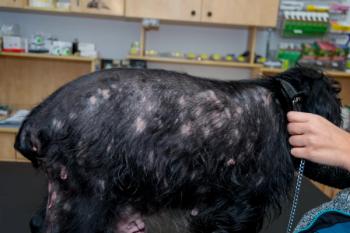
A survey of veterinarians shows that financial constraints are common among clients managing canine atopic dermatitis and strongly influence diagnostic and treatment choices, revealing gaps in antibiotic stewardship, awareness of newer therapies, and proactive cost discussions.
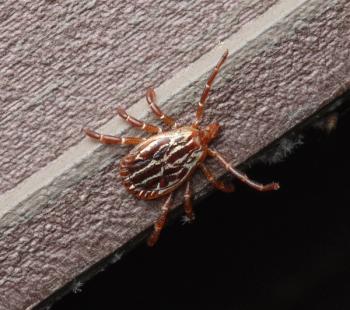
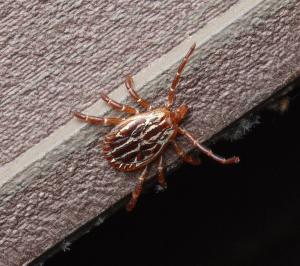
A study from The Ohio State University provides the first quantitative evidence that 2 tick species can survive for weeks on common household flooring, underscoring the need for veterinarians to reinforce year-round tick prevention and home risk mitigation strategies with clients.

Even devoted pet owners struggle to recognize behavioral cues that indicate their dog may be hurting. How can veterinarians help inform pet owners of these subtle behavioral changes?
The FDA emergency use authorization (EUA) expands the New World screwworm treatment tool kit to cattle, small ruminants, horses, exotic mammals, and wild and pet birds.
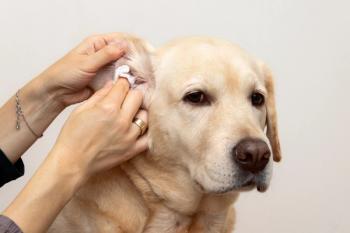
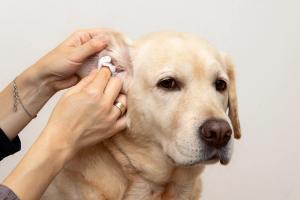
A new University of Illinois study identifies a single genetic change that explains why some Malassezia ear infections stop responding to miconazole. The study authors say the findings point at the need for better antifungal stewardship.

A new study suggests common saliva measures may align with how dogs perform on a widely used temperament test. Can biomarkers add an objective layer to behavior-based screening?
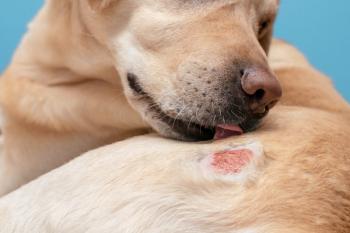
A recent study is prompting a closer look at an often-overlooked immune cell, and what it might be doing in the earliest moments of canine atopic dermatitis flares.
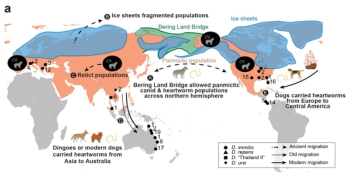
A new study from Australia reveals the complex evolutionary history of canine heartworms, challenging previous beliefs about their global spread and origins.

A veterinarian explained how noncompetes have harmed his career during a live webinar hosted by the Federal Trade Commission.
Published: June 4th 2026 | Updated: June 11th 2026