

Dont stress! Heres a handy how-to handout for veterinary clients wanting to make at-home nail trimming a breeze, plus tips for what to do and say for anxious in-clinic nail trims.
Dont stress! Heres a handy how-to handout for veterinary clients wanting to make at-home nail trimming a breeze, plus tips for what to do and say for anxious in-clinic nail trims.
We asked, they answered: Heres the best advice veterinary practice software experts want the dvm360 audience to know.

Veterinarians feel the strain of clients financial limitations, but how do pet owners prepare when theyre not being informed?
Your name, your staff and your reputation may already be kicking around on the smartphone-friendly social channel.
Help your veterinary clients understand the difference between safe, healthy play and aggressive, traumatic interactions.
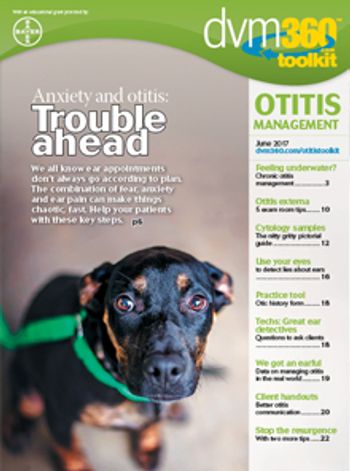
Hate otitis? We hear you. Use these tools to get better client compliance for your team's otitis recommendations, plus the latest from our ear disease experts.
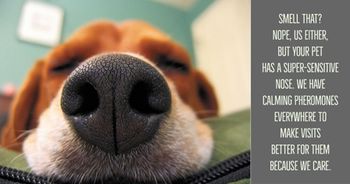
Get these image-text combos in front of pet owners eyeballs to help them learn the ins and outs of Fear Freeand schedule a low-stress visit with your hospital.
Embrace the immediacy of the medium.

Data collection and analysis can be effective for tracking and maintaining veterinary clients. But is it worth it?

This social media campaign will help you teach your veterinary clients to better read their aging feline friends.

Dr. Google is so last-decadethese days clients are taking their pet-related queries to Siri, Alexa and other voice technology assistants.

CVC rock star Bash Halow ran the microphone around the room to get attendees' brilliant ideas this week in Virginia Beach. Here's a few of the best. Wanna try 'em and see if they shine?
Red alert: Are you missing warning signs from clients? Live from CVC Virginia Beach, we share trade secrets from CVC educator Brian Conrad's can't-be-missed session.
Do clients roll their eyes when you recommend bathing and antihistamines for tough derm cases?
CVC educator Caitlin DeWilde, DVM, lays out social media and website needs for the beginner, the journeyman and the advanced veterinary practice manager or owner.
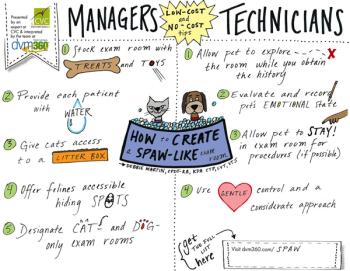
Low-cost and no-cost Fear Free tips for veterinary practice managers and technicians.

If your veterinary clients think food puzzles need no introduction, theyll likely end up with bored, frustrated felines. Share these tips for easing cats into the idea of working for their food

In the case of at least two major pet health insurance carriers, the answer is yup. Here are details for your veterinary team when you pitch wellness and veterinary clients ask if theyre covered.
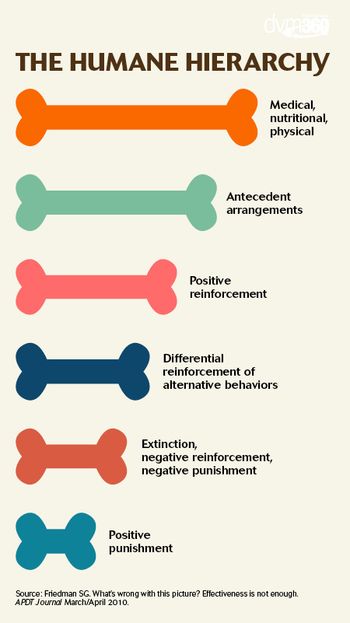
Don't just hand your clients business cards of trainers youve never met and know nothing about. Commit to partnering with a trainer to improve your patients health.

What Disney's Who Framed Roger Rabbit can teach us about the veterinary client experience.
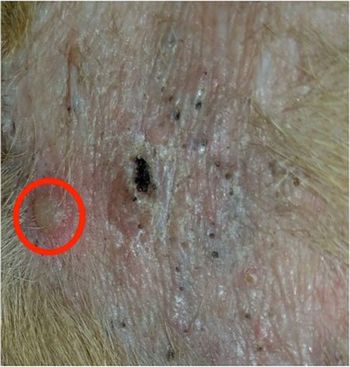
Weve collected some of the best veterinary dermatology hacks and work-arounds on dvm360.com in the past few years. They touch on dermatology, oncology, parasitology, client education and more. Steal at will.
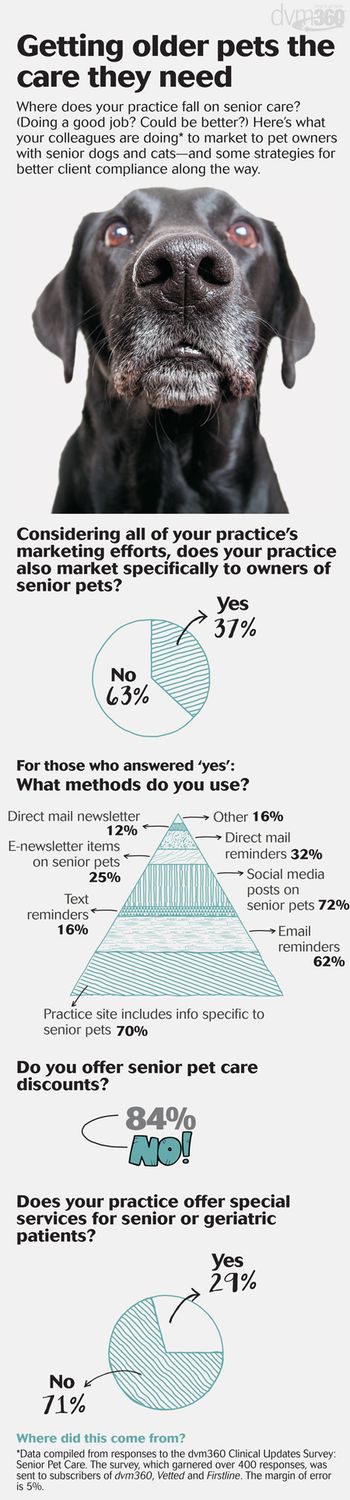
Here's what your colleagues are doing to market to owners of senior pets, plus, some strategies for better client compliance along the way.
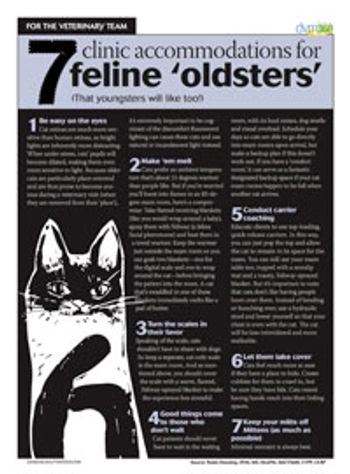
Dont let your veterinary practice commit these feline faux pa(w)s with old, painful cats.
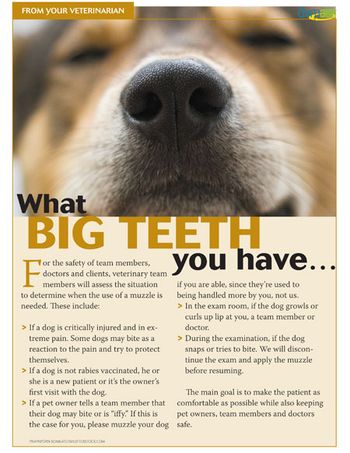
Use this client handout to let veterinary clients know when and why the use of a muzzle might be a necessity.
New technology allows in the field quantification of parasite burden so you can get on with treatment.
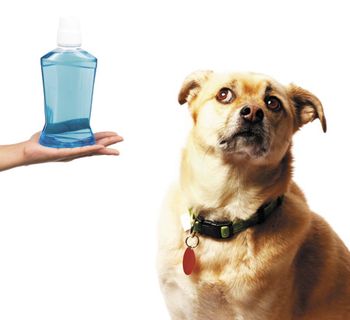
Your response? Try these communication remedies for at-home dermatologic treatments gleaned from Dr. Google. The goal: Help the pet without shaming the client.

What do you do when you find a microchip at your veterinary practice and the pet owner says "no," you can't scan it? Here's how I handle it.

They were into rehab before rehab was hot. Hear how this husband-and-wife duo, who split their practice right down the middle between orthopedic surgery and rehab, started up and their excited takes on internet-smart clients and flyball (youll know after you listen).
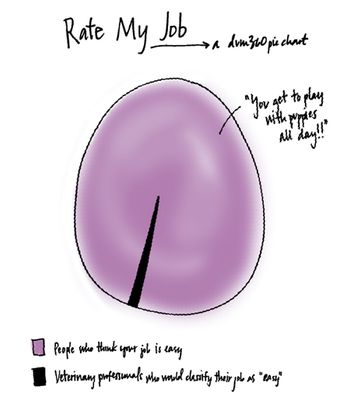
How many times have you heard, "It must be so fun to play with puppies all day!"?
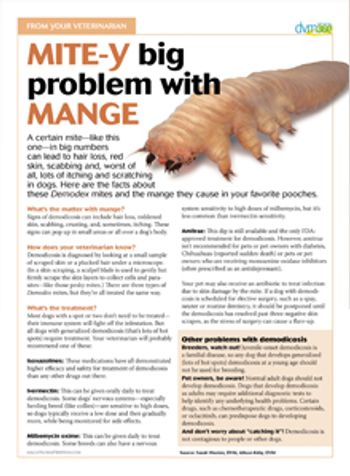
These mites cause hair loss, red skin, scabbing and lots of itching and scratching for your veterinary clients' dogs. Tell 'em all about it with this PDF handout.