





According to the university's veterinary team, this screening tool is superior to any other that utilizes routine blood tests available to veterinarians.
According to the university's veterinary team, this screening tool is superior to any other that utilizes routine blood tests available to veterinarians.

A New Jersey small animal veterinarian shares how the pandemic has impacted his practice and explains his new approach for veterinary house calls.

A recent webinar for veterinary practice owners and managers shed some light on how to reduce workplace exposure to the novel coronavirus, and the legal rights and responsibilities when it comes to employees and their business.

Prescott Animal Hospital (Arizona) and Tustin Legacy Animal Hospital (California) win top honors as co-Hospitals of the Year.
Veterinarians and medical professionals should conserve personal protective equipment (PPE) until supplies become more readily available.
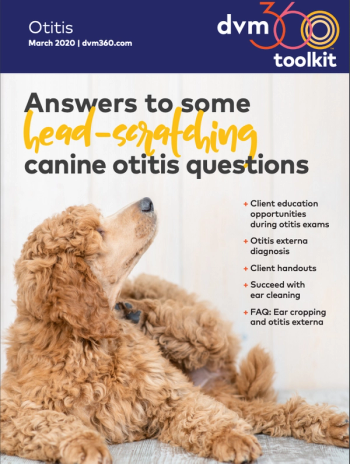
Use these expert tips and tools to hone your otitis diagnosis and treatment skills, and make it as easy as possible to educate pet owners about this painful and annoying condition. (With an educational grant provided by Bayer)

Practice manager and regular dvm360.com contributor Emily Shiver shares how her clinic's protocols are evolving during the COVID-19 pandemic.

Do you know where to look for efficiencies and new growth possibilities for your veterinary practice?
Both associations have urged lawmakers to classify veterinary practices as ‘essential’ because, they say, not doing so could negatively impact both animal welfare and the wellbeing of pet owners.

Using One Health as a driving philosophy, leadership from the Association for Animal Welfare Advancement, WSAVA, shelter medicine, and MightyVet are participating in the webinar, which will address considerations for those impacted by COVID-19 who care for pets.

The dean of Cummings School of Veterinary Medicine at Tufts University explains how and why veterinary professionals are vital in the fight against the novel coronavirus.

In every corner of the world, people are doing their part to thwart the spread of COVID-19. dvm360 columnist Dr. Mike Paul shares what he’s experiencing on the tiny island of Anguilla.

Want to be in the know? Check out the veterinary news highlights from this week.

With COVID-19 interrupting life as we know it, how can veterinary teams remain calm while continuing to offer patient care? Certified leadership and wellness coach Kristina Guldbrand offers some tips.
If you’re on the fence about whether to add wellness plans to your practice offerings, consider these obstacles and opportunities first.
Idexx has tested thousands of dogs and cats, and all came up negative for the coronavirus strain that causes COVID-19.

The dog has shown no clinical signs of the disease but is under quarantine in a government animal housing facility.

You may not have the title of “boss” or “manager” at your veterinary practice, but that doesn’t mean you can’t be a leader. Here’s how to prepare yourself for a leadership role.

The certification program evaluates the science, communication, community engagement, animal welfare and wellness, and medical care needed to create and maintain a positive human-animal bond.

Cannabidiol is already being used to mitigate obsessive-compulsive behaviors in horses. This study aims to find out whether it’s actually working.
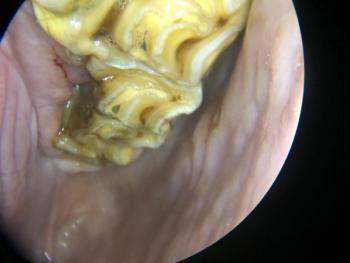
Research is limited in this area of equine veterinary care, but one practitioner has an approach that works.
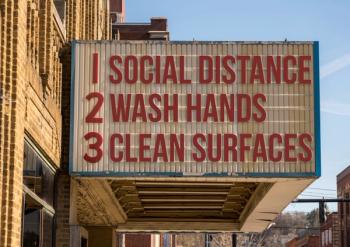
It remains unclear how much havoc the COVID-19 pandemic will wreak for people and businesses around the world before it ends. In the meantime, the AVMA continues to offer guidance for veterinary practices.

If passed, the new bill would allow borrowers to pause interest accumulation and loan repayment while pursuing additional veterinary training and education.
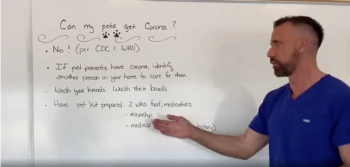
Dr. Adam Christman explains how to prevent the spread of COVID-19 at your practice and provides tips on what to do if your pet is feeling ill.
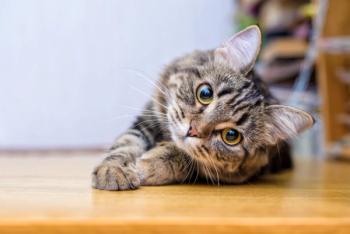
Researchers from Colorado State University want to stop feline enteric coronavirus before it has a chance to mutate into feline infectious peritonitis.
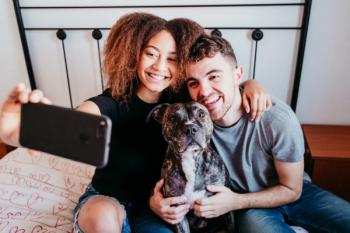
It’s been something of a struggle to establish pet insurance as a standard in pet care in the United States, but a new generation of pet owners may be changing that.

Millennials are one of the largest driving forces behind pet health insurance growth.
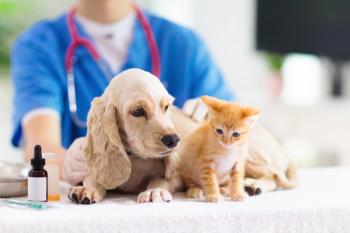
The document was developed to help resolve global inequities in accessing veterinary medicines.
Some veterinary professionals find online fundraising for pet care distasteful, but it does have some plusses.