

Tripp Oliphant, DVM, on what veterinary school prepares graduates for, why he will not monitor a heart murmur, and what he wishes students entering emergency and critical care understood earlier.
Tripp Oliphant, DVM, on what veterinary school prepares graduates for, why he will not monitor a heart murmur, and what he wishes students entering emergency and critical care understood earlier.
Ellen Behrend, VMD, PhD, MS, DACVIM (SAIM), shares why she believes SGLT2 inhibitors could help more cats with diabetes receive treatment and discusses their potential role in managing complex cases, including cats with acromegaly.

Two more students are set to receive up to $140,000 each.
New leadership moves, recognition, and achievement.
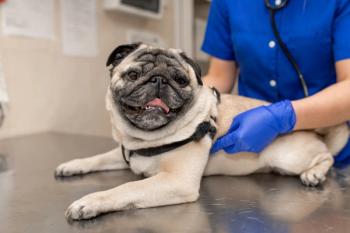
With complication risk rising as anesthetic time increases, Rebecca A. Johnson, DVM, PhD, DACVAA, outlined practical steps to reduce perianesthetic risk in brachycephalic patients through careful planning, airway management, and recovery protocols during a 2026 AVMA Convention session.
Tripp Oliphant, DVM, discusses how an inclusive hospital culture affected his early career as a veterinarian and why creating an environment where team members feel accepted can support professional development.
Ellen Behrend, VMD, PhD, MS, DACVIM (SAIM), explains which feline patients may benefit from SGLT2 inhibitors, outlines key contraindications, and discusses the evolving conversation around cats with ketones.

The prescription oral solution is authorized for short-term prevention in horses as New World screwworm cases in the US continue to rise.
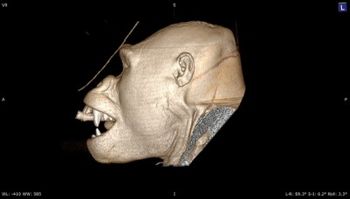
The case, believed to be the first of its kind reported in a gorilla, drew on techniques adapted from human ear and skull base surgery.

The 3-diet portfolio comes as interest in fresh food continues to grow among pet owners.
Anita Patel, DVM, senior director of clinical excellence at IndeVets, discusses the challenges of navigating organizational change, from aligning values and goals to supporting teams through periods of transition.
Dilara Kiran, DVM, MS, explains why policy engagement extends beyond federal government, highlighting opportunities for veterinary professionals to influence decisions within their practices, communities, and the broader profession, in this interview from the 2026 AVMA Convention.
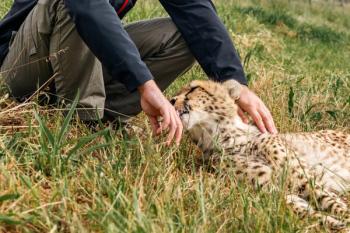
Disney's vice president of Animals, Science and Environment made the case that the best animal care happens with animals, not to them, and that no one achieves it alone.
Do feline diabetes diets need to change when a cat starts an SGLT2 inhibitor? Ellen Behrend, VMD, PhD, MS, DACVIM (SAIM), discusses what veterinarians should consider when balancing dietary recommendations, gastrointestinal adverse effects, and DKA concerns.
Concerns about diabetic ketoacidosis, ketone monitoring, and cost may prevent some veterinarians from considering SGLT2 for cats with diabetes. Ellen Behrend, VMD, PhD, MS, DACVIM (SAIM), discusses what monitoring is needed and how reduced monitoring requirements may help make these medications more affordable for owners.

At the 2026 AVMA Convention, Will P. Rausch, DVM, DACVIM (Cardiology), discussed where NT-proBNP fits in feline cardiomyopathy screening and why the test should be used as part of a broader diagnostic approach.

More than 700 continuing-education sessions run across 5 days, July 10–14. Here are the ones to circle first, sorted by practice area, plus a handful that are easy to scroll past and worth catching.
In Part 2 of this miniseries, Jennifer Edwards, DVM, ACC, CPC, ELI-MP, discusses how reclaiming agency, setting parameters, and understanding personal limits can help veterinary professionals protect their well-being.

A comparison of the 2025 and 2026 AVMA Convention programs reveals a growing focus on affordability and access, alongside increased programming on New World screwworm, disaster preparedness, and veterinary practice ownership.
Tripp Oliphant, DVM, reflects on how experience, repetition, and teamwork helped build his confidence in emergency medicine and shaped his interest in managing complex critical care cases.
Heart murmurs in dogs and cats often require more than monitoring, according Tripp Oliphant, DVM, who recommends earlier echocardiography and cardiology referral, as murmur grade may not reflect true cardiac disease severity.
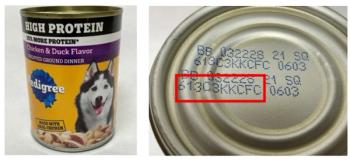
The company says the recalled cans had been sent for destruction before being “fraudulently” diverted and sold in the US marketplace.
Tripp Oliphant, DVM, discusses the transition from veterinary school to emergency practice, sharing advice on clinical reasoning, teamwork, and seeking mentorship in high-pressure situations.

With shelters reporting a surge in lost pets each Fourth of July, this expert-backed guide offers practical tips veterinary teams can share with clients on recognizing stress, preventing escapes, building a reliable recall, and responding if a dog gets loose.
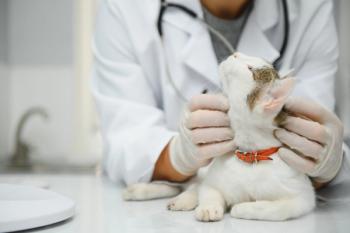
Mark J. Acierno, DVM, MBA, DACVIM (SAIM), discusses treatment strategies for CKD-associated anemia, appetite support, and how FGF-23 testing can help guide phosphorus restriction in cats.
Tripp Oliphant, DVM, discusses how veterinary school prepared him for emergency medicine, the challenges of managing cases independently, and the lessons he learned early in practice.
Tripp Oliphant, DVM, reflects on how workplace acceptance shaped his own career and shares why he hopes future veterinarians can focus on growing as clinicians—not on whether they belong.
Updated FIP treatment guidelines, lone star ticks spreading across the US, and new research on syringomyelia risk.

The updated guidelines recommend SGLT2 inhibitors as first-line therapy for many cats with diabetes and detail patient selection, β-hydroxybutyrate monitoring, diet, and when to switch to insulin.
Tripp Oliphant, DVM, shares why authentic inclusion means moving beyond buzzwords and taking action.