


A severely immunocompromised patient treated in Lyon died in early October. Investigators suspect the patient was bitten by an infected Culicoides midge in a region where the virus circulated in cattle this summer.
A severely immunocompromised patient treated in Lyon died in early October. Investigators suspect the patient was bitten by an infected Culicoides midge in a region where the virus circulated in cattle this summer.

A nationwide recall of thousands of compounded veterinary medication listings, the first New World screwworm detection in US wildlife since the parasite’s return, and a new FDA-approved antibiotic formulation for certain skin infections in dogs.

Medications shipped nationwide from February through early October may contain too little or too much of the active drug. The company has reported 98 complaints to date—7 of them serious.
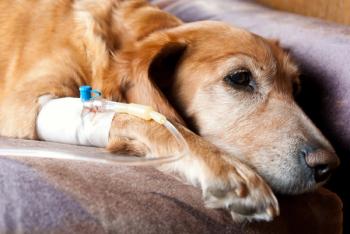
From catheter size and vessel selection to common placement mistakes, Alyssa Mages, BS, CVT, FVTE, shares practical guidance on venipuncture and IV catheter placement for veterinary technicians.
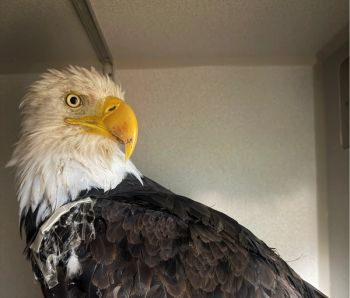
An atypical presentation of the virus led to internal bleeding, anemia, and sepsis in the famous bald eagle whose illness had puzzled her care team for weeks.

New leadership moves, recognition, and achievement.

Veterinary professionals may face physical strain from routine tasks such as floor exams, dental procedures, patient restraint, and lifting. Here are 6 common sources of ergonomic risk and strategies to help reduce the strain.
Adam Christman, DVM, MBA, returns as host for season 3, featuring a roundup of recent veterinary news and an appearance by guest Steve Mehler, DVM, DACVS.
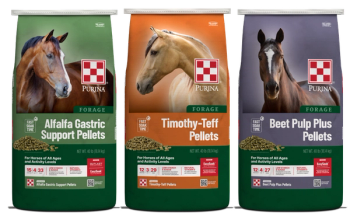
The line targets horses with limited pasture access, chewing difficulties, or specific starch and sugar needs, and can stand in for some or all hay depending on the formula.
In a voluntary dvm360 survey of 146 veterinary professionals, nearly 3 in 4 reported moderate or severe burnout, with administrative burden, workload, and staffing shortages among the most frequently cited stressors. Written responses raised concerns about compensation, client behavior, and revenue-driven appointment quotas.

New leadership moves, recognition, and achievement.
A conversation on how adjusting body positioning and building physical strength can help veterinary professionals manage the physical demands of patient care and reduce injury risk.

A month-by-month guide to regional, specialty, and international meetings with CE opportunities for veterinary professionals before the year ends.

The latest updates relating to animal care establishments and platforms.

A new analysis detected heavy metals, glyphosate, and plastic-related chemicals in nearly all of the cat foods tested. This slideshow breaks down the findings, what they may mean for cats, and what remains unclear.
Aaron Shaw, OTR/L, CHT, CSCS, and Jennifer Edwards, DVM, PCC, CPC, ELI-MP, examine why veterinary work can take such a physical toll and what professionals can do to build strength, reduce injury risk, and stay in the profession longer.
A report of 100 cat food products from 62 brands found heavy metals, an herbicide, and plastic-related chemicals across the products, with higher mercury levels in fish-based foods and higher lead levels in dry foods.

The veterinary teaching hospital will offer 5 internship positions for the 2027-28 academic year, with applications opening November 1

Researchers using the same Dog Aging Project data found substantially lower rates of aggression, fear, and separation-related behavior, but say the true prevalence remains uncertain.

In an interview with dvm360 at the 2026 Fetch National Harbor Veterinary Conference, a veterinary oncologist and a veterinary social worker explained how the role supports owners and staff through a difficult patient diagnosis, treatment, and end-of-life care.

Fifteen second-year veterinary students will each receive $20,000, along with mentorship and leadership training that continues after graduation.

Alyssa Mages, BS, CVT, FVTE, shares guidance on assessing emergency patients, communicating with distressed clients, and establishing a team-based triage process.
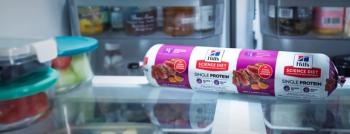
The latest products and innovative technology in veterinary medicine.
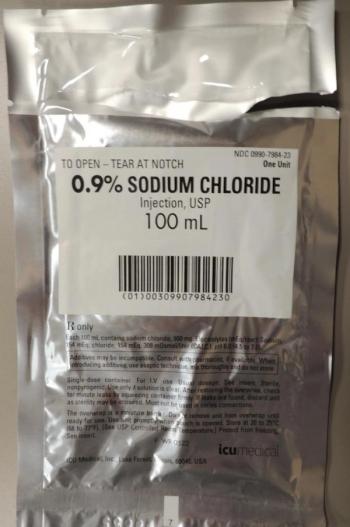
One lot of 0.9% sodium chloride injection may contain bags of concentrated potassium chloride, a mix-up the manufacturer says could cause serious or fatal adverse events.
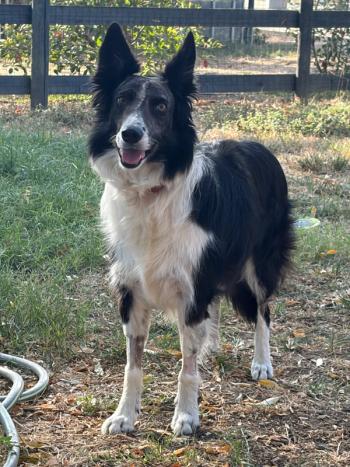
UC Davis veterinarians used 3 titanium miniplates and 16 screws to repair fractures of the skull, orbit, and midface in a 5-year-old dog named Tessa.

FDA testing found 5 fungal species, including one known for antifungal resistance, in Neogen Vet HYCOAT, a product labeled as sterile.
New leadership moves, recognition, and achievement.
The British Association of Veterinary Ophthalmologists says more than 200 cases of sudden bilateral keratoconjunctivitis sicca have been reported, including dogs that did not eat the company’s food, and is urging veterinarians to report cases as the investigation continues.

Despite growth in enrollment, fewer than 5% of US dogs and cats are insured, while rising veterinary costs are increasingly affecting treatment decisions and access to recommended care.

The latest updates relating to animal care establishments and platforms.