

Tripp Oliphant, DVM, discusses the transition from veterinary school to emergency practice, sharing advice on clinical reasoning, teamwork, and seeking mentorship in high-pressure situations.
Tripp Oliphant, DVM, discusses the transition from veterinary school to emergency practice, sharing advice on clinical reasoning, teamwork, and seeking mentorship in high-pressure situations.

With shelters reporting a surge in lost pets each Fourth of July, this expert-backed guide offers practical tips veterinary teams can share with clients on recognizing stress, preventing escapes, building a reliable recall, and responding if a dog gets loose.
Mark J. Acierno, DVM, MBA, DACVIM (SAIM), discusses treatment strategies for CKD-associated anemia, appetite support, and how FGF-23 testing can help guide phosphorus restriction in cats.
Tripp Oliphant, DVM, discusses how veterinary school prepared him for emergency medicine, the challenges of managing cases independently, and the lessons he learned early in practice.
Tripp Oliphant, DVM, reflects on how workplace acceptance shaped his own career and shares why he hopes future veterinarians can focus on growing as clinicians—not on whether they belong.
Updated FIP treatment guidelines, lone star ticks spreading across the US, and new research on syringomyelia risk.

The updated guidelines recommend SGLT2 inhibitors as first-line therapy for many cats with diabetes and detail patient selection, β-hydroxybutyrate monitoring, diet, and when to switch to insulin.
Tripp Oliphant, DVM, shares why authentic inclusion means moving beyond buzzwords and taking action.
Tripp Oliphant, DVM, on how everyday language, pronoun respect, and decisive leadership actions build belonging and psychological safety in veterinary teams.
Tripp Oliphant, DVM, discusses how LGBTQIA+ veterinary students and new graduates can assess workplace culture, identify signs of support and inclusion, and evaluate potential employers beyond salary and benefits.

New leadership moves, recognition, and achievement.
UC Davis becomes the first veterinary hospital to clinically use a camera inside a dog's TMJ joint, and in doing so, identified a disease that had never been documented there before. Plus: a new review argues that aging in pets isn't an inevitable decline, but a process that may be influenced long before the senior years.
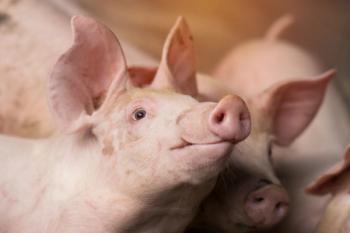
Fewer than 2 months after pseudorabies was detected in a US commercial swine herd for the first time in more than 20 years, federal and state officials have closed the Iowa case and formally restored the country's disease-free status.

Theresa Cosper-Roberts, MA, RVT, CVPM, ACE(DE), CVBL, shares advice on evaluating employers, navigating interviews, and finding a veterinary workplace that supports long-term growth.

New leadership moves, recognition, and achievement.
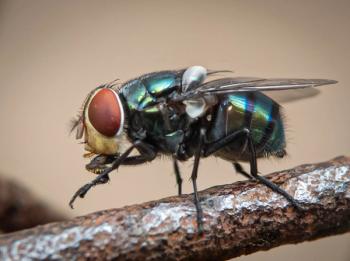
New World screwworm cases rise to 9 as FDA emergency authorizes OTC treatment for pets, plus the launch of a generic for congestive heart failure in dogs.
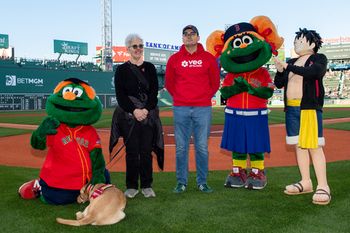
The latest updates relating to animal care establishments and platforms.
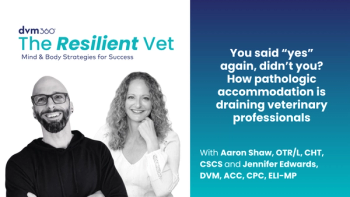
The habit of saying yes looks like dedication. Over time, it can quietly erode effectiveness, well-being, and sense of self, explains Jennifer Edwards, DVM, ACC, CPC, ELI-MP, in this episode of The Resilient Vet: Mind and Body Strategies for Success.
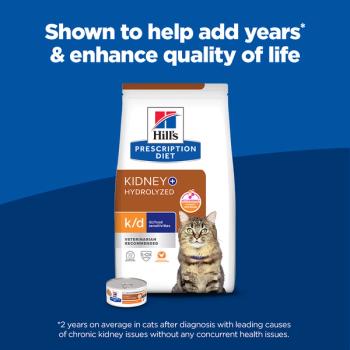
The new diets may help veterinarians manage pets with chronic kidney disease and concurrent skin or gastrointestinal concerns.
A list of available treatments for screwworm infestations in cattle, horses, sheep, goats, deer, swine, cats, dogs, exotic, zoo, and wildlife species, as well as guidance for practitioners before using these products.
Federal officials have confirmed additional New World screwworm detections in Texas and New Mexico, bringing the total to 5 cases in 6 days, including the first in a companion animal since the parasite’s return to the United States.
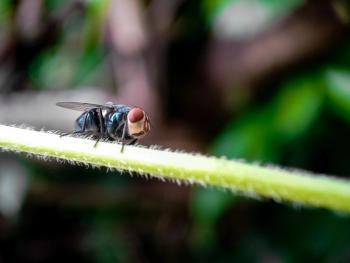
Christopher Lee, DVM, MPH, DACVPM, DACVM (Parasitology), on why the NWS detection in Texas signals something far bigger—and what clinicians need to do now. Plus: early warning signs, identification, lab submission, and risk to pets.
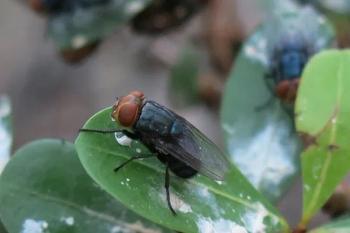
Coverage of New World screwworm detections, FDA treatment authorizations, and response efforts across animal health and agriculture as the parasite reemerges in the United States.

The newly launched product is indicated for the induction and maintenance of general anesthesia in dogs and expands the range of inhalant anesthetic options available to veterinary practices.
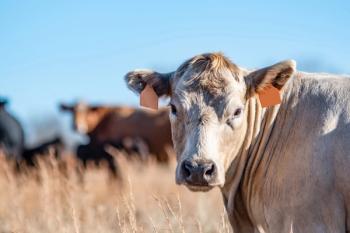
The supplemental approval expands KetoMed's existing label to include a new species and indication, offering veterinarians a generic alternative to the brand-name Ketofen.
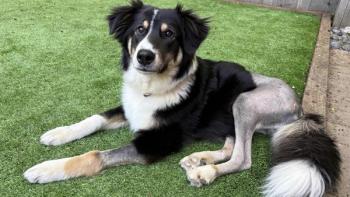
A 1-year-old dog was found at a landfill, unable to walk due to complex femur and pelvic fractures, and was brought to the UC Davis William R. Pritchard Veterinary Medical Teaching Hospital for surgical repair.

Theresa Cosper-Roberts, RVT, CVPM, ACVE(DE), CVBL, on the culture of silence around clinical mistakes.

New leadership moves, recognition, and achievement.
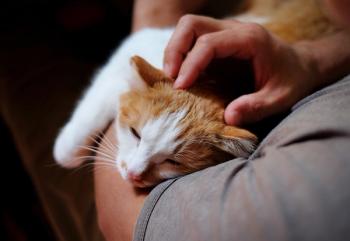
The CDC has documented the first known cat-to-human transmission of H5N1 avian influenza, a new injectable monoclonal antibody for itchy dogs has launched, and a recall involving more than 180 raw dog food products linked to reported pet illnesses has led a company to completely stop production.
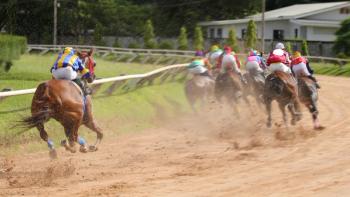
New findings from a yearlong AAEP research project reveal how real-time biometric data can help trainers and veterinarians predict racehorse injuries before they happen.