


A dog in Knoxville, Tennessee, ingested 80 to 90 phenobarbital tablets belonging to a visiting pet and was found unresponsive by her family.
A dog in Knoxville, Tennessee, ingested 80 to 90 phenobarbital tablets belonging to a visiting pet and was found unresponsive by her family.
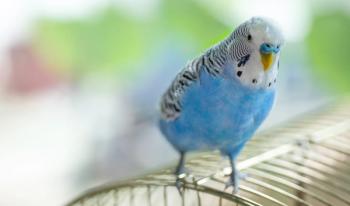
Learn why the unique avian respiratory anatomy make breathing efficient yet infection-prone, plus how CT imaging detects subtle respiratory disease earlier than x-rays.
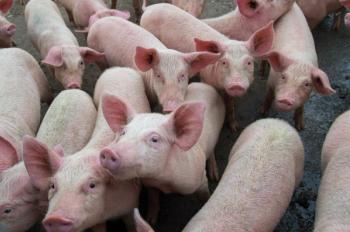
The first US commercial pseudorabies case in more than 2 decades has triggered surveillance, depopulation, and biosecurity measures in Iowa and Texas.

New leadership moves, recognition, and achievement.
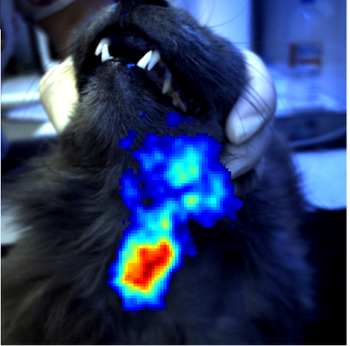
A portable gamma–optical camera brings point-of-care thyroid imaging into veterinary practice, with a new hybrid system used in Greece to evaluate cats with known or suspected hyperthyroidism.
A newly conditionally approved treatment for a painful neurologic condition in dogs, the first detection of pseudorabies in US commercial swine in more than 20 years, and a nationwide raw pet food recall over Salmonella contamination.
A slideshow on what veterinarians should know about recognizing, diagnosing, and managing OA in dogs, with insights from Kristin Kirkby Shaw, DVM, PhD, MS, DACVS-SA, DACVSMR.

The latest updates relating to animal care establishments and platforms.
An episode on addressing the aches and pains of clinical work through practical ergonomic strategies, alongside a free veterinary ergonomic checklist from occupational therapist Aaron Shaw, OTR/L, CHT, CSCS.

Pregabalin chewable tablets target nerve-related pain by reducing the release of neurotransmitters involved in pain signaling within the spinal cord.

A roundup of the latest products and innovative technology in veterinary medicine.

New leadership moves, recognition, and achievement.

Further testing and evaluation are underway, according to Albright’s Raw Pet Food.

A first-of-its-kind FDA approval for canine behavioral conditions, a potential milestone in veterinary vaccine technology, and new research complicating the picture of how H5N1 moves through dairy farm environments.

Ways veterinary practices can support technician retention through compensation, career development, and workplace approaches tailored to employees’ individual skills and experiences.
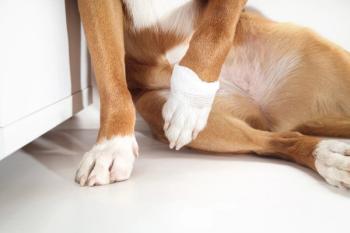
From NSAIDs and rehabilitation to shockwave therapy and platelet-rich plasma, Leilani Alvarez, DVM, DACVSMR, CVA, CCRT, outlines practical strategies for managing canine forelimb lameness.

The report designates the first 12 months of a cat's life as a critical pediatric period, with implications for nutrition, vaccination timing, early sterilization, and shelter foster programs.

The FDA's approval of tasipimidine oral solution (Tessie) marks the first time a single product has received federal clearance for both noise aversion and separation anxiety in dogs.

The joint initiative marks the largest combined investment either organization has made in a single municipal shelter, targeting staffing, intake reduction, and animal outcomes across six city facilities.

The annual observance highlights preventive care, responsible ownership, and the growing role of pets in American households.

New leadership moves, recognition, and achievement.
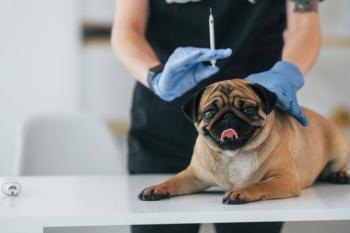
This week: a first-of-its-kind feline hypertension approval, an experimental injectable for flat-faced dogs, and a sweeping new look at cancer genes in cats.

The new formula aims to address two common issues simultaneously.

The latest updates relating to animal care establishments and platforms.
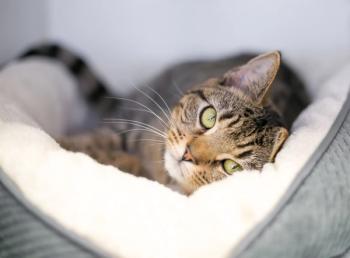
After years of off-label use, veterinarians now have the first FDA-approved amlodipine formulation specifically indicated for cats with systemic hypertension.
Veterinary medicine is a physical job, yet most practices lack a system to support that reality. This episode breaks down what a durability system actually looks like and how to integrate it into the daily demands of a busy clinic.
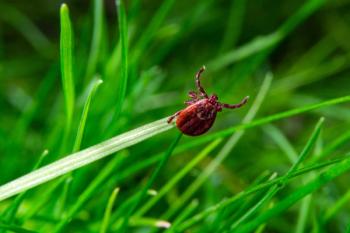
Tick risk is no longer seasonal—Susan E. Little, DVM, PhD, DACVM (Parasitology), explains what’s changed and how to protect patients year-round.
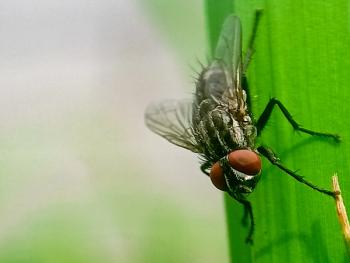
A US Environmental Protection Agency emergency exemption is allowing US officials to import Tanidil as part of a growing federal response to prevent New World screwworm from entering the country.
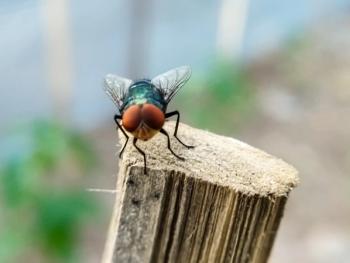
The authorization adds to a growing list of treatments cleared under emergency use as federal agencies ramp up efforts to prevent New World screwworm from reestablishing in the United States.
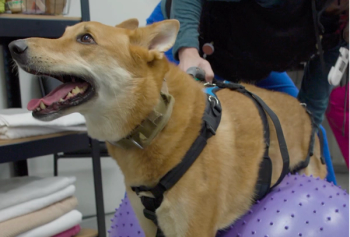
A 9-year-old male German Shepherd mix suffered a spinal cord injury likely due to a fibrocartilaginous embolism or intervertebral disc disease.