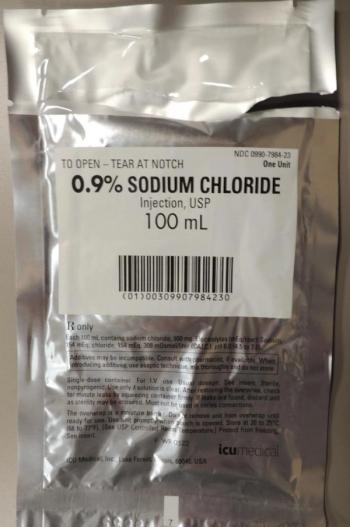
One lot of 0.9% sodium chloride injection may contain bags of concentrated potassium chloride, a mix-up the manufacturer says could cause serious or fatal adverse events.
A newly conditionally approved treatment for a painful neurologic condition in dogs, the first detection of pseudorabies in US commercial swine in more than 20 years, and a nationwide raw pet food recall over Salmonella contamination.
A look at 3 recent developments in animal health.
The FDA has conditionally approved pregabalin chewable tablets (Liavium-CA1; TriviumVet) for the management of pain and clinical signs associated with Chiari-like malformation (CM) and syringomyelia in dogs. The product is the first drug approved specifically for this indication.1
The approval was granted to Ireland-based TriviumVet under the FDA’s conditional approval pathway, which is reserved for drugs intended to treat serious or life-threatening conditions, address unmet animal health needs, or require particularly complex studies to demonstrate effectiveness.1
CM is a genetic condition in which a dog’s skull is too small for its brain, causing the cerebellum to protrude through the base of the skull. This can disrupt cerebrospinal fluid flow and lead to syringomyelia, a painful condition involving fluid-filled cavities within the spinal cord. Clinical signs may include altered sensation, pain, vocalization, touch sensitivity, and the characteristic “phantom scratching” behavior.
Pregabalin targets nerve-related pain by reducing the release of neurotransmitters involved in pain signaling within the spinal cord. The drug is administered orally twice daily with food and is available by prescription only. Dogs weighing less than 3 kg (6.6 lb) cannot be accurately dosed with the product.
Conditional approval means the FDA has determined the drug is safe and has a reasonable expectation of effectiveness while additional data are collected to support full approval. TriviumVet has up to 5 years to complete those studies.
Pseudorabies virus (PRV) has been detected in US commercial swine for the first time since 2004, when the disease was considered eradicated from the industry.
Five boars at a small swine facility in central Iowa tested positive after being shipped from an outdoor herd in Texas. According to officials, the Texas herd had contact with feral swine, which remain a known reservoir for PRV in the United States.2
The infected boars showed no clinical signs and were identified through routine surveillance testing. No additional pigs within the commercial facility tested positive, which Iowa State Veterinarian Jeff Kaisand, DVM, said is a strong indication the virus did not spread internally.2
Still, pigs onsite will be depopulated per state protocol, and testing is underway at swine facilities within a 5-mile radius of the affected farm. Officials said the detection does not pose a risk to consumer health or the safety of the commercial pork supply, though short-term export impacts may occur.
Pseudorabies is a highly contagious herpesvirus that can be fatal in pigs, particularly younger animals. There is currently no treatment available.
Albright’s Raw Pet Food has voluntarily recalled one lot of its Chicken Recipe for Dogs Complete and Balanced after FDA sampling detected Salmonella.
The recall affects frozen 1-lb bricks packaged in clear vacuum pouches from lot code C001730 with a best-by date of April 28, 2027. According to the FDA, the product was distributed directly to consumers nationwide, through online sales, and to a limited number of retailers in several states.3
The recall followed routine FDA sampling in which one composite sample tested positive for Salmonella. Testing for Listeria monocytogenes and Escherichia coli was also conducted.
No illnesses in pets or humans have been reported as of the announcement. Albright’s said it is proceeding with the recall while additional testing and evaluation continue.
Salmonella can cause illness in both pets and humans handling contaminated food or surfaces. Consumers are advised not to feed the affected product and to safely dispose of any remaining portions from the recalled lot.
References