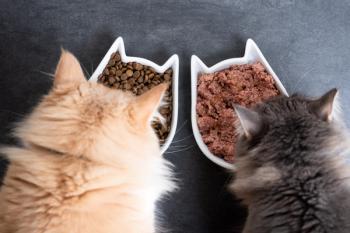
A new analysis detected heavy metals, glyphosate, and plastic-related chemicals in nearly all of the cat foods tested. This slideshow breaks down the findings, what they may mean for cats, and what remains unclear.
The CDC has documented the first known cat-to-human transmission of H5N1 avian influenza, a new injectable monoclonal antibody for itchy dogs has launched, and a recall involving more than 180 raw dog food products linked to reported pet illnesses has led a company to completely stop production.
A look at three recent developments in animal health.
A CDC-led investigation has documented serologic evidence of transmission of H5N1 highly pathogenic avian influenza from a domestic cat to a human.
The case involved an asymptomatic veterinary professional in Los Angeles County who was exposed to a cat infected with H5N1 after the animal consumed raw milk, raw meat, or raw pet food products.1
The findings were published in the CDC’s Morbidity and Mortality Weekly Report, based on an investigation conducted by the Los Angeles County Department of Public Health and CDC.
Among 25 exposed individuals who agreed to serologic testing, one veterinary professional had antibodies consistent with prior H5N1 infection. The individual initially tested negative following exposure, but blood testing months later detected evidence of earlier infection.
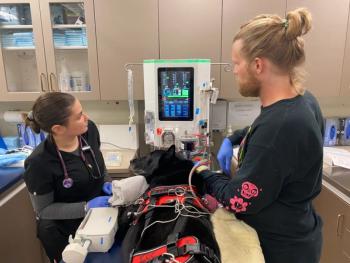
Investigators reported the veterinary professional had no other known risk factors and staff members at the facility did not wear personal protective equipment (PPE) during examinations. The person also did not report flu-like illness.
The infected cat was part of a cluster of 19 domestic cats that became ill between November 2024 and January 2025 after consuming commercially purchased raw animal products. Nine tested positive for H5N1, and 14 died or were euthanized.
CDC authors emphasized that the overall risk to the public remains low and there is no evidence of sustained human-to-human transmission, but the study notes that transmission from domestic cats to humans had not previously been documented.
Officials continue to advise against feeding cats raw milk or raw animal products and recommend veterinary use of PPE when managing suspected cases.
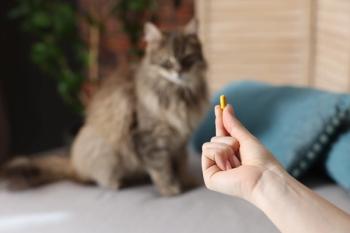
A new monoclonal antibody injection for canine allergic and atopic dermatitis is being introduced in the United States following USDA approval in late 2025.2
The therapy, tirnovetmab (Befrena; Elanco Animal Health), targets interleukin-31 (IL-31), a key cytokine involved in transmitting itch signals to the brain. By neutralizing IL-31, the treatment is designed to reduce pruritus associated with allergic skin disease in dogs.
According to the company, clinical effects may begin within 24 hours, with dosing intervals of approximately six to eight weeks.
A raw frozen dog food company has stopped production after a contamination investigation led to a recall now covering more than 180 products.3
Raaw Energy was first flagged in January 2026 after state testing of unopened samples linked to a consumer complaint detected contamination with Listeria monocytogenes. Some samples also tested positive for Salmonella and Campylobacter. Affected products were distributed to customers in Connecticut, Delaware, Maryland, Massachusetts, New Hampshire, New Jersey, New York, Pennsylvania, and Virginia.
At the time, the FDA issued an advisory recommending a recall and said the company had not taken what it considered adequate action.
On May 22, 2026, following additional testing by New Jersey and Connecticut agriculture officials that identified Listeria in multiple samples, the company announced a recall that includes all products manufactured between July 17, 2025, and December 23, 2025, plus an additional lot dated March 31, 2026.
According to the FDA, the federal agency has received additional consumer complaints involving animals that became ill after eating the recalled food since the agency’s January advisory.
The company stopped all production on May 21 while it announced plans to sanitize production areas, clean drains and sewer lines, and purchase a pathogen detection system to test every batch going forward.
Officials warn that infected pets can shed bacteria even if they appear clinically normal, creating potential exposure risks in households. Freezing does not eliminate bacterial contamination.
Consumers are advised to discard affected products and thoroughly disinfect any surfaces or items that may have come into contact with the food.
References