

News|Podcasts|July 30, 2026
Advanced Modalities in Wound Management: Evidence-Based Strategies Through the 4 Stages of Wound Repair
Fact checked by: Tracy Ann Politowicz

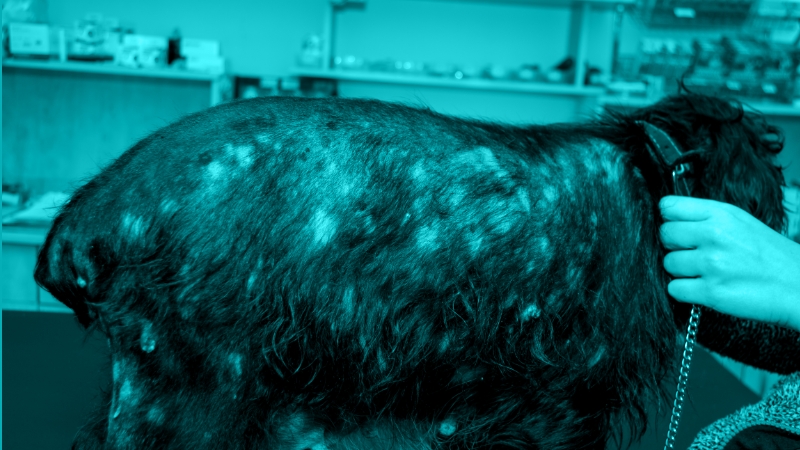
This episode of The Vet Blast Podcast presented by dvm360 dives into practical wound management for small animals and horses, from when to close vs leave open, to tackling chronic nonhealing wounds, dead space, degloving injuries, and more.
Advertisement
Advertisement
This episode is sponsored by NovaQuis Animal Health.
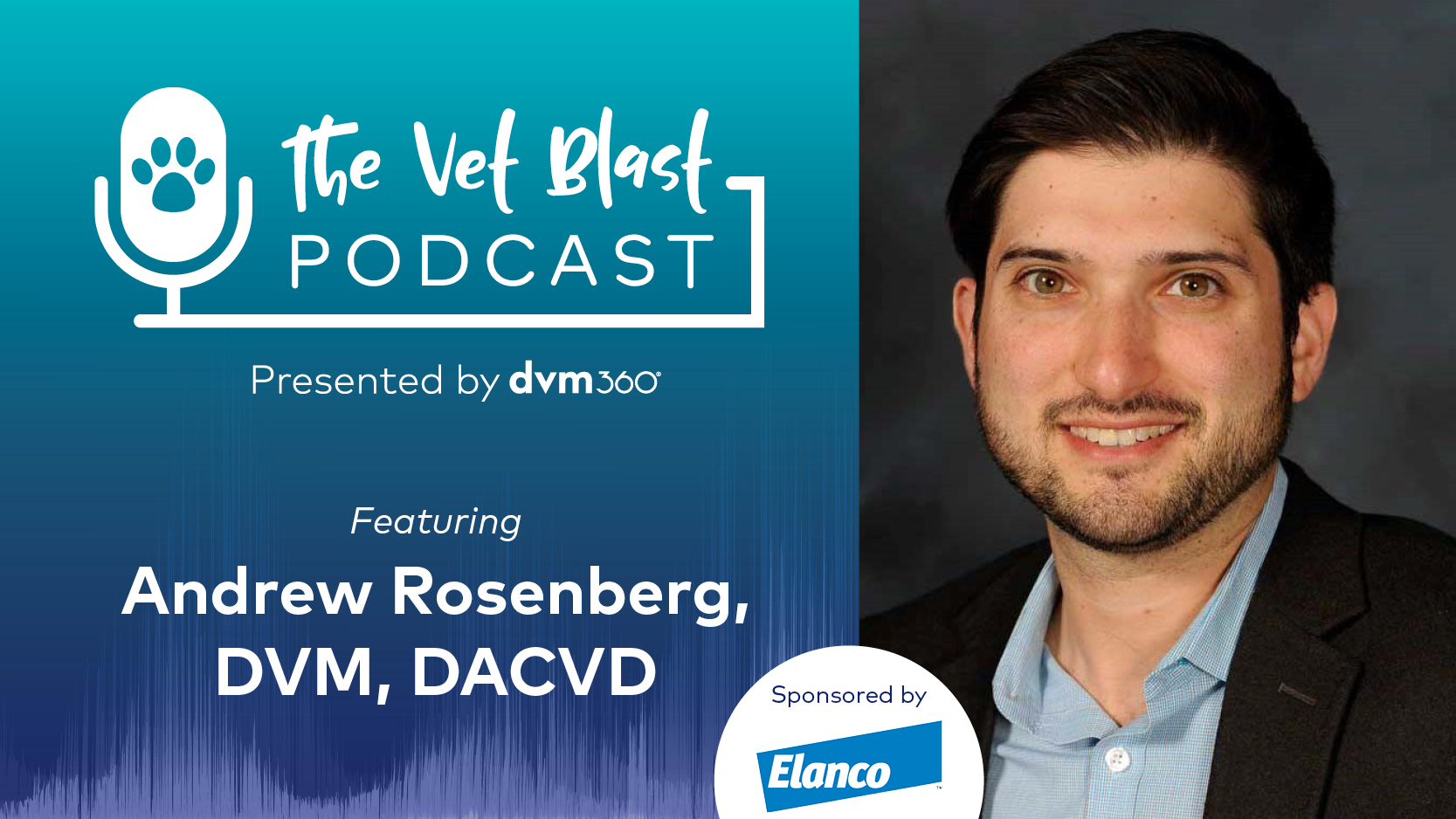
On this episode of The Vet Blast Podcast presented by dvm360, recorded live at Fetch Nashville, our host, Adam Christman, DVM, MBA, welcomes Kelly Sovey, DVM, CVA, and Karl C. Maritato, DVM, DACVS-SA, to discuss wound care innovations. Throughout the episode, the trio takes listeners on a deep dive into the 4 critical stages of wound repair, as well as providing a structured road map for navigating all the biological milestones surrounding wound management.
They discuss the benefits of moist wound healing, the challenges of traditional bandaging, and the role of advanced wound care products in improving patient outcomes. Plus, they explain what exactly ScafiGen is, and how it can potentially improve outcomes and owner compliance at practices.
The following transcript has been edited lightly for clarity.
Adam Christman, DVM, MBA: So, Kelly, what is it? What is ScafiGen? Here, I'm going to give you the box so that you can show them what's in it, how it works, and all that.
Kelly Sovey, DVM, CVA: It's a 3D extracellular matrix wound gel. It is a hydrogel as well. It's very easy to apply…but it comes in very nicely with the applicator tip, where you can apply it, owners can apply it, and you can also take it off to apply to larger wounds by having [it] more open. It's clear [and] it's also not toxic, so…if you're not using it with a bandaging technique, which you certainly can, but if you're not, and the animals do lick it, or you have children in a home that get into something, you don't have to worry about it having other effects [or] unintended effects on that patient.
[I used it, and] I had very good owner compliance with it. They thought it was very easy to apply… The animal didn't react in the ways that [they do with] some of our other topicals and things. It's not a spray where they're scared of being spritzed with something, so it was very comfortable for most owners to feel that they could do this at home, and also not be afraid that they were continuing to hurt their patient.
Christman: I want to talk more about this, too, the pet parent variable, because it's a huge component when we're talking about wound management and follow-through and rechecks. We can perform all these complex procedures in the clinic, but then the patient goes home to a pet parent who may struggle with complex protocols or bandage tolerance, or the instructions are just so complex.
In your experience, how does moving to a structured framework on day zero change the efficiency of the clinic by reducing the management complications and constant rechecks that often stem from poor at-home compliance?
Sovey: Yeah, again, for me, it's been because people don't want to come back for the bandage changes. You have people who are afraid to look at blood or open wounds or things at home. They think they know sometimes what's better. Honey, coconut oil seems to still be a fad. Putting that on everything.
Karl C. Maritato, DVM, DACVS-SA: [Also] peroxide.
Sovey: Peroxide, yes. Putting that in ears and on wounds and [then you’re] trying to educate them that they've actually slowed down our healing process. I can't imagine what your pet is feeling, but looking at some of these 3D matrices, these hydrogels have certainly helped with some compliance because I don't have people complaining about bandage changes. I don't have people complaining that they have to come back for further care. We can set up a more structured framework.
I utilize a lot of people using our email. Send me pictures, keep me posted. Let me see this progression, apply it twice a day, [and] send those pictures in, and if we need you to come back in, we will do that.
We've had a lot more of our pet parents be much more compliant because they feel we're trying to work with them and help their pet, not just take their money because we all get accused of that—we're just here to make money when we're not. So that's where I see these helping more with that compliance at home.
Listen to the full episode now, which includes images from real-life case studies using ScafiGen, and more.
Advertisement
Related Content
Advertisement



Latest CE












Advertisement
Advertisement
Trending on dvm360
1
Texas couple sentenced for selling smuggled veterinary drugs and pesticides
2
American Regent recalls 3 lots of epinephrine injection over particulate matter and cracked vials
3
Federal judge dismisses Lincoln Memorial University's antitrust lawsuit against the AVMA
4
Girl Scouts add first cookie made for dogs to 2027 lineup
5