










A new equine parvovirus found within equine tetanus antitoxin was associated with serum acute hepatitis, raising concerns abouse the use of equine biological products.
A new equine parvovirus found within equine tetanus antitoxin was associated with serum acute hepatitis, raising concerns abouse the use of equine biological products.

Purina Pro Plan Veterinary Diets were developed specifically for cats with early and advanced stages of chronic kidney disease.

Dana L. Brooks will assume of the role of president and CEO for the Pet Food Institute.

In the first study of its kind, researchers have found that most product labels for canine treats don’t provide sufficient nutrient information and can far exceed recommended daily energy allowances.

Unlike violence against humans, government agencies do not currently collect comprehensive data on animal abuse cases, making it difficult to determine exactly how pervasive the problem is—but that is changing.

Vivos Inc. received FDA notification that RadioGel is classified as a device for animal therapy. The product will be marketed as IsoPet for use by veterinarians.

WSAVA has announced the appointment of its first CEO, Arpita Bhose, who will lead the association in its work to advance the health and welfare of companion animals around the world.
An overview of the current thinking, including when to initiate antiepileptic drugs, supportive care for patients with status epilepticus, and long-term seizure control.

In response to concerns regarding the health and well-being of squirrel monkeys being used in a nicotine study, the FDA has permanently terminated the research.
Research in dogs is informing the design of cancer studies in people, particularly with respect to immunotherapy.
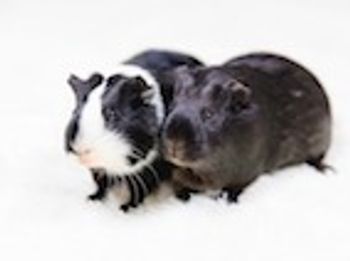
Although guinea pigs showed high resistance to R equi infection, investigators believe they may still serve as a useful animal model for certain aspects of the bacterium.

How sensitive, specific, and accurate is lymph node cytology in the diagnosis of canine and feline neoplasia?

Researchers have determined that mothers and fathers adjust their infant- and dog-directed speech according to social context and parental gender.
Veterinarians who suspect clients of mistreating their pets should tread lightly, gather and document evidence carefully, and collaborate with law enforcement.
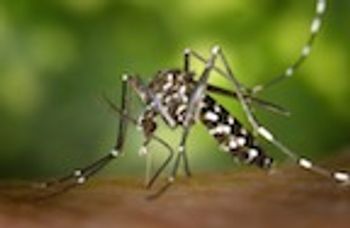
Aedes aegypti mosquitoes can transmit Zika virus during mating, potentially contributing to its maintenance and spread in nature.

UK pharmaceutical development company Quay Pharma has just been granted access to begin developing pharmaceutical products specifically for veterinary medicine.
Rethinking your approach to the physical exam and incorporating some simple changes can have a monumental effect on patient and owner stress during visits.
Veterinary professionals who keep their work and personal lives separate improve both their health and many aspects of their practice.

Phyto Animal Health, a subsidiary of Medical Marijuana, Inc., launched with CBD hemp oil products targeted to cats, dogs, and horses.

After counting the number of cortical neurons in 8 diverse carnivorous species, researchers found that dogs possess significantly more than cats. But it’s raccoons that reign supreme.
Radiographs are integral to the diagnosis of many conditions in pet birds, but obtaining high-quality images can be difficult in these species.
Proper phone etiquette in veterinary practice is good customer service and necessary for success. Here’s a look at what not to do.

Credelio, marketed by Elanco Animal Health, has been approved for the treatment and control of flea and tick infestations in dogs.

The number of obese pets has increased every year for the past 6 years, and this trend shows no signs of abating.

An unprecedented study has discovered that honey bees are, in fact, the most important and frequent floral visitor in natural habitats worldwide.
Easy-to-administer ectoparasiticides that offer enduring protection increase adherence and provide better protection for pets.
A competitive compensation package that includes appealing incentives can help attract and retain elite talent.
We would love to publish it! If you have any clinical tips or shortcuts to share to make life a little easier for your veterinary colleagues, send them to us. We pay $50 for clinical tips we publish online or in print.
Youve got the coolest new idea for fixing a problem in practice: hiring, firing, helping clients pay, whatever. Share it. If we love it, well share it with the world and give you $50.
