

It's never easy to be the bearer of bad tidings. But you can ease the hurt clients feel with a sensitive approach. Here's what you need to know to break bad news gently.
It's never easy to be the bearer of bad tidings. But you can ease the hurt clients feel with a sensitive approach. Here's what you need to know to break bad news gently.

In the wake of the devastating California wildfires that displaced more than 250,000 people and many more animals, pet owners should be more aware than ever that they need a plan for their animals during an emergency. You can help by getting your clients the information they need.
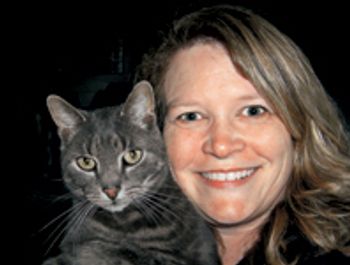
An angry client taught me to probe deeper to uncover the real reason behind his seemingly unreasonable behavior.
For clients who believe their pet won't get lost or feel a collar and tag sufficiently identify their pet, Paige Phillips, RVT, a Firstline Editorial Advisory Board member, suggests sharing these examples of how a microchip can save the day-and their pet's life:

Q How can we prepare clients for unexpected costs that result from problems found during dental cleanings?

A doctor looks to shorten his ring time.

Q. How can I get the most out of my practice's open house?
Some clients accept. Some nod a lot and disregard your advice. And some nod a lot, then go home to check for themselves. As frustrating as this last set can be, many pet owners who seek pet health information online are conscientious clients you want to hang onto.

An effective e-mail program gives your practice a high-tech image, says author Ralph Laurie.

Q When I discuss client education topics, I feel like clients are tuning me out. How can I make them listen?
Use this client education form to answer clients' questions about microchips.

Mrs. Busibodi's eyes say she's examining your tastefully displayed practice brochure, but her dog-like hearing is tuned to eavesdrop so she can catch all the juicy details about Mr. Neverpay's past-due account.
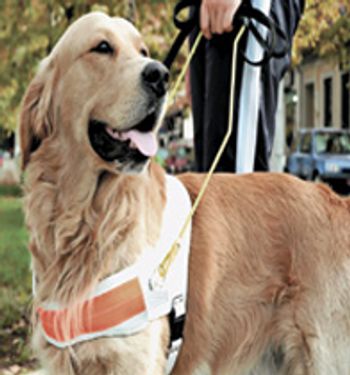
Use these tips to tune in to the needs of your clients with disabilities-and help them offer top-notch care for their animal companions.

They're the situations you dread.

Pet owners are clearly learning about nutrition. But where are they getting their information? Brian Conrad, practice manager at Meadow Hills Veterinary Center in Kennewick, Wash., worries that it's not from you.
2008 Rates
List of stories written by authors whose last name starts with A-F in January through December of Veterinary Economics.
List of Managing Smart stories in January through December of Veterinary Economics.
List of stories written by authors whose last name starts with O-R in January through December of Veterinary Economics.

Send your team home on time and impress clients by replacing old-fashioned callbacks with e-mails and text messages.
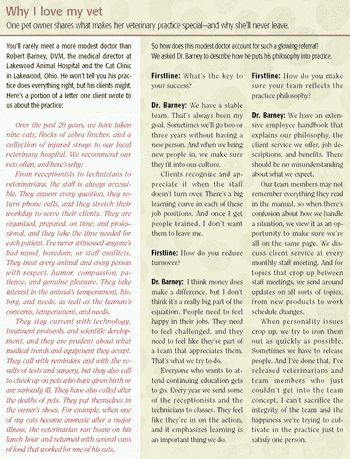
Six pet owners tell their stories about why they left veterinary practices. Learn from their experiences--then use these tips and tools to avoid critical client care mistakes.
Grab clients' attention and encourage compliance by using descriptive terminology, suggests Sharon DeNayer, a Firstline Editorial Advisory Board member and the practice manager at Windsor Veterinary Clinic in Windsor, Colo.

Older clients may need a little extra care and attention to ensure a happy veterinary experience. Here's what you can do to help them help their pets.

How can our team members encourage clients to submit fecal samples?
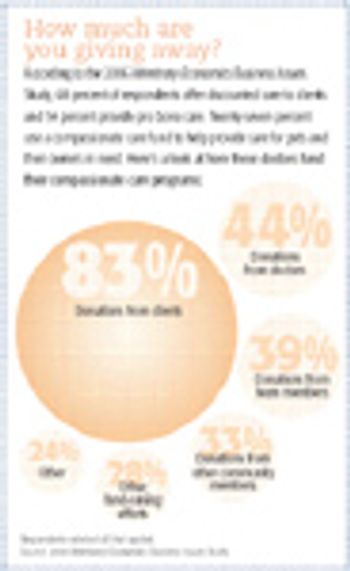
They want help, and you want to give it. Learn how to launch a compassionate care fund and generate money for your pets and clients in need.
Don't get nailed by this tough client question. Learn how to give the answer clients are looking for.
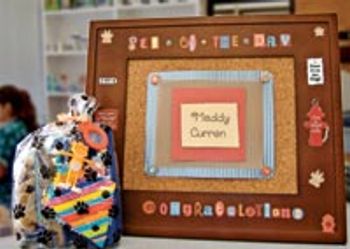
Pets at VCA Tanglewood Animal Hospital in Austin, Texas, don't need to be the next Bark Pitt or Catty Holmes to receive star treatment.
Check your facility against the Americans with Disabilities Act regulations.
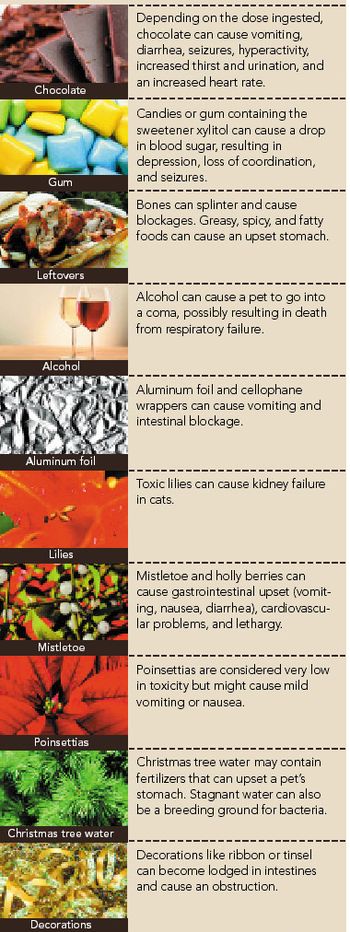
Remind clients of these potentially hazardous holiday items around the house.
There's an entire chapter on veterinary hospital etiquette in The Miss Fido Manners Complete Book of Dog Etiquette by Charlotte Reed.