







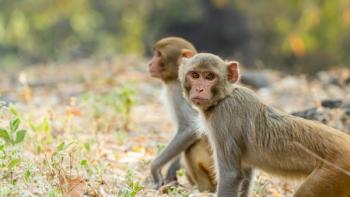
A naturally occurring gene mutation in rhesus macaques closely replicates autosomal dominant optic atrophy, a rare genetic optic neuropathy in humans, giving researchers a new model to study vision loss in humans and potential therapies.
A naturally occurring gene mutation in rhesus macaques closely replicates autosomal dominant optic atrophy, a rare genetic optic neuropathy in humans, giving researchers a new model to study vision loss in humans and potential therapies.
Early signs, late care, and the canine patients falling through the cracks: Mikayla Mayland, DVM, DACVS, weighs in on closing the canine osteoarthritis gap with host Adam Christman, DVM, MBA.
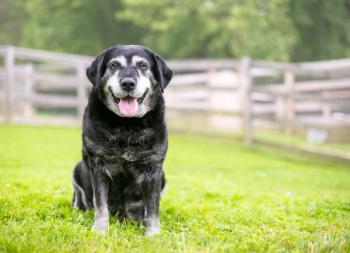
How Do I Say... ? The author provides scripts for confident conversations that can help veterinary teams improve communications with clients.
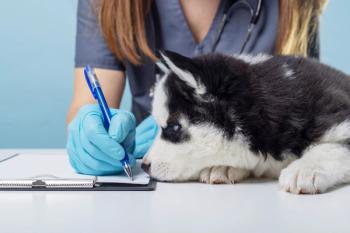
Discover how well-trained veterinary assistants streamline patient flow, reduce stress, and boost hospital efficiency.

Check out these sneak peeks into interviews recently done for Caitlin’s Corner.
A dog in Knoxville, Tennessee, ingested 80 to 90 phenobarbital tablets belonging to a visiting pet and was found unresponsive by her family.
Learn why the unique avian respiratory anatomy make breathing efficient yet infection-prone, plus how CT imaging detects subtle respiratory disease earlier than x-rays.
May 20 annually raises awareness about the role of pollinators in maintaining a healthy planet.
The new guidelines are the American Animal Hospital Association’s first recommendations to focus on feline diabetes.
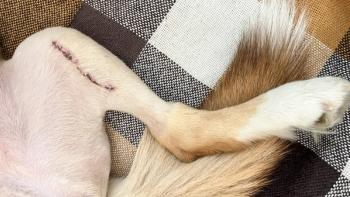
Meniscal-sparing HTO achieved similar long-term owner-reported outcomes, with late meniscectomy needed in 5.5% of canine stifles.
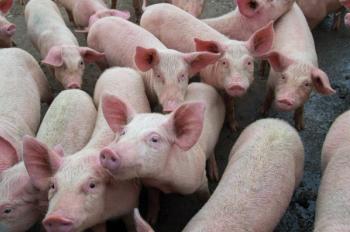
The first US commercial pseudorabies case in more than 2 decades has triggered surveillance, depopulation, and biosecurity measures in Iowa and Texas.

Zoetis' doramectin injection is now indicated for use in dairy cows, horses, sheep, swine, and deer to help mitigate NWS myiasis.
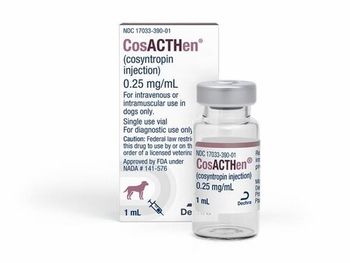
CosACTHen by Dechra is indicated for the evaluation of adrenal function in dogs.

New leadership moves, recognition, and achievement.
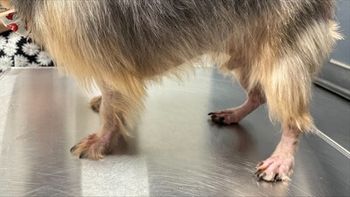
Tirnovetmab (Befrena; Elanco) injection received USDA approval in late 2025.
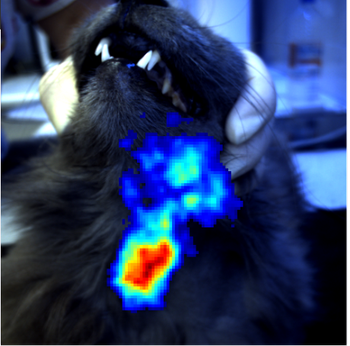
A portable gamma–optical camera brings point-of-care thyroid imaging into veterinary practice, with a new hybrid system used in Greece to evaluate cats with known or suspected hyperthyroidism.

Here is a sneak peek at this week’s headlines.

CareCredit funding will help college puppy raisers cover medical costs for future Canine Companions service dogs.
A multimodal, individualized approach to the treatment and prevention of osteoarthritis in dogs and cats is necessary to minimize pain, preserve function, and optimize quality of life.
A newly conditionally approved treatment for a painful neurologic condition in dogs, the first detection of pseudorabies in US commercial swine in more than 20 years, and a nationwide raw pet food recall over Salmonella contamination.
A public health investigation documented the transmission, but risk continues to remain low.

Owner-reported data from the Dog Aging Project reveal that the vast majority of US dogs exhibit some degree of fear or anxiety—findings with real implications for clinical practice.

Here are this week’s headlines.
A slideshow on what veterinarians should know about recognizing, diagnosing, and managing OA in dogs, with insights from Kristin Kirkby Shaw, DVM, PhD, MS, DACVS-SA, DACVSMR.

Learn some obstacles veterinary professionals face when trying to diagnose heart murmurs in their clinics in this dvm360 interview.
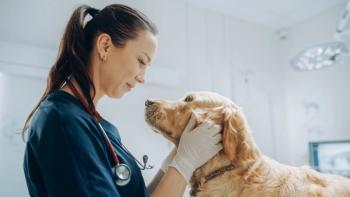
New Lap of Love–Veterkin partnership gives nontraditional veterinarians affordable medication, diagnostics, equipment, and perks to care for their own pets.

Following a successful 6-month feeding study, the FDA has issued a letter of no objection for a precision fermentation-derived lamb protein developed for use in adult dog food.
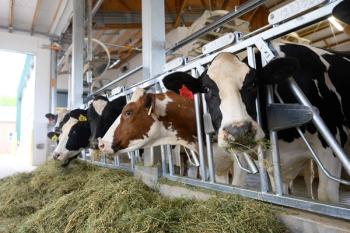
Two new studies deepen the H5N1 picture in US dairy herds.
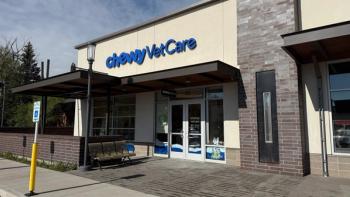
The latest updates relating to animal care establishments and platforms.