





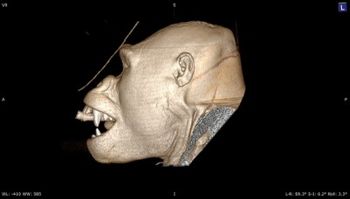
The case, believed to be the first of its kind reported in a gorilla, drew on techniques adapted from human ear and skull base surgery.
The case, believed to be the first of its kind reported in a gorilla, drew on techniques adapted from human ear and skull base surgery.

The 3-diet portfolio comes as interest in fresh food continues to grow among pet owners.
Cyclospora cayetanensis is all over the headlines amid a 2026 national surge and a Midwest outbreak. So should veterinary teams be worried about dogs and cats as carriers, reservoirs, or patients?

A study of 87 free-roaming cats trapped through a New York City TNR program found more than half infected with at least 1 endoparasite—and identified juvenile males as high-intensity "super-shedders" of roundworm eggs.
Did you know that dvm360 is launching a new podcast?
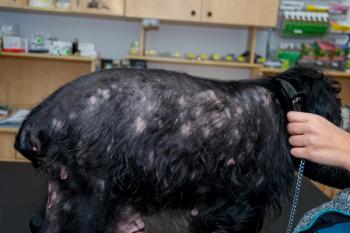
A dvm360 interview with Christina M. Gentry, DVM, DACVD, and Lori Teller, DVM, DABVP, about their new research surveying veterinarians about canine atopic dermatitis.
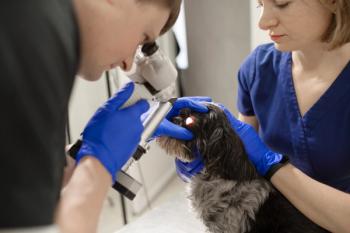
Explore why a veterinary ophthalmologist prioritizes targeted corneal ulcer care, from smart sampling and antibiotics to NSAIDs, photos, and timely rechecks.

Pharmacists can help protect dogs from UV-related skin damage and skin cancers by educating pet owners on safe sunscreen selection, the importance of avoiding toxic human sunscreen ingredients, and effective sun protection alternatives.

Clients who question vaccines are usually worried about their pet’s health and safety and are not trying to be difficult.

Anita Patel, DVM, senior director of clinical excellence at IndeVets, discusses the challenges of navigating organizational change, from aligning values and goals to supporting teams through periods of transition.
Dilara Kiran, DVM, MS, explains why policy engagement extends beyond federal government, highlighting opportunities for veterinary professionals to influence decisions within their practices, communities, and the broader profession, in this interview from the 2026 AVMA Convention.
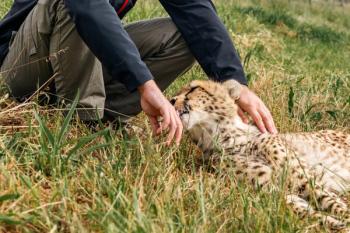
Disney's vice president of Animals, Science and Environment made the case that the best animal care happens with animals, not to them, and that no one achieves it alone.
Do feline diabetes diets need to change when a cat starts an SGLT2 inhibitor? Ellen Behrend, VMD, PhD, MS, DACVIM (SAIM), discusses what veterinarians should consider when balancing dietary recommendations, gastrointestinal adverse effects, and DKA concerns.
Concerns about diabetic ketoacidosis, ketone monitoring, and cost may prevent some veterinarians from considering SGLT2 for cats with diabetes. Ellen Behrend, VMD, PhD, MS, DACVIM (SAIM), discusses what monitoring is needed and how reduced monitoring requirements may help make these medications more affordable for owners.

At the 2026 AVMA Convention, Will P. Rausch, DVM, DACVIM (Cardiology), discussed where NT-proBNP fits in feline cardiomyopathy screening and why the test should be used as part of a broader diagnostic approach.

Here are this week's headlines

The AVMA Council on Education has granted full accreditation to Arizona's first and only public veterinary college, which has graduated more than 300 veterinarians since 2023.
On the latest episode of Vet Watch from dvm360, parasitologist Kathryn E. Reif, PhD, MSPH, separates science from panic on New World screwworm—from myths and clinical signs to sterile fly production and food safety.

More than 700 continuing-education sessions run across 5 days, July 10–14. Here are the ones to circle first, sorted by practice area, plus a handful that are easy to scroll past and worth catching.
Whether you practice in an affected region or hundreds of miles away, this episode delivers the surveillance, reporting, and prevention guidance you need, with the right level of urgency.
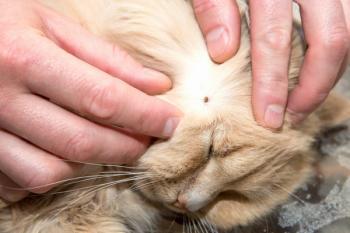
A fatal feline case near Oklahoma City spotlights cytauxzoonosis, a fast-moving, often-lethal tick-borne disease with a narrow treatment window.
In Part 2 of this miniseries, Jennifer Edwards, DVM, ACC, CPC, ELI-MP, discusses how reclaiming agency, setting parameters, and understanding personal limits can help veterinary professionals protect their well-being.
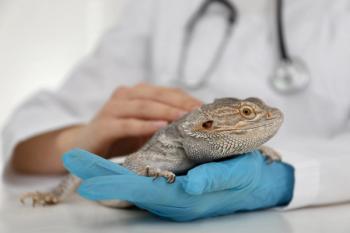
The strategic plan from the CVM aims to close persistent treatment gaps for underserved animal populations, from sheep and fish to dogs and cats with rare diseases.

A comparison of the 2025 and 2026 AVMA Convention programs reveals a growing focus on affordability and access, alongside increased programming on New World screwworm, disaster preparedness, and veterinary practice ownership.

Texas A&M researchers detected Rickettsia typhi and Bartonella species in fleas pulled from domestic cats in the Rio Grande Valley, reinforcing the case for year-round parasite control.
Christina M. Gentry, DVM, DACVD, and Lori Teller, DVM, DABVP, discuss what their new survey of 718 North American veterinarians reveals about how cost and knowledge gaps shape everyday CAD care.

Conflict with clients doesn't have to end in a shouting match at the front desk.

In a longitudinal study of 88 senior dogs, thoracic limb stride length tracked owner-reported cognitive impairment even after accounting for age and pain—pointing to a simple, scalable mobility marker for geriatric monitoring.
Tripp Oliphant, DVM, reflects on how experience, repetition, and teamwork helped build his confidence in emergency medicine and shaped his interest in managing complex critical care cases.
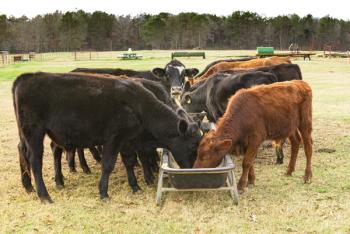
Sid Miller says injectable treatment alone can't protect large herds or wildlife as the parasite spreads across Texas counties.