









Not all spays and neuters are "routine." Cryptorchids, hermaphrodites, uterus unicornis, mammary hyperplasia and lactation may present surgical challenges, but approaches to each of these unusual cases are actually quite simple.
Not all spays and neuters are "routine." Cryptorchids, hermaphrodites, uterus unicornis, mammary hyperplasia and lactation may present surgical challenges, but approaches to each of these unusual cases are actually quite simple.
Exocrine pancreatic insufficiency (EPI) is a syndrome, which is caused by insufficient synthesis and secretion of digestive enzymes by the exocrine portion of the pancreas, leading to insufficient activity of digestive enzymes in the lumen of the small intestine.
Hip dysplasia is an abnormal development of the coxofemoral joint. The syndrome is characterized by subluxation or complete luxation of the femoral head in the younger patient while in the older patient mild to severe degenerative joint disease is present.
Management of articular cartilage lesions is based on the concept that providing blood with mesenchymal stem cell precursors access to the lesion encourages healing by formation of fibrocartilage. Several marrow stimulating techniques have been described to achieve this.
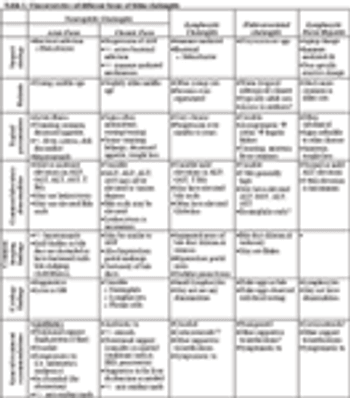
Inflammatory disease has been reported to be the second most common category of liver disease in cats in the US (after hepatic lipidosis). However, within this category, there are a number of different pathologic patterns that may represent different stages of disease or even potentially separate disease conditions.
Cobalamin (vitamin B12) is a cyclic tetrapyrrol that contains a corrin ring with a cobalt atom in the center. Cobalamin is actually made up of a group of compounds and is exclusively derived from bacterial sources. The biologically active forms of this vitamin are methylcobalamin (required for methyl-group transfers) and adenosylcobalamin (required for adenosyl-group transfers), but there are other molecules that belong to this group of vitamins, such as hydroxocobalamin or cyanocobalamin.
Insoluble calcium oxalate plants are very commonly kept as houseplants.
In this session we will take an evidence-based medicine approach to ancillary therapy of bovine respiratory disease, bovine toxic mastitis, bovine neonatal enteric disease, and retained placenta/metritis. The literature reviewed here is not presented as being all-inclusive, but rather as a summary of many commonly cited articles on these subjects.
Please note: this calendar is only designed to serve as an aid in designing a herd/flock health program. Adjustments should be made according to specific animals health needs, production goals and climate.
Myths, or 'old wives tales' have always been prevalent in veterinary medicine. We hear these commonly in practice (I know he's sick 'cause his nose is warm.
Diagnostic procedures
Cats handle drugs in a different fashion than dogs. While this is not a surprise, there are some drugs that every practitioner should be aware of that work really well for their feline patients. The focus of this discussion will be to highlight these drugs and their uses, showing why they deserve to be in the feline medicine cabinet.
Beef production is shifting toward a consumer focus and new areas are achieving more attention including: individual animal identification, value-based marketing, food safety, as well as source, process, and age verification.
Forelimb lameness can often be a diagnostic challenge in sporting breeds and active family pets. Commonly the owner reports the presence of a long standing lameness which has not resolved with the application conservative treatment modalities such as physical therapy (rest, therapeutic ultrasound, aquatic therapy), NSAIDs, nutraceuticals, and other traditional modalities.
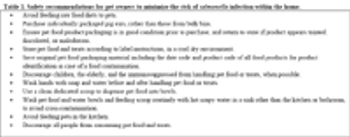
Multiple recalls of commercial pet food, treats, and supplements have occurred in the United States in the past several years, on account of potential contamination with Salmonella.
Selective serotonin reuptake inhibitors (SSRIs) all differ structurally, but have the same ability to inhibit presynaptic neuronal reuptake of serotonin.
Extralabel use of drugs in small ruminants can be a confusing issue, highlighted by complicated regulations, an openness for interpretation, and in individual animal's intended use. In this session, I will attempt to give an overview of the regulations regarding extralabel drug use in small ruminants, some guidance in decision-making, and resources I have found useful.
An absolute requirement for treating ketosis in cattle is to identify and treat the primary cause for the negative energy balance. Symptomatic treatment for ketosis without attacking the primary cause is doomed to failure.
According to Webster's dictionary, inflammation is defined as "a local response to cellular injury that is marked by capillary dilatation, leukocytic infiltration, redness, heat, and pain and that serves as a mechanism initiating the elimination of noxious agents and of damaged tissue."
The primary role of the immune system is to protect against infectious disease. The mechanisms employed vary in efficiency for intra- vs extracellular pathogens. Nonspecific immunologic resistance involves interferon – stimulates production of proteins with antiviral activity.
The triage examination is the initial and brief examination that occurs in the first few minutes after a patient presents to the emergency room. The triage examination is crucial to assessing a patient and determining if life-threatening problems are present. Point-of-care testing is a term used to refer to immediate testing in an emergency room.
Assessment and emergent treatment of the dyspneic cat is often considered one of the most difficult tasks of the emergency clinician. Underlying causes of shortness of breath can vary considerably, and must often be decided with only a history and a brief physical
Traumatic injuries of the respiratory system are fairly common in the dog and cat. Most of these injuries can lead to life threatening complications. It is important that the veterinary clinician be familiar with the clinical signs associated with these injuries and be prepared for aggressive intervention when required.
Health management can be a critical component in adding value to calves. Whether calves are sold at weaning, after pre-conditioning or backgrounding or retaining ownership through the feeding phase a health management program is important.
Cats with fevers (103? F-106? F) are a common occurrence in everyday practice. Most cases respond to antibiotic therapy or are self-limiting (abscesses, viral infections, post-surgical fevers). However, the most frustrating case is one in which a routine course of antibiotics does not improve the clinical condition of the cat, routine diagnostics do not identify the cause and the fever is ongoing.
A large focal right sided ping (>3" diameter) is due to an abnormality of the abomasum or large intestine. Rarely, post-parturient cattle with metritis may have a vague right sided ping in the right caudo-dorsal abdomen due to gas in the uterus.
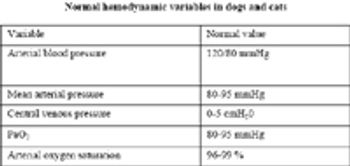
The ability to accurately assess your patient is a key feature of success for a veterinarian. Although the importance of proper patient assessment is applicable to all fields of veterinary medicine, it is most apparent for the emergency/critical care clinician who may need to make rapid decisions based on observations obtained in a very short period of time.
First compartment (C1) fluid examination is a diagnostic aid for animals exhibiting abdominal distension, reduced fecal output, anorexia, and abnormal first compartment texture or motility.
Antidotes can be divided into three broad catagories: chemical antidotes, pharmacologic antidotes, and functional antidotes. Chemical antidotes act directly on the toxicant to make it less toxic and/or more readily excreted.
A small intestinal dysbiosis is an alteration of the small intestinal microbiota in either composition or numbers. There are several different terms that describe similar clinical conditions: antibiotic-responsive diarrhea, tylosin-responsive diarrhea, small intestinal bacterial overgrowth (SIBO), and intestinal dysbiosis.
