This doctor's scheduling strategy minimizes problems caused by late and no-show clients

This doctor's scheduling strategy minimizes problems caused by late and no-show clients

To get pets eating appropriate diets quickly, this doctor offers clients a sampler pack of the therapeutic diets he recommends for cats with kidney disease.

Client surveys are limited to the extent that they only provide information on past performance.

The examination room can be a horridly stressful place. The stomach butterflies often begin before the veterinarian even walks in the door.

When a pet's physical exam is completed, the findings are recorded in the pet's record. Now, another person reading the record can see the findings.

Pastures that were dry and thin last year are now lush and green, thanks to a generally wet spring this year.

A client comes into the office with a printout of some Internet article claiming that veterinarians are recommending vaccines that are simply unnecessary. What do you tell this client? More importantly, how do you train your staff to handle this?

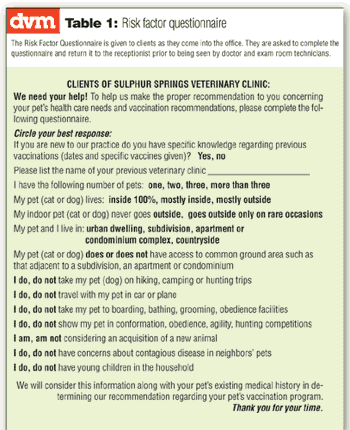
Risk Factor Questionnaire for Client

Dr. Jim Irwin schools you on how to provide clients with a thorough understanding on recommendations to increase the level of acceptance for care.

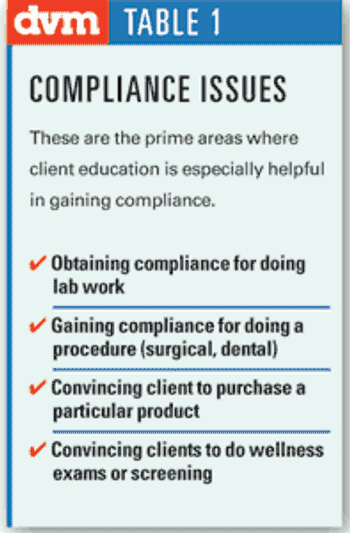
Dr. Thomas E. Catanzaro sifts through the misconceptions about compliance issues in practice.

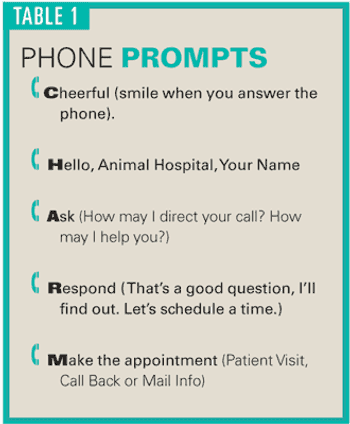
Dr. Marsha L. Heinke offers a lesson in phone etiquette to ensure your staff doesn't shut the door on clients even before they walk in.

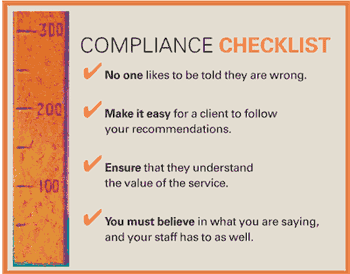
Dr. Linda Randall explores how the veterinary team can have a direct influence on whether or not a client will except a recommendation.

Asking the right questions critical during physical examination

While clients offer untold excuses as to why they fail to comply with heartworm recommendations and senior screenings, the blame sometimes belongs to the one giving - or not giving - the recommendation.

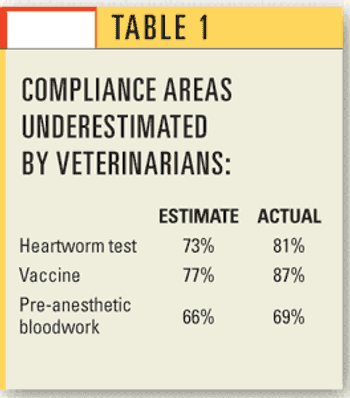
Most veterinary practices don't measure client compliance. Instead, a whopping 83 percent of compliance estimates are based largely on feel and, consequently, overestimated.

AAHA study proof positive that practitioners too passive, optimistic about client compliance

Create 'maximum opportunity' to follow doctor's orders; confused clients can't comply

Cleveland-Veterinarians say letting technicians take on some routine duties of farm calls can build a practice and improve healthcare delivery efficiency.

Isolated incidents of West Nile Virus in canines pose miniscule threat to dogs at large, practitioners conclude

The Greens appear unannounced as the staff is finishing the daily close out.

As veterinarians warm up to cyber communicating, are you exposing yourself to malpractice and other legal claims?

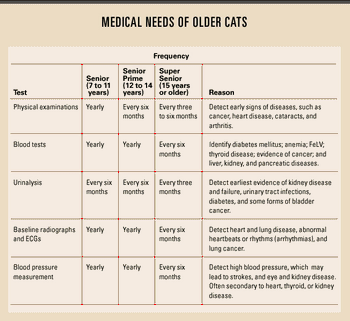
Dr. Fred Metzer details how to use your staff effectively to incorporate a senior care program and achieve client compliance.

Recently I interviewed a man for a job as manager of one of the Agway T.S.P.F.TM Heifer Farms. This position involves overseeing the care of 3,500 animals, supervising a staff of 13 people, adhering to a budget, and interacting with customers and potential customers.

Comprehensive approach to discussion arms client to make informed decision

Dr. Karen Overall prepares practitioners to handle common behavior problems of pets so they can offer training advice to clients.

Dr. Nan Boss shows how client education programs can lead to practice growth by offering new services and products.

Whether it is an unexpected accident or a planned euthanasia, veterinarians need to be trained on how to deal with the intensely emotional experience of death, experts say.

When a client goes ballistic, veterinarians need their own chaff to avert damage to the practice's reputation and the staff's well-being.

Canines and felines with diabetes mellitus require a considerable investment in time for both the client and clinician.

Mrs. Johnson awaits your entrance draping her head over her usually trembling rat terrier named Wiggles.