

Ever wish pets could schedule their own appointments and bring themselves in for care? The key to stopping client-created stress is to see your clients for the different breeds they are—and adjust your approach accordingly.
Ever wish pets could schedule their own appointments and bring themselves in for care? The key to stopping client-created stress is to see your clients for the different breeds they are—and adjust your approach accordingly.

I'm interested in continuing education and more job training, but every time I approach the doctor, she blows me off. What should I do?

Clients judge the quality and value your practice offers during the first three minutes of contact.

It's easy to overlook the problems that come with making clients wait. We think, "Hey, it comes with the territory." We make excuses. And we hedge our bets, knowing most clients only grow dissatisfied when they wait more than 30 minutes. But that approach won't wow clients. In fact, even a short wait may leave clients disgruntled. So it's an issue you should aim to manage.
After recent media coverage of canine influenza, you're likely to get some questions about this illness.

Meet Shelly Hiemer, CVT, with AMVET in Otsego, Minn.

The doctor doesn't recognize or appreciate me. How can I let her know everything I do?
Are you ready for a career move? Here's what to think about.

It only takes a little extra effort to make pet owners feel special. The benefit: happy, loyal clients who appreciate your care.

Dr. X is running behind–again. But you don't want to interrupt him in front of the client. Here's an easy solution: Get him a pager. Shelly Hiemer, CVT, a technician at AMVET in Otsego, Minn., says her doctor chose to carry one so staff members could notify him when problems arise without interrupting. Then they developed a message system to indicate the degree of emergency. For example, if the team pages the doctor with number 33, he has 10 minutes to wrap up and get to the next client. Number 66 means he only has five minutes, and 99 means it's an emergency.
Are you ready for a career move? Here's what to think about.

There aren't enough hours in the day to finish all of my duties. What should I do?

How do I convince the doctor that we're understaffed?
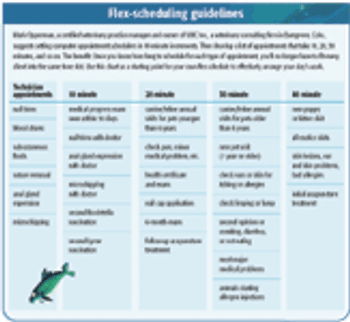
Use these timesaving tips to stay on schedule and keep your entire team afloat when disruptions threaten to throw your day dangerously off course.
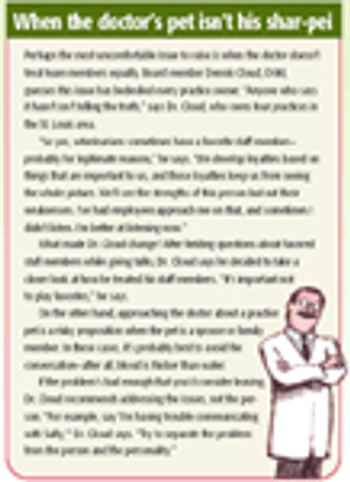
Favoritism, morale problems, unbearable associates–sometimes the doctor just doesn't see the issue. Use these strategies to clean off the doctor's rose-colored glasses, without making him or her mad.
My co-workers don't take responsibility for their duties, and I often end up picking up the slack. What can I do?
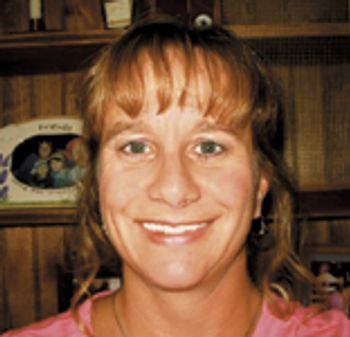
Getting to know Sheila Lewis, CVT
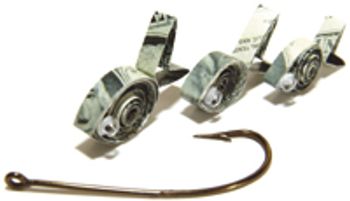
Don't let that next phone call be the client who got away. Use these tips from Sally Hickey, a receptionist at Short Pump Animal Hospital in Richmond, Va.

Between 7:30 a.m. and 9 a.m. chaos ruled in the front office at Catawba Animal Clinic in Rock Hill, S.C., says Hospital Administrator Jean Weaver. "All our dental appointments, surgery appointments, daycares, and routine morning appointments were coming in around the same time," she says. "Our receptionists were overwhelmed trying to check in the appointments in a timely manner, especially with clients rushing to get to work."
Gary Morgan, a receptionist for Robert E. Lewis, a dentist in Overland Park, Kan., has a special talent: He remembers the name of most of the clients who walk through the door. And with more than 1,500 client records in the practice database, that's no small feat.

End-of-the-day surgery releases can bring chaos and confusion to even the most organized veterinary teams. That's why team members at Rock Road Animal Hospital in St. Louis, Mo., developed a system to route clients through the checkout process before they're reunited with their pets.
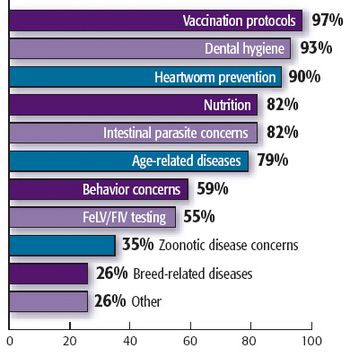
In 23 percent of practices, credentialed technicians are responsible for most of the client's education, according to a recent survey by VetMedTeam.com. In 52 percent of practices, veterinarians handle the bulk of education, while in 19 percent of practices, veterinary assistants take charge of this task. Here's a look at the percentage of respondents who say team members discuss these issues with clients:

Frustrated with your work? Use this advice to choose the right path and take control of your career.
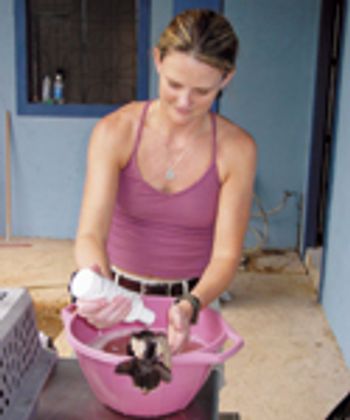
One technician found volunteer work was a perfect solution to renew her love for the profession.
Drs. Mark Shackelford and Lou Ann Wolfe have a few things in common: They both work at practices on the same street in Tulsa, Okla., and they both have a team member who shines. For Dr. Shackelford, that person is Kimberly Seigrist, RVT.
A medical record audit is the best way to measure how much money your practice is leaking.
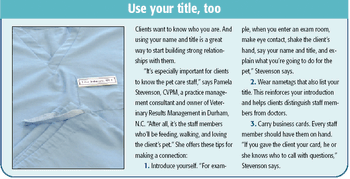
When you use the title your boss earned, you build respect for your team, increase your authority with clients, and lay the groundwork for a more professional workplace. And that's just for starters
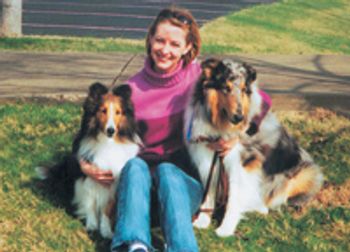
A stray dog in a small Alabama town found a home and a calling visiting nursing homes with a young veterinarian.
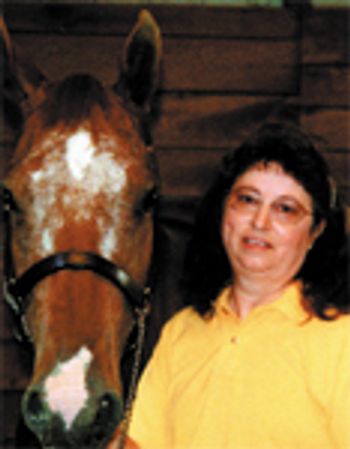
On the Job: Pam Weakly, practice manager at Dickman Road Veterinary Clinic in Battle Creek, Mich.
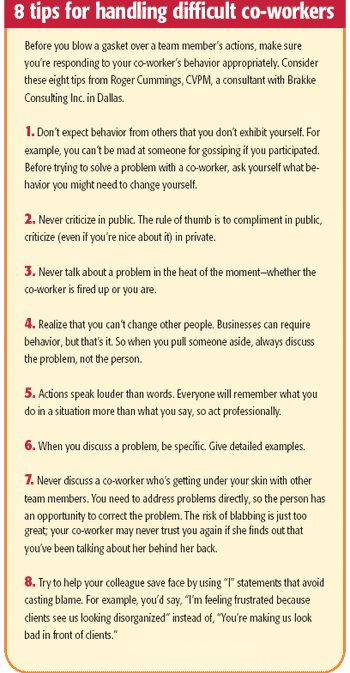
When you're faced with a co-worker who's acting like a demon, these strategies will help.