






Loyal’s application for drug approval is another step closer to potential approval through the FDA Center for Veterinary Medicine.
Loyal’s application for drug approval is another step closer to potential approval through the FDA Center for Veterinary Medicine.
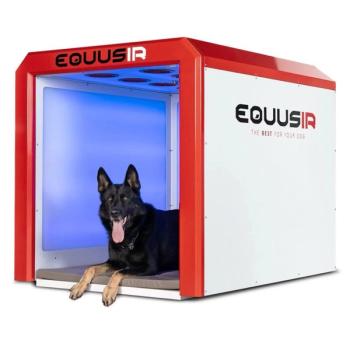
The product first launched in Europe in 2013.

Here is a sneak peek at this week’s headlines.

Christopher Pachel, DVM, DACVB, CABC, explains how veterinarians can tailor medication plans for dogs with separation anxiety by matching maintenance or situational drugs to each patient’s schedule and needs.

Ahead of her VMX lecture, Adesola Odunayo, DVM, MS, DACVECC, shared insights into what attendees can expect to learn.

New leadership moves, recognition, and achievement.

Check out this week’s headlines.

With so many lectures going on during VMX 2026, here is a list of some noteworthy ones happening during the first 2 days of the show!
Thinking about age as a modifiable risk factor is reshaping how veterinarians approach care for aging dogs.

Testing confirmed the anthrax on December 31, 2025.

Robenacoxib tablets from ZyVet Animal Health are bioequivalent to Onsior (Elanco Animal Health).

Why an “ecosystem” is the next frontier for clinical care.
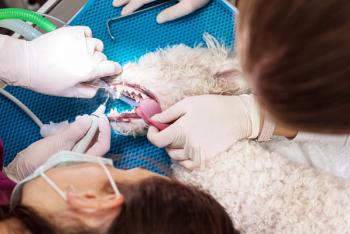
In this Q&A, Benita Altier, LVT, VTS (Dentistry), provides insights on how the right tools help improve patient care and practitioner experience, as well as the work of the Academy of Veterinary Dental Technicians.
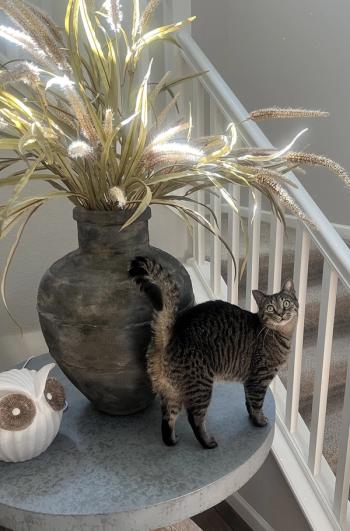
Ahead of National House Plant Appreciation Day, Pet Poison Helpline is reminding everyone the danger some plants can be for pets.
Brennen McKenzie, MA, MSc, VMD, director of veterinary medicine at Loyal, explains how energy metabolism changes as dogs age, and the health issues these changes can lead to.
Explore feline diabetes management with expert insights from Audrey Cook, BVM&S, MSc, MRCVS, DACVIM (SAIM), DECVIM-CA, DABVP (Feline).
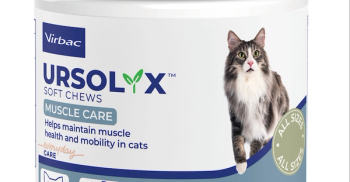
The product from Virbac contains ursolic acid that inhibits messenger RNA expression changes associated with muscle atrophy.
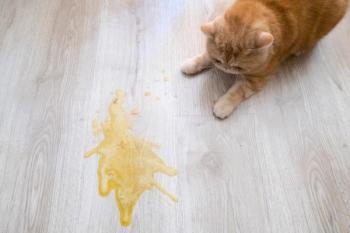
Inflammatory bowel disease (IBD) may progress to feline small cell gastrointestinal (GI) lymphoma, researchers say. Texas A&M University is testing a new treatment option for the cancer.
AAHA’s 2026 oncology guidelines aim to update diagnostics, staging, treatment priorities, and team workflows to help primary care clinics detect, stage, and manage cancer while preserving patient quality of life.
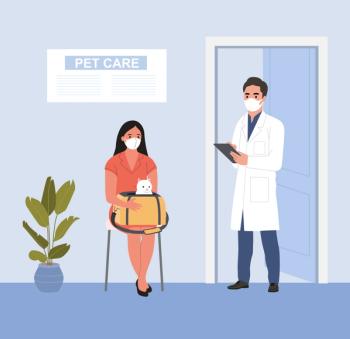
The latest updates relating to animal care establishments and platforms.
Learn how structured frailty assessments and proactive caregiver education can transform the aging journey from a reactive crisis into a dignified, quality-focused partnership.
Learn how to increase resilience in your career through intentional physical and emotional warm-ups before the start of a shift.

The American Heartworm Society has generated data-driven maps every 3 years since 2001.
Explore the latest insights on the human-animal bond and veterinary care trends with experts from the Human Animal Bond Research Institute and Chewy Health.

A genetic analysis found that the recent detection of highly pathogenic avian influenza resulted from a wildlife-to-cattle transmission.
Christopher Pachel, DVM, DACVB, CABC (IAABC), discusses whether a separation anxiety case warrants medication in this interview with dvm360.
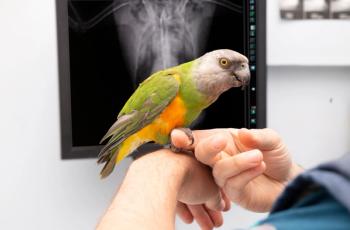
Laila Proença, DVM, PhD, MV, MSc, DACZM, explains practical steps for rabbit cheek tooth extraction, how to get diagnostic quality bird radiographs, and why accessible tools and safe anesthesia matter in zoo medicine.
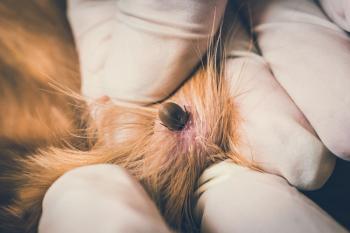
Christopher Lee, DVM, MPH, DACVPM, DACVM (Parasitology), explains why ticks and other parasites are expanding their range, why year-round isoxazoline use matters, and why indoor pets still face parasite risk.
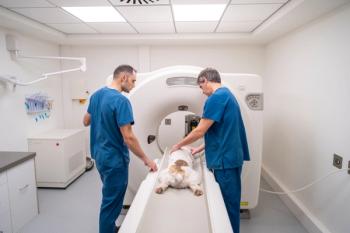
The study published in JAVMA highlights a critical lack of veterinary-specific data on PET/CT radiation exposure.

The latest products and innovative technology in veterinary medicine.