When caregivers feel capable in the day-to-day management of their aging pets, they are less likely to experience panic during health changes and more likely to follow through with veterinary recommendations.
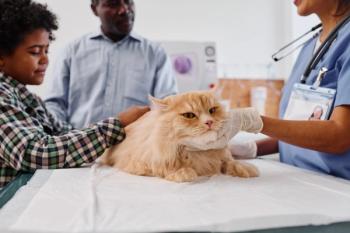
A key area is medication administration. Geriatric pets often require multiple prescriptions, sometimes in different formulations. Teaching caregivers how to safely pill a cat, disguise medication in food, or transition to liquid or transdermal formulations can mean the difference between compliance and treatment failure. Demonstrating these techniques in the clinic and supplementing with short instructional videos helps families troubleshoot challenges at home.
Mobility support is another common need. Veterinary teams can show families how to use ramps, steps, and lift harnesses safely, minimizing strain on both pet and owner. This not only prolongs mobility but also preserves the pet’s independence and dignity. Training in traction support, from trimming nails and paw hair to using products like toe grips or traction socks, reduces the risk of slips and falls on slick flooring.
Strength and balance exercises are equally important for pets at risk of frailty. Low-impact activities such as supported standing, gentle weight-shifting, or controlled sit-to-stand repetitions can help maintain muscle tone and joint stability. These exercises are often well-tolerated and can be framed as interactive “bonding activities” between pet and family.
Beyond physical skills, training also encompasses adaptations for daily routines. Helping cats accept alternative food textures, or acclimating dogs to mobility devices ensures smoother transitions as conditions evolve. By proactively preparing pets and families, veterinary teams prevent frustration and reduce the likelihood of abandonment of treatment plans.
Most importantly, this hands-on coaching builds trust. Families see their veterinary team not only as medical providers but as partners in caregiving. This trust enhances compliance, improves patient outcomes, and strengthens the long-term relationship between clinic and client.
Supporting the human–animal bond
The aging journey is as much emotional as it is medical. For many families, watching their pet slow down or struggle with age-related decline evokes feelings of grief, helplessness, or anticipatory loss. A well-designed geriatric program acknowledges this reality and seeks not only to preserve the pet’s health but also to protect and strengthen the human–animal bond during this sensitive stage.
Structured activities can play a significant role. Group classes for senior pets have shown measurable benefits for both animals and caregivers. Research demonstrated that participation in a 4-week senior dog class improved cognitive function and enhanced caregiver engagement, suggesting that shared activities can delay dysfunction while fostering connection.5 These classes provide not only mental enrichment for the dog but also social and emotional support for the owner, who meets others navigating similar challenges.
Daily routines can also be modified to sustain the bond. Encouraging low-impact exercise routines, such as gentle walks, swimming, or controlled play, helps maintain mobility without overexertion. These activities allow pets to remain engaged with their families and environment, reinforcing a sense of purpose and joy. Similarly, providing sleep support, whether through comfortable bedding, environmental modifications, or treatment of underlying conditions, improves rest for pets and reduces nighttime disruption for families, benefiting overall well-being.
Not all interventions need to be medical. In fact, some of the most powerful strategies are simple, joy-filled activities that celebrate the relationship. Holiday photos, milestone birthdays, and special treats remind families to cherish the time they have. Even small rituals—like taking an elderly cat into the garden for a daily sunbath or offering a favorite chew in a quiet moment—create cherished memories that counterbalance the challenges of decline. This shift not only improves caregiver resilience but also reframes geriatric care as a stage of life worth honoring, rather than one to dread.
Pre-planning: Reducing fear and uncertainty
Few topics are more difficult for families than talking about end-of-life care. Many pet owners avoid the subject altogether until a crisis arises, which can leave them feeling blindsided, guilty, or rushed into making decisions under emotional duress. Proactive, compassionate conversations about pre-planning not only normalize the subject but also dramatically reduce trauma for both families and veterinary teams.
A structured approach to pre-planning can cover several key areas:
- Visit plans for anticipated changes: Families benefit from knowing what to expect as conditions progress and when follow-up visits should occur. Outlining a “roadmap” for when to recheck mobility, re-stage kidney disease, or adjust pain management helps owners feel prepared rather than caught off guard.
- Plan for obstacles: Consider and communicate what options the practice can offer as obstacles present themselves. Does the practice offer house calls for its geriatric patients? Is there a partnership with a mobile veterinary service or end-of-life care service that can help serve these clients when transportation barriers present themselves?
- End-of-life decisions and cost transparency: Fear of euthanasia recommendations or unexpected financial burdens is a major source of anxiety for families. Discussing options early—ranging from palliative care to euthanasia logistics—gives clients a clearer sense of what is possible and what fits within their means. Cost transparency is especially important; by clarifying expenses in advance, practices can prevent feelings of shock or guilt at a later, more vulnerable time.
- Advance care values and goals: Just as in human medicine, veterinary teams can invite families to articulate their core values: What quality-of-life markers matter most? Is maintaining mobility the priority? Is eating a favorite food essential? These conversations guide future decisions and help ensure that veterinary recommendations align with the family’s definition of comfort and dignity.
- Aftercare and memorial options: Discussing cremation, burial, or memorialization before the moment of loss allows families to reflect thoughtfully on what feels right. Providing resources such as urn selections, paw print keepsakes, or community grief support services demonstrates respect for the emotional significance of these decisions.
By initiating these conversations early, veterinarians shift the decision-making process from one of fear and urgency to one of love and preparation. Families who have had the chance to consider scenarios ahead of time often experience less guilt and greater confidence that they acted in their pet’s best interest. For veterinary teams, pre-planning reduces last-minute scrambles, clarifies expectations, and strengthens trust with clients who feel guided rather than pressured.
Ultimately, pre-planning reframes end-of-life care not as an abrupt, chaotic event but as a thoughtful, compassionate transition—honoring the bond between pet and family while safeguarding the patient’s comfort.
Financial incentives and practice sustainability
For practices to successfully adopt geriatric programs, they must not only deliver exceptional patient care but also operate in a financially sustainable way. A structured approach ensures that these services remain accessible for families while providing predictable revenue for the veterinary team.
Bundled services are one of the most effective strategies. Packaging diagnostics—such as biannual bloodwork, urinalysis, or blood pressure checks—into clear “senior care plans” removes the uncertainty of piecemeal billing and helps family’s budget in advance. When combined with technician-driven visits for nail trims, mobility checks, medication review, or pain scoring, these bundles expand access to care while optimizing the skill sets of the whole team. Scheduling CGAs at regular intervals further ensures that changes are identified early, reducing costly emergencies and increasing client satisfaction.
Pre-scheduling these services has dual benefits: it guarantees consistent monitoring for the pet and provides the clinic with a stable revenue stream. Much like wellness plans for puppies and kittens, these packages reduce the likelihood that clients will defer care due to financial concerns. In fact, many families express appreciation for predictable monthly or annual costs rather than unexpected large bills during crises.
Geriatric programs also represent an opportunity to deepen client loyalty. Just as puppy and kitten packages set the tone for long-term relationships, senior and geriatric programs reinforce trust by showing that the practice is committed to guiding families through the full life course of their pets. Clients who value transparency, proactive care, and emotional support are more likely to remain loyal to a practice that demonstrates foresight and compassion.
Finally, building sustainability into geriatric care is not only about revenue but also about team wellbeing. Practices that charge appropriately for time-intensive appointments, caregiver education, and extended follow-up reduce the risk of burnout while validating the expertise of their staff. In this way, financial incentives become aligned with patient comfort, caregiver trust, and veterinary team resilience—creating a model of care that is both compassionate and sustainable.
Implementation: Keys to success
Designing a geriatric program is only the first step—it’s true value lies in how well it is implemented and integrated into everyday practice. Success requires both clinical foresight and operational commitment. Several principles consistently emerge as critical for building programs that are sustainable, effective, and embraced by both clients and teams.
Starting early is essential. Conversations about senior and geriatric care should not begin when pets are already in these life stages, but rather during adult wellness visits. By planting the seed early—introducing families to concepts such as aging trajectories, preventive diagnostics, and eventual preplanning—practices can normalize the idea that end-of-life care is part of a continuum, not an abrupt transition. Early education also makes families more receptive when interventions become necessary.
Utilizing the whole team amplifies impact and efficiency. Veterinarians are not the only voices clients need to hear. Technicians can conduct mobility scoring, administer monitoring questionnaires and pain/mobility scales, and provide hands-on training with harnesses or ramps. Client service representatives can manage the scheduling of routine senior check-ins and reinforce the importance of follow-up. By delegating roles, the veterinary team demonstrates a unified commitment to the pet’s well-being while preventing bottlenecks in care delivery.
Charging appropriately is another cornerstone of sustainability. Geriatric care often requires extended appointments, additional counseling, and more frequent monitoring than standard wellness visits. If practices undervalue their time and expertise, programs quickly become unsustainable, and staff may experience burnout. Transparent pricing—whether through bundled services or pre-scheduled packages—validates the work of the team and reassures families that they are investing in quality of life for their pet.
Consistency ensures clarity and builds trust. Families navigating the stress of aging pets can quickly become overwhelmed if different team members give conflicting recommendations. Standardized protocols for frailty screening, pain scoring, or preplanning discussions reduce confusion and create a predictable experience for clients. This consistency also strengthens the confidence of staff, who can follow structured guidelines while still personalizing care for each patient.
Finally, partnerships expand the reach and depth of care. Collaborating with hospice and palliative care providers, rehabilitation specialists, nutritionists, and even mental health professionals allows practices to offer comprehensive support without overextending their internal resources. These partnerships ensure that families feel guided through every stage of the aging journey and that pets benefit from the collective expertise of a multidisciplinary team.
When these elements come together, a geriatric program transforms from an aspirational concept into a practical reality. The practice becomes not only a provider of medical services but also a trusted partner in one of the most meaningful phases of a pet’s life.
Conclusion
A well-designed geriatric program is far more than a collection of diagnostics and treatment protocols; it is a framework for compassionate, anticipatory care. By reducing fear and confusion, these programs empower families to become confident caregivers and allow pets to age with dignity. They honor the profound human–animal bond that has developed over a lifetime, ensuring that the final stages of that relationship are supported with as much thought and care as the beginning. Structured senior and geriatric programs reinforce that aging is not a disease to be feared but a natural stage of life to be supported and celebrated.
References
- Ray, Michael et al. “2021 AAFP Feline Senior Care Guidelines.” Journal of feline medicine and surgery vol. 23,7 (2021): 613-638. doi:10.1177/1098612X211021538
- Banzato, T., Franzo, G., Di Maggio, R. et al. A Frailty Index based on clinical data to quantify mortality risk in dogs. Sci Rep 9, 16749 (2019). https://doi.org/10.1038/s41598-019-52585-9
- Russell, Katharine J., et al. "Establishing a Clinically Applicable Frailty Phenotype Screening Tool for Aging Dogs." Frontiers in Veterinary Science, vol. 11, 2024, p. 1335463, https://doi.org/10.3389/fvets.2024.1335463. Accessed 6 Nov. 2025.
- Colleran, Elizabeth J et al. “A non-randomized pilot study to test the feasibility of developing a frailty scale for pet cats.” Frontiers in Veterinary Science. vol. 12 1549566. 26 Feb. 2025, doi:10.3389/fvets.2025.1549566
- O'Brian, Maggie L et al. “Effects of a four-week group class created for dogs at least eight years of age on the development and progression of signs of cognitive dysfunction syndrome.” Journal of the American Veterinary Medical Association vol. 259,6 (2021): 637-643. doi:10.2460/javma.259.6.637