







News


All series


All News

i4-746711-1384172586745.jpg

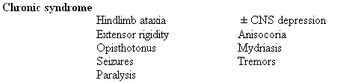
Agents (physical, chemical or biological) designed to kill pests that interfere with the comfort, health or economic wellbeing of man. Accompanying their beneficial effects, illnesses and deaths in man and animal alike, have been reported. Recorded use of compounds in the control of pests goes back to 1000 BC, when sulfur was used for such purpose. Since then their have been continued development of more effective and safe pesticides. Currently in use today are > 600 pesticides, constituting 15,000 compounds in 3,500 formulations.
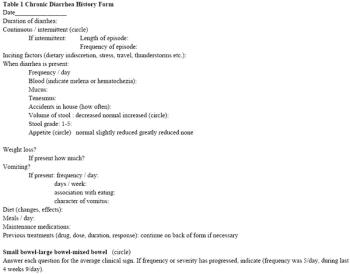
Pets' eating and grooming habits, species inherent sensitivities to certain chemical/foods, and owners' attitudes are helpful in preventing accidental exposures. Similar hand-to-mouth behavior observed in children is the expected with pets. All precautions – properly store all hazardous chemicals, personal human medication, read medication labels, and know the need for, and seek immediate veterinary care - should be taken in preventing access of pet to hazardous substances.

A lingering human impression that most synthetic chemicals/compounds are unsafe and those of natural origin are safe remains un-substantiated. Of an estimated 30,000 plant species (wild and cultivated) found in North America, approximately 700 species have been reported toxic to animals. These plants are toxic on account of chemicals found in them, which are toxic to animals on ingestions. These components (alkaloids, glycosides, phenols, phyto estrogens, resins etc.) are structurally and functionally diverse.

One can usually find many sources of information about drugs: FDA website, drug company websites and technical reports, VIN, journals, trade magazines, and so on. The important skill required of veterinarians is to assess that information to determine its usefulness in your daily practice.

This morning we're going to talk about our least favorite topic – sick cattle. Sick cattle are not fun to deal with, but we're always going to have some of them. I want you to understand that our philosophy should be to invest time at strategic points of the production cycle to reduce time spent at hospitals.

Immunosuppressive therapy in dogs and cats is used to treat a wide range of immune-mediated and inflammatory diseases. Immunosuppressive therapy is best understood, and explained, in the context of the specific disease that is being treated. In order to put the principles of treatment into a clinical context, I will therefore concentrate on treatment of immune-mediated blood disorders.

This presentation concerns the survival and subsequent recovery of a small feline veterinary practice from two events, either of which could have easily shuttered this business. The first event was a devastating fire set by an arsonist which not only resulted in the loss of animal life but which also rendered the business a total loss. The second event was Hurricane Katrina, which literally and functionally destroyed New Orleans and its business environment for months.

Rational pharmacological management of canine and feline liver diseases is built around removal of the inciting cause, specific therapy (e.g. anti-inflammatory, antifibrotic or anticopper agents) and provision of general liver support. Generally speaking, treatment recommendations are based upon the suspected pathophysiology of the disease or extrapolated from the human medical literature and are not based on veterinary clinical trials.

Disorders of the feline exocrine pancreas are common. Feline pancreatitis is classified as acute necrotizing, acute suppurative and chronic non-suppurative. Acute pancreatitis is characterized by inflammation of the pancreas that is completely reversible upon removal of the underlying cause, while chronic pancreatitis is characterised by irreversible histological lesions such as fibrosis and atrophy. Necrosis of pancreatic acinar cells and peripancretic fat with or without inflammation, hemorrhage, mineralization and fibrosis, describes acute necrotizing pancreatitis (ANP).

i1-737202-1384185429635.jpg

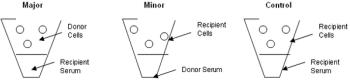
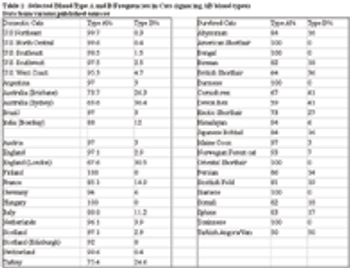
Common transfusion types include fresh whole blood, stored whole blood, packed red blood cells, fresh frozen plasma, and frozen plasma. Other, less common transfusion products include cryoprecipitate, cryo-poor plasma, platelet-rich plasma, platelet concentrate, lyophilized albumin, and lyophilized platelets.

Nonsteroidal antiinflamatory drugs (NSAIDs) are commonly used in veterinary medicine for a variety of reasons including the management of acute postoperative pain and chronic pain associated with degenerative joint disease among other conditions. However adverse effects preclude their use in many patients and severe adverse effects such as nephrotoxicity, hepatotoxicity, and gastrointestinal ulceration and perforation, and death occur infrequently.