







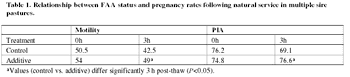
Development of fertility diagnostics and therapeutics offers enhanced productivity and economic opportunity for the cattle industry through increased reproductive efficiency.
Development of fertility diagnostics and therapeutics offers enhanced productivity and economic opportunity for the cattle industry through increased reproductive efficiency.

Parvoviruses remain a significant enteric pathogen of cats and dogs.
As a veterinarian working in the field, if you suspect that a foreign animal disease (FAD) is present, your obligation is to promptly report it to the appropriate authorities.
Lameness examination: Examined at a distance, then up close by hands-on.
While the leading causes of calf illness and death within the first few days after delivery are non-infectious physiological disturbances, after that time, the majority of illness and death losses are attributable to infectious conditions.
Bovine viral diarrhea virus (BVDV) has emerged as one of the most important infectious disease agents in cattle.
Immunoglobulins cannot traverse the placenta in cattle, so calves are born without any innate immune protection.
Vaccination is an important tool in veterinary medicine, preventing disease and reducing virus circulation for many important viral pathogens.
Forage test reports are like short stories.
Primary motility disorders of the gastrointestinal (GI) tract in the dog and cat are not well studied.
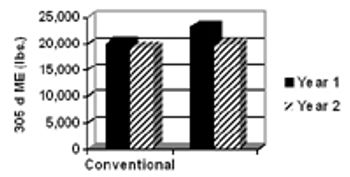
Dairy production systems in the US have changed considerably over the last several decades due to forces that promote economic efficiency of production and to scientific and technological advances that afford opportunities for change.
In the overwhelming majority of cases (except when a veterinarian delivers a calf in dystocia), the owner/herd manager will be the person best positioned to combat newborn calf health problems.
Many zoonotic diseases are bacterial in origin.
Bitches generally attain puberty two to three months after reaching adult body size.
Primary gastric neoplasia is an important differential diagnosis for a dog or cat with vomiting, especially chronic vomiting, anorexia and weight loss, particularly animals that are middle-aged and older.
Over the last several decades we have witnessed tremendous changes in dairy production systems.
An outbreak of respiratory disease occurred in a kennel of racing greyhounds in 2004.
Feline infectious peritonitis (FIP) continues to be a significant disease in domestic cats.
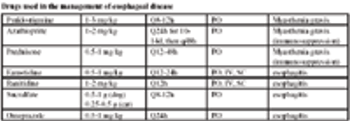
Esophageal disease can easily sneak up on the unsuspecting clinician if regurgitation, the cardinal sign of esophageal disease, is not considered a differential diagnosis for an animal that presents for what the owner perceives as vomiting.
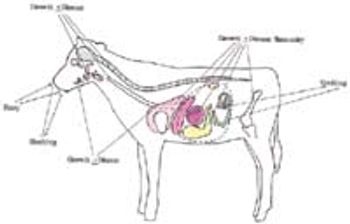
Direct transmission requires that animals be in close, intimate contact because the animal-free state of the virus must be very short in order to effect a successful transmission of viable virus.
When I report back to a cattle owner that his animal is "BVD positive," before I can even begin to explain what that means, I am all to often asked "what is BDD, BV . . . what?" since I am usually talking to the rancher about a normal calf , not an obviously sick animal.
The protein-losing enteropathies (PLE) comprise a collection of intestinal, usually small intestinal, diseases typically associated with weight loss, hypoproteinemia caused by hypoalbuminemia or panhypoproteinemia, and variable signs of vomiting and diarrhea.
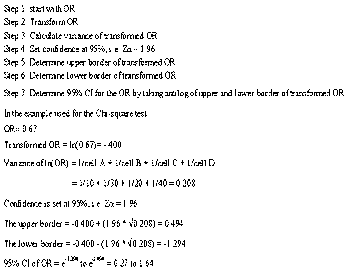
When planning a disease outbreak investigation, it is very helpful to know beforehand the major risk factors associated with the disease to be investigated.
Chemical Terrorism: The Role of the Large Animal Veterinarian
Esophageal diseases cause disturbance of food flow through the esophagus due to obstructions from foreign bodies and tumors, inflammation, decreased motility, and compression of the esophagus from intramural or extra-luminal masses.
A test is available to detect the MDR-1 genetic deletion that leads to P-glycoprotein deficiencies in collies and related breeds.
Immune-mediated hemolytic anemia (IMHA) is a devastating disease in dogs with a reported mortality rate that ranges between 29% and 70% in the veterinary literature.
Identify problems according to the 8 principles (actually, 4 pairs of principles)
Canine babesiosis is a tick-borne disease caused by a hemoprotozan parasite belonging to the order Piroplasmida within the phylum Apicomplexa.
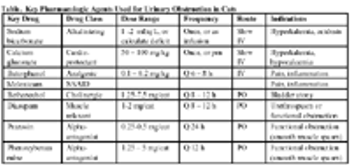
The most common causes of voiding disorders in cats include: obstruction with urethral plug, urolith, or blood clot; urethrospasm resulting in functional obstruction (usually post blockage); bladder dysfunction (detrusor atony) following blockage; and neurologic lesions leading to detrusor atony.
