




The demographics of canine hip dysplasia and its human counterpart—developmental dysplasia of the hip—show some striking similarities.
The demographics of canine hip dysplasia and its human counterpart—developmental dysplasia of the hip—show some striking similarities.
Inspired by the discovery of an antimicrobial protein in Komodo dragon plasma, researchers have synthesized a peptide called DRGN-1 that demonstrated potent antimicrobial and wound healing activity.
A recent study found promise in a new drug that treats cachexia, a progressive wasting syndrome. The trial is currently in canine patients, with hopes to move to human patients in the future.
A new study shows that bonobos—not chimpanzees, as was once thought—may be more closely linked, anatomically speaking, to humans.

In light of multiple recent human cases of Asian H7N9 bird flu in China, the country is taking measures to prevent further spread of the virus.

In successive generations of homing pigeons, researchers observed that collective intelligence accumulates and leads to progressive modifications.

Did you miss any important news last month? Here are our top 5 most popular articles in April.

Among the stories in this week’s roundup: the first malaria vaccine introduced in Africa, plans to tag millions of cows in India to curb smuggling, and how pet dogs reduce the risk for allergies and obesity.
Silver nanoparticles have demonstrated marked antibacterial activity against multi-drug resistant bacteria commonly found in infected postsurgical wounds in humans.

Analyzing different birth modes, researchers identified associations between gut microbiota composition in 3-month old infants and exposure to furry pets.
The FDA has issued 14 warning letters and 4 online advisory letters to US-based companies illegally selling more than 65 products with fraudulent claims that they cure cancer.
Veterinarians packed into these clinical lectures during CVC in 2016. Check out similar topics planned for this year, plus find resources to help right now with the patient in front of you.

In a comparison of video versus owner observation in assessing urination behaviors in cats, researchers concluded that a combination of the two methods may be best.

The Central Veterinary Conference in Virginia Beach (May 18–21) is around the corner. Here's where to eat, unwind and go in historic Virginia Beach.

Party Animal, Inc. has recalled 2 lots of its dog food after discovering that both were potentially contaminated with pentobarbital.
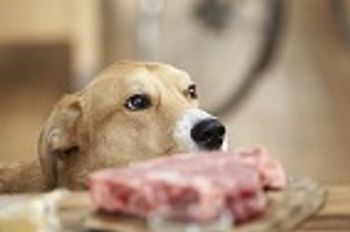
A survey of pet owners who feed their pets raw food products reveals, among other things, a distinct lack of communication about nutrition in the veterinary office.
Meet these five passionate practitoners who have dedicated their careers to bettering the health and well-being of animals in a variety of ways, from animal rescue and field work to philanthropy, mentoring and inventing.

Mandrills use olfaction to detect intestinal protozoa in conspecifics and change their behavior to avoid infection.
Success in practice today requires an adaptable team.
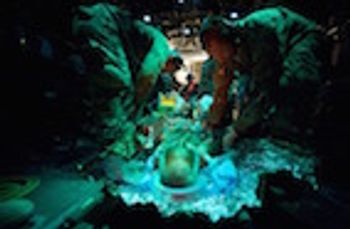
Without a veterinary license, it is illegal to give medical care to animals. But Maryland recently passed a bill giving emergency responders immunity to this rule.
While all veterinarians need to keep up with clinical and conference news and medical updates, the cardinal thing missing from the array of available veterinary publications is a resource focused on the business and financial needs of this vital group of medical professionals.

In a recent One Health lecture, Dr. Laura Kahn talked about antibiotic use in food animals, the challenges of ensuring food security, and possible sources of antibiotic resistance in people.

Quantitative Light-induced Fluorescence is an imaging technique that reliably detects dental plaque coverage in adult domestic short-haired cats.

In this week’s roundup: new legislation to legalize marijuana in Canada, big cosmetic firms selling products tested on animals in China, and more stories from around the world.
Effective recommendations from clients can be an important factor in growing your practice.
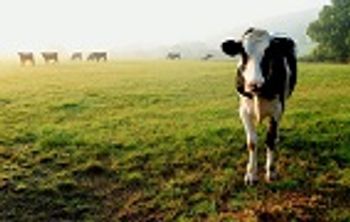
The nasopharyngeal microbiota of beef cattle undergoes significant and rapid changes following arrival at a feedlot, increasing cattle’s susceptibility to bovine respiratory disease after feedlot placement.
High worm fecundity and the potential for severe pathology in humans and other hosts make raccoon roundworm a double threat.
Outlining a strategic plan early in practice ownership provides an overall sense of direction toward future prosperity.
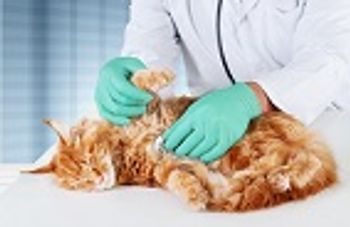
In a recent study, researchers sought to shed light on the pathophysiology of feline diabetes mellitus by measuring levels of selected circulating hormones and metabolites in diabetic and nondiabetic cats.
The new test uses mitochrondrial DNA and shows higher sensitivity and better detection over testing with ribosomal DNA.
