







Christopher Lee, DVM, explains Toxoplasma gondii facts: why most indoor cats rarely shed, plus pregnancy-safe litter tips for cat health
Christopher Lee, DVM, explains Toxoplasma gondii facts: why most indoor cats rarely shed, plus pregnancy-safe litter tips for cat health

The latest updates relating to animal care establishments and platforms.
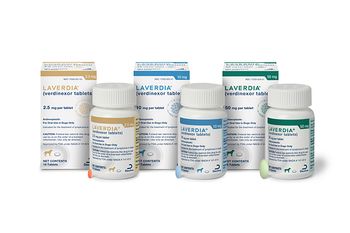
Verdinexor tablets are now available for dogs with lymphoma after receiving full FDA approval earlier this year, offering an at-home treatment option that is given twice weekly and showed a longer time to disease progression than control in a field study.
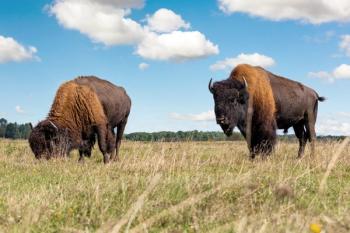
The first survey of parasite control on bison ranches shows most herds are dewormed on a schedule, with little testing to see whether they need it. Researchers say the habit could make resistance harder to manage.
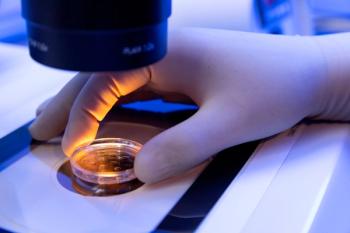
Preclinical testing at The Ohio State University found Telomir-Zn inhibited growth of canine and human osteosarcoma cell lines, prompting the company to explore a possible in-vivo study in dogs with naturally occurring tumors.
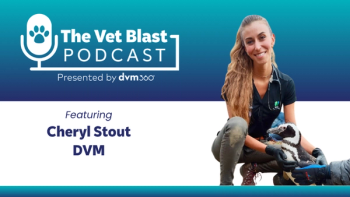
Cheryl Stout, DVM, discusses her path from aspiring conservationist to residency-trained zoo veterinarian, her conservation goals, and her educational work on social media.

Caroline Cox, LSW, MSW, and Erika Krick, VMD, DACVIM (Oncology), discuss the role of veterinary social workers in supporting clients, communicating with veterinary teams, and helping practices address the human side of veterinary care in this Q&A from an interview at the 2026 Fetch National Harbor Veterinary Conference.
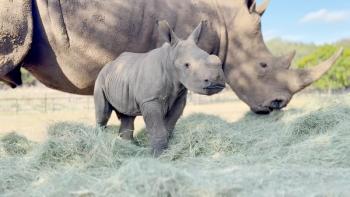
After more than 20 years of work toward its first rhino birth, the Texas ranch has now welcomed 3 calves in 3 years.

Two notable pet-industry acquisitions closed in September. One bringing AI-powered clinical documentation into IDEXX's software ecosystem, the other marking the first acquisition for fresh-food brand The Farmer's Dog.
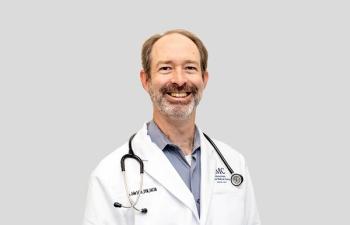
New leadership moves, recognition, and achievement.
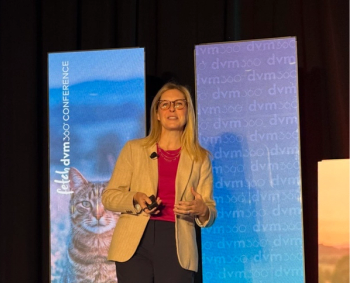
In a keynote address at the 2026 Fetch National Harbor Veterinary Conference, Jessica Pritchard, VMD, MS, DACVIM (SAIM), shared research showing that many owners decline vaccines because they do not think their pet needs them, and discussed ways veterinary teams can address those concerns.

Alyssa Mages, BS, CVT, FVTE, outlines key considerations for veterinary technicians during triage, from rapid patient assessment and prioritization to client communication and team coordination, in this interview from the 2026 Fetch National Harbor Veterinary Conference.

In a session at the 2026 Fetch National Harbor Veterinary Conference, Nathanael Oster, VMD, MBA, walked attendees through the biology, diagnosis, and treatment of the flea tapeworm in dogs and cats, including why cats are affected more often than dogs.

SNAP-P is a proposed high-impact program that would provide at least $4.4 billion in benefits to low-income pet owners at marginal cost to federal and state governments.
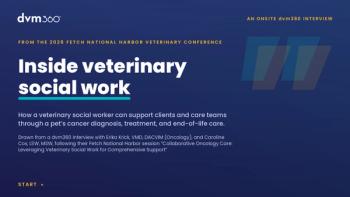
In a slideshow drawn from an on-site dvm360 interview at the 2026 Fetch National Harbor Veterinary Conference, a veterinary oncologist and a veterinary social worker walk through how the role supports owners and staff across a pet's cancer diagnosis, treatment, and end-of-life care.
Here are this week's headlines
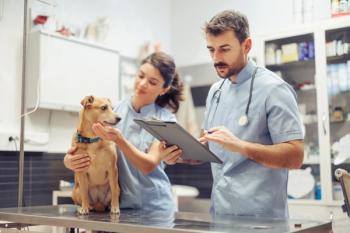
The five-year Big Bet for Pets initiative targets what the foundation calls a care gap affecting 50 million dogs and cats in the US, opening two new grant programs for nonprofit veterinary clinics.
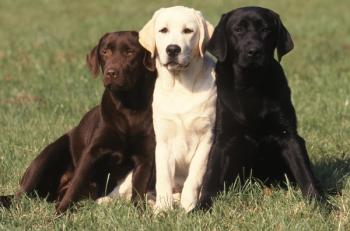
A UC Davis study is investigating why Labrador retrievers develop copper-associated hepatopathy and whether blood-based tools could help identify the disease before serious liver damage occurs.

A plethora of continuing-education sessions run across 3 days, September 17–19, at the Gaylord National Resort in National Harbor, MD. Here are the ones to circle first, sorted by practice area, plus a handful that are easy to scroll past and worth catching.
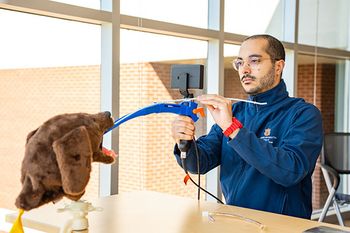
Veterinary and engineering students at Auburn University worked through several prototypes and campus visits to build a 3D-printed laryngoscope for teaching intubation in goats and pigs.

Brandon Stapleton, DVM, explains how fresh food differs from raw diets and how digestibility, hydration, and portioned meals can support weight management and hard-to-feed patients in this episode of The Vet Blast Podcast

The World Health Organization recognized the country's more than 50 years without a human case of dog-mediated rabies, crediting sustained vaccination, surveillance, and cross-sector collaboration.
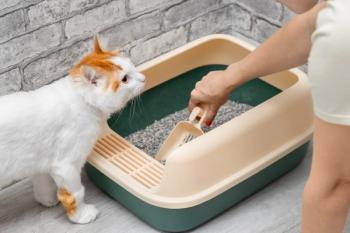
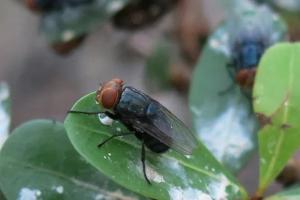
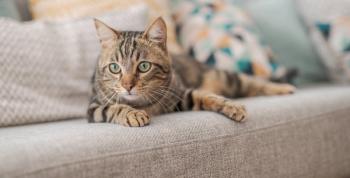
Christopher Lee, DVM, MPH, DACVPM, DACVM (Parasitology), discusses the clinical significance of Toxoplasma gondii, when veterinary professionals should consider testing, and how to communicate the risks of exposure to clients.
A candid conversation on why difficult client interactions can linger, how repeatedly pushing aside the emotional impact can affect future interactions, and how intentional debriefing can help veterinary professionals process those experiences in a healthier way.
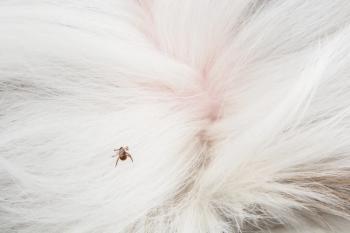
New CDC and climate data show tick exposure and pollen seasons are both stretching well beyond their traditional windows, a trend animal health company Elanco says is also increasing demand for veterinary care.

Valli Parthasarathy, DVM, PhD, DACVB, breaks down the "3 Ms"—management, modification, and medication—for treating behavior problems in parrots, and explains why sparse species-level drug research makes the first 2 her starting point for these birds.

Caitlyn Getty, DVM, PhD, DACVIM (Nutrition), explains how synergistic prebiotic fiber blends outperform single supplements in supporting fermentation, postbiotics, and gut health.
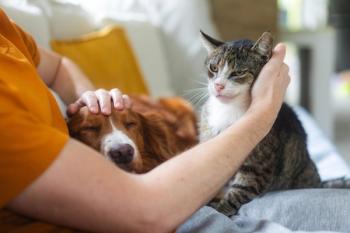
New survey data suggest the family pet has quietly become a stakeholder in decisions about where owners live, who they love, and how they plan for the future.
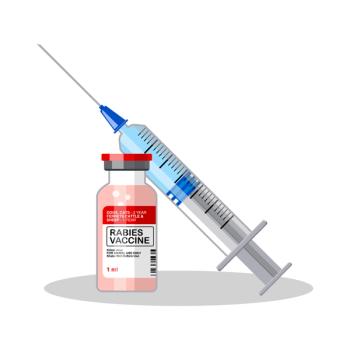
Several rabies exposure incidents have been reported across multiple states, days after the CDC issued a health advisory on rising human rabies exposures and errors in postexposure prophylaxis administration.

The flesh-eating parasite was found in a horse in Presidio County, Texas, on September 9, while a fourth infected dog was reported in a different area of the state.