









If you feel caught off guard by run-ins with your team members, check out these body language photos to see what your co-workers are saying-even when they're not speaking.
If you feel caught off guard by run-ins with your team members, check out these body language photos to see what your co-workers are saying-even when they're not speaking.

Taking the BizQuiz? This is the answer to question 5 of "Can you battle job burnout?"
When pulling porcupine quills out of unlucky patients, I find it helpful to place the discarded quills in a small bowl of water lined with a paper towel.
A number of prognostic factors for survival of dogs with heatstroke have been reported.
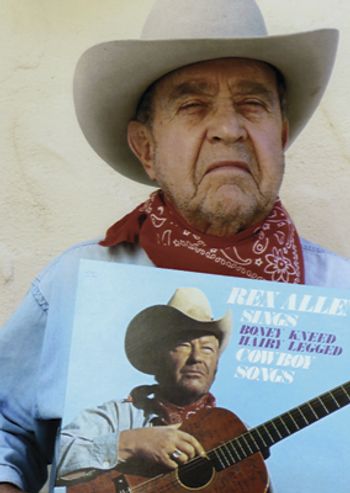
For 25 years, my group practice had an internship program, hiring new graduates from veterinary schools in the United States and abroad.
When we need a blood sample from a patient that is difficult to restrain, we have good results by briefly numbing the skin before venipuncture.
When presented with patients with severely decreased body temperatures, we often have trouble warming the IV fluid bags safely and keeping them warm.
I scheduled an appointment for 11:20 a.m. to see my primary0care physician, Dr. U.R. Knotavet, to update my tetanus booster and to ask a few questions.
For those who don't believe, no explanation is possible.
To prevent medium to large dogs with cephalic IV catheters from chewing or licking the catheter or T piece, we place a small Elizabethan collar on the dog's forelimb.
National Report -- The American Veterinary Medical Foundation (AVMF) is seeking students to apply for its annual veterinary student scholarship program.

April 22 is Earth Day. Celebrate in style by following these green tips from your colleagues.

Temperatures can dip to -40-degrees F. While dogs run best at night, temperatures need to climb to just above 0 for optimal performance, explains Dr. Vern Otte.
There are 23 checkpoints for the sled dog teams. The teams may stay anywhere from two minutes to 24 hours. An average stay is six to eight hours.
Mushers are required to take three breaks, two of which must be for eight hours.
Sometimes attending veterinarians camped out in tents, and other times they sought refuge in a school gymnasium. On those special nights, it was truly a room with a view.
Veterinary care is an important element of the race, says Dr. Vern Otte. An estimated 20 percent of the dogs dropped out of the race from a host of problems -- from illness and injury to not having the stamina or will to finish the 1,150-mile race.
The elements in Alaska can be brutal. In most cases veterinarians pack their own clothing, sleeping bags and medical supplies.
Each of the Iditarod teams started with 16 dogs.

The Iditarod has been dubbed "the last great race on earth."
When it comes to the health of the sled dogs, veterinarians frequently monitor for dehydration, which is common. Diarrhea is another ailment due to the estimated 10,000 calories consumed by each dog every day.
Dr. Vern Otte was looking for a new hobby. He found it in a remote part of Alaska caring for the sled dog teams as they raced into his checkpoint.
Veterinarians play a crucial role in assessing the health condition of these animals, says Dr. Vern Otte. The dogs are expected to race around the clock in six- to eight-hour increments.
From April to September in Alaska, nature puts on a light show. The Northern Lights, or aurora borealis, are most active late at night or early in the morning.
The Five looks at new flea-product labeling, a shark-wrestling veterinarian, and expert advice on marketing and client communication.

Close attention to detail in evaluation of history and clinical findings, accurate and appropriate sample collection, maintenance of chain of custody of evidence and judicious use of analytical testing are imperative when investigating suspected intentional animal poisonings.
Soft tissue injuries and osteoarthritis are common conditions afflicting active dogs due to the repetitive forces placed on the joints. Microtrauma to the tendons, ligaments, and the articular surfaces of joints can occur, creating an environment for osteoarthritic development.
Each year in the United States millions of homeless or unwanted dogs and cats are euthanized in animal shelters and humane societies. While precise numbers are difficult to obtain the estimates range from 3 to 4 million.
The etiology of chylothorax is often not identified. Although trauma is listed as a potential cause in some sources, there is no evidence that it would be responsible for persistent chylothorax.
