









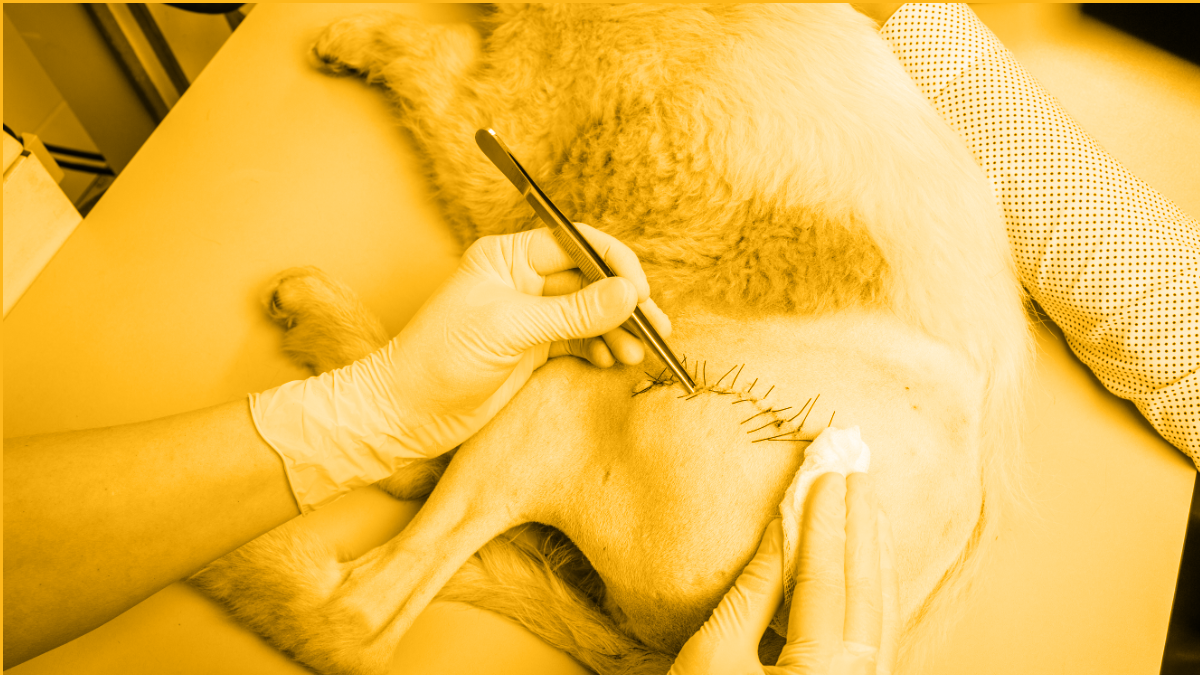
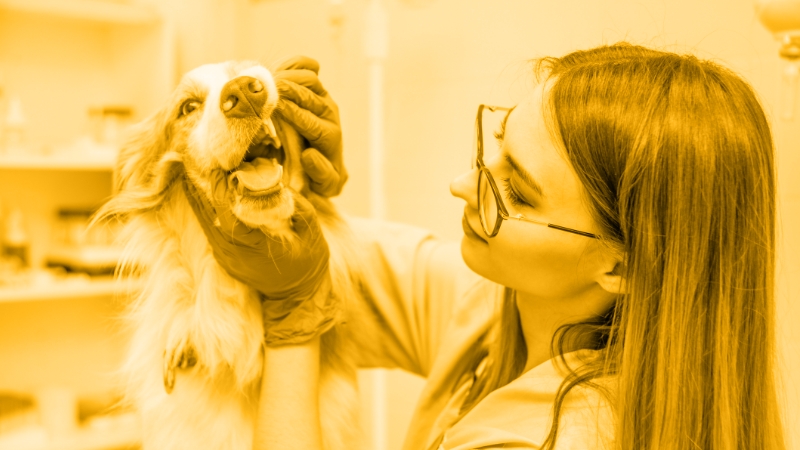

No fashion faux paws here-just postoperative protection for healing incisions.
No fashion faux paws here-just postoperative protection for healing incisions.
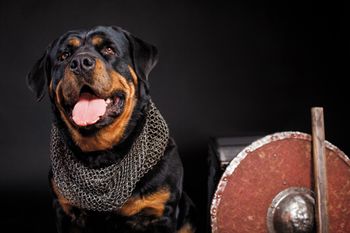
That dreaded moment when you peer into a patient's mouth and see what might be a tumor. Have the following questions been on the tip of your tongue? We've got the answers from veterinary oncologist Dr. Laura Garrett.
A lost voice brought this cat in to see his veterinarian, but hepatosplenomegaly was found on radiographic examination. Work through this case with the team at the University of Tennessee.

A big bonus of a thorough veterinary oral examination: You can spot oral tumors as well. The downside: You may spot an oral tumor.
The drug Paccal Vet-CA1to treat mammary and squamous cell carcinomaswas withdrawn at the manufacturer's request.
CVC educator Barden Greenfield, DVM, DAVDC, shared a lot of advice about oral tumor types diagnosis and treatment in a recent session. Here are two tips that stood out to one interested attendee.
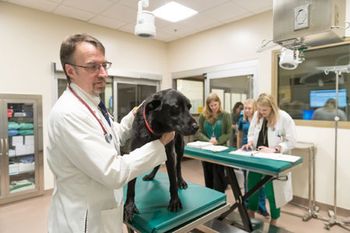
Colorado State University researchers observed positive activity in up to 80 percent of canine lymphoma patients receiving Tanovea-CA1, which should be available nationwide this spring.

The era of one-size-fits-all neutering advice has come to an end. Its time to move from recommendations to conversations.
There's always a chance an owner of a pet with lymphoma might change their mind about trying chemotherapy, so don't start at a disadvantage.
Each Veterinary Medicine Essentials package covers diagnostic steps, treatment plan guidance and the latest updates, plus resources to share with your entire veterinary team and your clients.
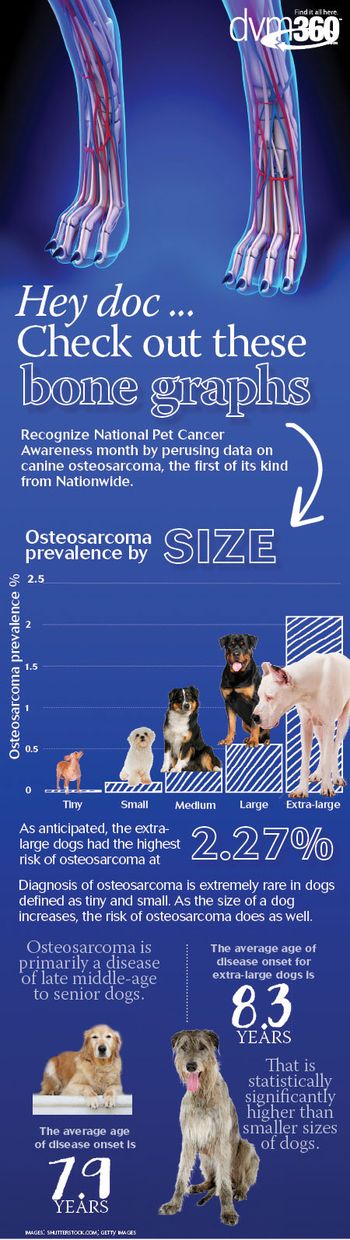
n honor of National Pet Cancer Awareness Month, Nationwide pet insurance wants to help #curepetcancer with new insights on this old-dog disease.
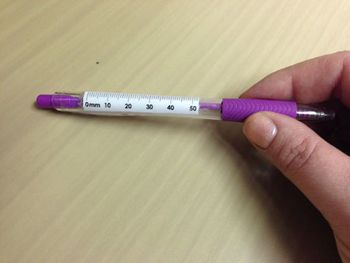
Calling a growth grape-sized would be fine if grapes only came in one size. Get specific and use this tip for keeping a ruler handy at all times.
A group of veterinary experts in oncology met to discuss the innovative research, new technology, medical advances, and important collaborations occurring in pet cancer diagnostics and treatment, with a focus on the benefits for general practitioners, their clients, and patients.

Learn more about the group of veterinary experts in oncology who recently met to discuss the innovative research, new technology, medical advances, and important collaborations occurring in pet cancer diagnostics and treatment.
Downing describes her latest research on clinical bioethics and what it means for the veterinary professionand we nerd out, bigtime.

In which we explore strange new zoonoses, seek out better diagnostics and new treatments, and engineer cats for world peace. (Really.)
Veterinary cancer specialist Dr. Sue Ettinger has learned the hard way that client communication isn't one-size-fits-all.
The brain-a dense and intricate collection of neurons and glial cells that controls all things. When tumors invade-even the covering of the brain, the meninges-it seems an especially sinister form of cancer. The team at the University of Tennessee helped extend this dog's life by using the latest information on meningioma management.
... but here are client communication and philosophical tips for the moments in a veterinary hospital when a pet's age and difficult diagnoses and prognoses come together.
You may have heard it's coming, and now it's here: monoclonal antibody therapy to assist in the treatment of lymphoma in your canine veterinary patients.
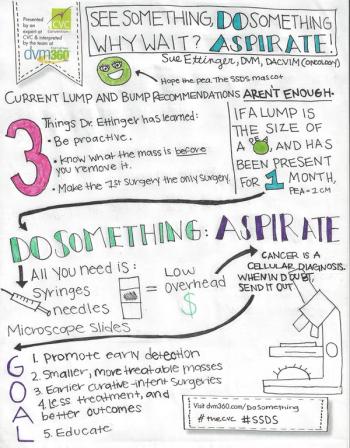
See Something. Do Something. Why Wait? Aspirate!
If you dont take the time to learn your clients perceptions about cancer, youre skipping a step. In this audio clip from a recent CVC session, veterinary cancer specialist Sue Ettinger explains how to give your clients an opportunity to share what they know, what they expect and what they want.
Immune system, genetic link may explain why some horses develop tumors and others dontsimilar to human papillomavirus.
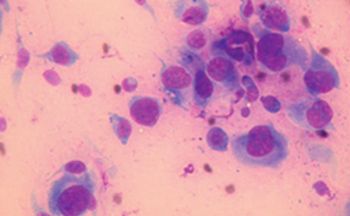
The new oncology guidelines will help ensure veterinary patients benefit from the correct diagnosis and optimal treatment to maintain the best quality of life possible.
Some DVMs are weak on supplements, with pet owners doing their own questionable research and dosing and feeding their pets accordingly for such conditions as cancer, osteoarthritis and kidney disease. It's high time for you to dig into the science, says Dr. Ernie Ward, and see how they can help with pets' chronic conditions.