












Dr. Kim Johnson shares tips on diagnosing and treating canine transitional cell carcinoma.
Dr. Kim Johnson shares tips on diagnosing and treating canine transitional cell carcinoma.

These basic algorithms provide every veterinarian a framework for diagnosing cancer and deciding with pet owners on the right course of treatment for a cure, a longer life or improved quality of life.
KC Animal Health Corridor event showcases innovative technology that may eventually help veterinarians diagnose and treat malignancies of all types.
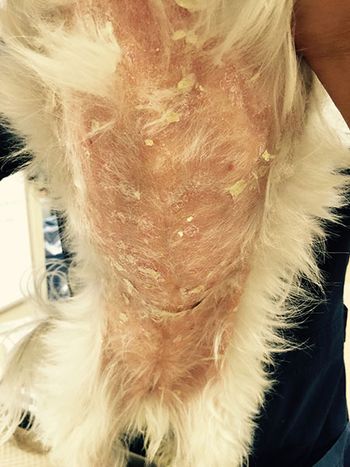
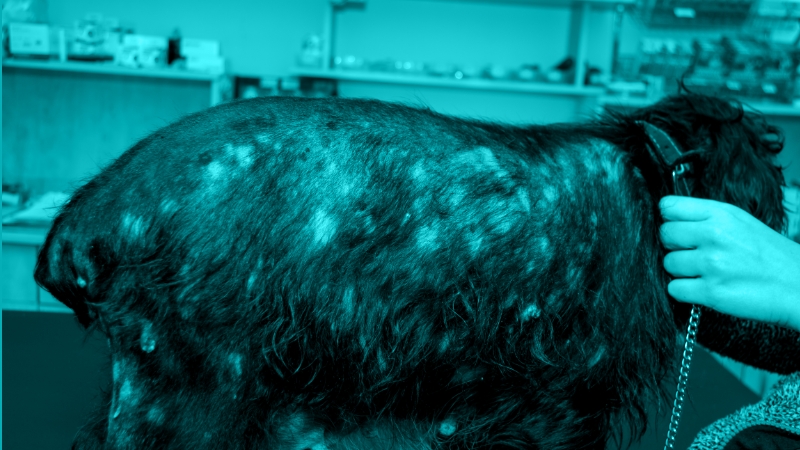
Recurrent, multidrug-resistant skin infections that present with scaling and ulcerated, crusting lesions are signs of this condition.
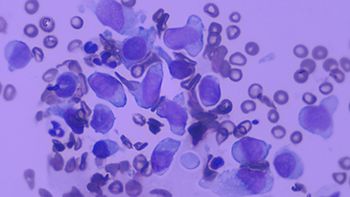
Sample was taken from the dorsal trunk of an 8-year-old male golden retriever.
You missed it? You didn't write these veterinary practice management and medicine down? I got you covered.

Well, a LOT of pennies for your thoughts. As in, well pay you for the brilliant problem-solving ideas youve come up with within the veterinary world.

Whether its a tip for studying, saving money or just plain ol destressing, we want to hear and share them with fellow students like you!

View highlights from the presentations and download PDFs of each. Sign up to receive updates on future CE sessions.
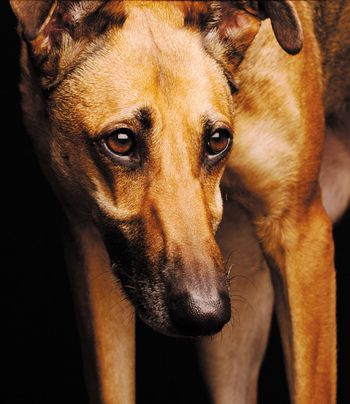
Immunotherapy product may delay or prevent metastatic disease and prolong overall survival in veterinary patients.
Do not rule out this fatty form of cancer due to absence of fat on CT, says Dr. Eli Cohen.
Social media campaign to raise awareness includes donation to the Animal Cancer Foundation.
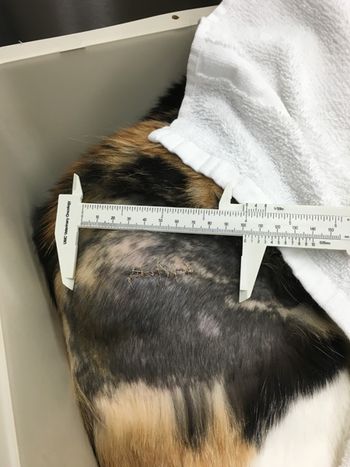
Though still often called vaccine-associated fibrosarcoma, it is now known that many types of injections can cause this aggressive form of neoplasia in cats. Monitoring injection sites is key to a good prognosis, as is an optimal treatment protocol.
This resource will help you facilitate a vital conversation with your veterinary clients about cancer pain.

Before you give in to that sinking feeling while staring at the cytology slide, review the latest on diagnostic and treatment options for this common form of cancer.
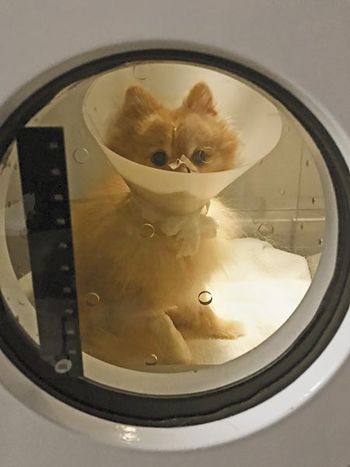
Nat Geo WILD's Animal ER in a Houston specialty practice showcases how hard veterinarians and their teams work, how the wonders of modern medicine reach all the way to pets, and where that money from the vet bill goes. (Hint: Better medicine.)


Everyday helpful information, whether you treat or refer your canine lymphoma cases.

Over and over again, we veterinarians hear it from our clients: Our pets die better than we do. In many cases, theyre right.
Each Veterinary Medicine Essentials package covers diagnostic steps, treatment plan guidance and the latest updates, plus resources to share with your entire veterinary team and your clients.
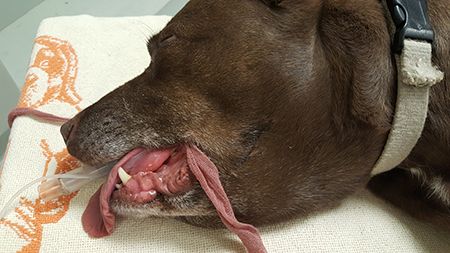
Dr. Sue Ettinger says treatment options aren't great, so watch for these oral tumors early on.

Five different perspectives provide an in-depth, well-rounded understanding of this rare cancer and how it affected an older dogs quality of life.

Dr. Lark Walters provides the medical oncology perspective on this multiple myeloma case.

Dr. Lisa Viesselmann provides the clinical pathology perspective on this multiple myeloma case.

Dr. Allison Watson provides the anatomic pathology perspective on this multiple myeloma case.