




















Banner - Fetch Kansas City 2026

Oncology

Latest News


CME Content


i8_t-325537-1384764644219.jpg

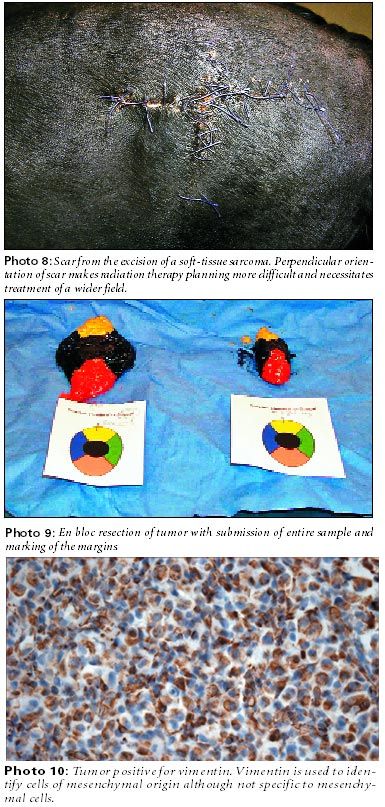
Soft-tissue sarcomas (STS) are common for a practitioner to see as they compromise up to 15 percent of all skin tumors in dogs. The terms spindle-cell tumors and mesenchymal tumors have also been used to describe these tumors. STS are considered to be a family of tumors given that they are all derived from connective tissues and have a similar biologic behavior regardless of the histologic type (see Table 1). Histiocytic sarcomas, oral sarcomas, hemangiosarcoma and synovial cell sarcoma are generally not included given that these tumors have a different biologic behavior.

i4-160624-1384780744458.gif

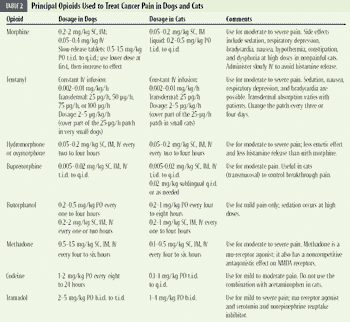
Recent publications, ongoing prospective studies, and better knowledge of the available therapeutic options should provide the necessary framework for appropriate pain management in cancer-bearing pets.

i4-154544-1384780427643.gif

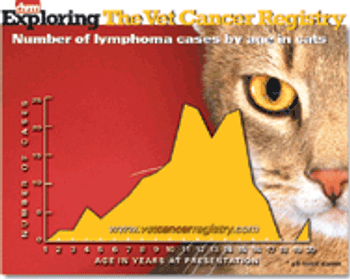
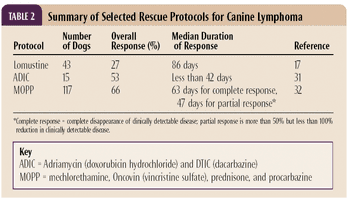
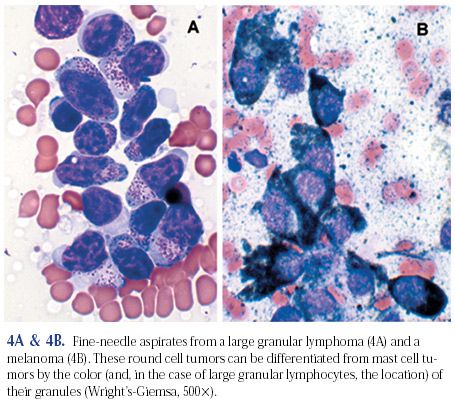
Lymphoma is the most common hematopoietic neoplasm affecting both dogs and cats and results from the malignant transformation of lymphocytes.

i4-154907-1384780019640.gif

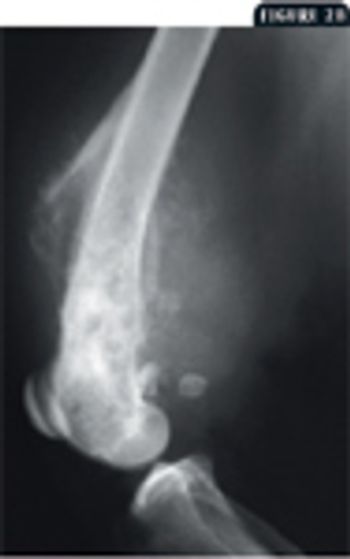
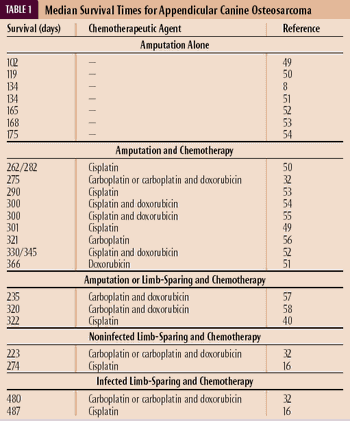
Although amputation has traditionally been used to palliatively manage affected dogs, treatment modalities including limb salvage, radiation therapy, and chemotherapy are evolving. This overview of emerging therapies will help you educate owners about treatment options for dogs with appendicular osteosarcoma.

Because you will likely encounter canine cutaneous mast cell tumors in your practice, this review article focuses on summarizing the therapeutic options available for treating canine mast cell tumors. With a better understanding of available treatment regimens, you will be able to educate and guide pet owners regarding the treatment options that may best suit their dogs.

i3-152665-1384781517454.gif

Cancer is a leading cause of death in pet dogs and cats. It is estimated that almost 50 percent of geriatric dogs and 33 percent of cats will die of cancer. As the pet population in the United States continues to age, cancer in pet animals is expected to become an even more significant problem in the field of animal health.