A new cost analysis finds that matching relapsed lymphoma treatment to a personalized drug-response test was associated with longer disease control and a lower estimated daily treatment cost in dogs.
CVC educator Barden Greenfield, DVM, DAVDC, shared a lot of advice about oral tumor types diagnosis and treatment in a recent session. Here are two tips that stood out to one interested attendee.
When it comes to oral tumors, there's little room for error-and little room to maneuver. But dvm360 Business Channel Director Brendan Howard is here with two tips from CVC educator Barden Greenfield, DVM, DAVDC, who has a suggestion of where to send biopsies and advice for helping your specialist lab with diagnoses. Watch the video to learn all about it or check the tips out underneath:
Barden Greenfield likes ...
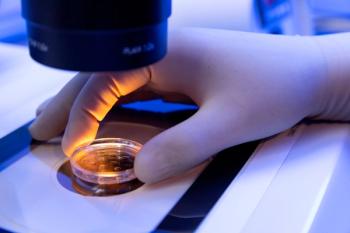
This veterinary dentist and practice owner of Your Pet Dentist in Memphis and Little Rock, Arkansas, says it's worth a little extra money to get your dental lab work right. It's fair to pass that small extra cost onto the client in these treatment plans, because you'll love the results. He recommends the University of Wisconsin Center for Comparative Oral and Maxillofacial Pathology. (Don't worry: He jokingly assures us he doesn't get any kickbacks.)
Barden Greenfield recommends ...
Before you send possible oral tumor samples to your lab of choice, get a picture-a before-you-cut-anything-out-or-sample-anything picture. Pathologists like to see the visual evidence of tumors, where they were in the mouth and how things looked, when they judge your samples.