





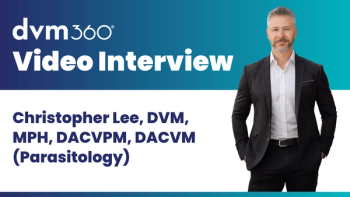
Christopher Lee, DVM, MPH, DACVPM, DACVM (Parasitology), explores the relationship between Toxoplasma gondii and household cats, with practical insights for veterinary professionals discussing exposure and prevention with clients.
Christopher Lee, DVM, MPH, DACVPM, DACVM (Parasitology), explores the relationship between Toxoplasma gondii and household cats, with practical insights for veterinary professionals discussing exposure and prevention with clients.
Caitlyn Getty, DVM, PhD, DACVIM (Nutrition), explains how synergistic prebiotic fiber blends outperform single supplements in supporting fermentation, postbiotics, and gut health.
Caitlyn Getty, DVM, PhD, DACVIM (Nutrition), explains the use of nutrition first to manage GI cases, tailoring highly digestible, high-fiber, or low‑fat diets to patient needs.
Caitlyn Getty, DVM, PhD, DACVIM (Nutrition), outlines how extended, flexible transitions help pets accept prescription renal diets, preventing negative effects of inappropriate over-the-counter foods.

From proposed changes to higher education accreditation to the FDA’s authorization of Capstar and generic nitenpyram to prevent and treat New World screwworm in pets, here are 3 veterinary news stories to know this week.
Kelly Mann, DVM, MS, MSS, DACVR, explains how veterinary medical detachments provide care on the battlefield, while a hub-and-spoke evacuation system helps move injured military working dogs toward higher levels of care.
Caitlyn Getty, DVM, PhD, DACVIM (Nutrition), explains how veterinarians can use combination renal diets and nutrient profiling to match food choices to complex patient needs.
Kelly Mann, DVM, MS, MSS, DACVR, highlights canine freeze-dried plasma as one piece of the puzzle in developing better veterinary blood products.
Caitlyn Getty, DVM, PhD, DACVIM (Nutrition), describes prebiotics, probiotics, and postbiotics, emphasizing how fermentable fibers become short-chain fatty acids that nourish colon cells and reduce inflammation.
Caitlyn Getty, DVM, PhD, DACVIM (Nutrition), explains how the GI microbiome functions in dogs and cats, influencing health outcomes and guiding nutrition-focused care.
Caitlyn Getty, DVM, PhD, DACVIM (Nutrition), warns that antibiotics can disrupt pets’ gut microbiomes in the long term and urges trying nutritional management first to correct the imbalance.
A new freeze-dried plasma product developed through military-funded research could expand the settings in which veterinarians can administer plasma, including before a patient reaches a hospital, during delayed evacuation, and in clinics without their own blood banks.
Dilara Kiran, DVM, MS, shares practical ways veterinary professionals can begin engaging in policy, from the AVMA Congressional Advocacy Network to advocacy days and state veterinary medical associations.
Dilara Kiran, DVM, MS, maps 2 ways vets shape policy: applying science to inform decisions, and crafting practice rules on issues ranging from vaccines to telemedicine.
Ellen Behrend, VMD, PhD, MS, DACVIM (SAIM), shares why she believes SGLT2 inhibitors could help more cats with diabetes receive treatment and discusses their potential role in managing complex cases, including cats with acromegaly.
Tripp Oliphant, DVM, discusses how an inclusive hospital culture affected his early career as a veterinarian and why creating an environment where team members feel accepted can support professional development.
Ellen Behrend, VMD, PhD, MS, DACVIM (SAIM), explains which feline patients may benefit from SGLT2 inhibitors, outlines key contraindications, and discusses the evolving conversation around cats with ketones.
Dilara Kiran, DVM, MS, explains why policy engagement extends beyond federal government, highlighting opportunities for veterinary professionals to influence decisions within their practices, communities, and the broader profession, in this interview from the 2026 AVMA Convention.
Do feline diabetes diets need to change when a cat starts an SGLT2 inhibitor? Ellen Behrend, VMD, PhD, MS, DACVIM (SAIM), discusses what veterinarians should consider when balancing dietary recommendations, gastrointestinal adverse effects, and DKA concerns.
Concerns about diabetic ketoacidosis, ketone monitoring, and cost may prevent some veterinarians from considering SGLT2 for cats with diabetes. Ellen Behrend, VMD, PhD, MS, DACVIM (SAIM), discusses what monitoring is needed and how reduced monitoring requirements may help make these medications more affordable for owners.
Christina M. Gentry, DVM, DACVD, and Lori Teller, DVM, DABVP, discuss what their new survey of 718 North American veterinarians reveals about how cost and knowledge gaps shape everyday CAD care.
Heart murmurs in dogs and cats often require more than monitoring, according Tripp Oliphant, DVM, who recommends earlier echocardiography and cardiology referral, as murmur grade may not reflect true cardiac disease severity.
Tripp Oliphant, DVM, discusses how veterinary school prepared him for emergency medicine, the challenges of managing cases independently, and the lessons he learned early in practice.
Tripp Oliphant, DVM, reflects on how workplace acceptance shaped his own career and shares why he hopes future veterinarians can focus on growing as clinicians—not on whether they belong.
Tripp Oliphant, DVM, shares why authentic inclusion means moving beyond buzzwords and taking action.

Discover how smart financing strategies can help veterinary practices modernize their equipment, expand services, and grow long term without the pressure of paying for it all at once.
Tripp Oliphant, DVM, on how everyday language, pronoun respect, and decisive leadership actions build belonging and psychological safety in veterinary teams.
When all published studies get treated as equal, misinformation can fill the gaps.
Tripp Oliphant, DVM, discusses how LGBTQIA+ veterinary students and new graduates can assess workplace culture, identify signs of support and inclusion, and evaluate potential employers beyond salary and benefits.
Ways veterinary practices can support technician retention through compensation, career development, and workplace approaches tailored to employees’ individual skills and experiences.