







Dr Liz Bales sheds light on why felines tend to mask pain or illness, plus the importance of routine veterinary visits.
Dr Liz Bales sheds light on why felines tend to mask pain or illness, plus the importance of routine veterinary visits.
In observance of September being National Suicide Prevention Month, Dr Carolyn Shadle shared an effective mental health resource veterinary professionals can utilize.
Dr Liz Bales explains the significance of recording a cat's weight each time they visit the clinic and how this can help detect potential health issues.

Veterinarian and president of the Foundation for Veterinary Dentistry (FVD) offered must-know advice when it comes to answering your clients' most common dentistry questions.
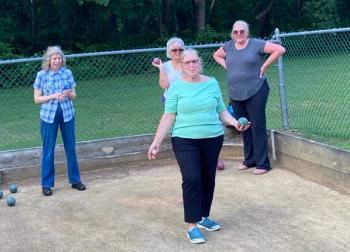
In a recent interview, Dr Phyllis Cassano shares a unique hobby she has outside the classroom—playing bocce ball for the Italian club she belongs to.

Dr Laurel Himes, practice manager at Beach Animal Hospital, provides insight on the overall goal of Tooney’s Last Resort—the animal sanctuary she founded on the practice's premise.

An expert in communication offers pointers on how to leave work-related stress from the veterinary clinic behind to promote a healthier work-life balance.

Veterinary technician and founder of Pet Dental Education explains common causes of tooth fractures and how to best treat them.
In a recent interview with dvm360®, expert veterinary technician Tasha McNerney emphasizes why using a laryngoscope is key to avoiding accidents in veterinary surgery.
In a recent interview with dvm360®, Dr Marty Becker sheds light on Fear Free's mission of promoting a safer and calmer environment for patients to thrive in.
Learn how this veterinarian does it all—from caring for pets to selling and flipping houses.
Fetch Virtual speaker Tasha McNerney, CVT, CVPP, VTS (Anesthesia), offers tips and tricks for advancing your career in veterinary pain management.

Longtime veterinary relief technician Liz Hughston, MEd, RVT, CVT, LVT, VTS (SAIM) (ECC), shares 3 things new technicians need to know.
Veterinary ophthalmologist Dr. Ron Ofri explains how to identify signs of dry eye, plus how to best diagnose this uncomfortable condition.
If you’re interested in integrative medicine, including the use of nutraceuticals as an adjunct to conventional medical protocols, then this webinar is for you.

Check out this week's top veterinary headlines.
Are you remaining optimistic about the future of veterinary practice? This ongoing COVID-19 conversation offers tips for combatting depression and burnout right now, and planning for the future.
The need for social distancing during the COVID-19 pandemic has created fertile ground for the use of telemedicine in providing veterinary care. Here's what you should know.
Certified leadership and wellness coach Kristina Guldbrand shares some tips to help you keep your veterinary team connected during these challenging times.

California house-call veterinarian Dr. Patrick Mahaney shares some of the changes he’s implemented during the COVID-19 pandemic.

A New Jersey small animal veterinarian shares how the pandemic has impacted his practice and explains his new approach for veterinary house calls.
Practice manager and regular dvm360.com contributor Emily Shiver shares how her clinic's protocols are evolving during the COVID-19 pandemic.
With COVID-19 interrupting life as we know it, how can veterinary teams remain calm while continuing to offer patient care? Certified leadership and wellness coach Kristina Guldbrand offers some tips.
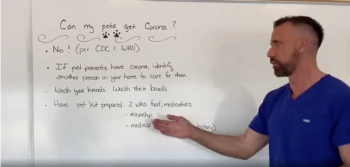
Dr. Adam Christman explains how to prevent the spread of COVID-19 at your practice and provides tips on what to do if your pet is feeling ill.
Want to be in the know? Check out the veterinary news highlights from this week.

Digital Empathy’s CEO Robert Sanchez offers some practical advice on how your veterinary practice can address the dreaded negative review.
When you suspect food allergy in a patient, performing an elimination diet trial is easier said than done. A veterinary dermatologist offers insight into how she selects a diet for her patients.

The best outcome in patients receiving opioids requires the ability to differentiate pain from dysphoria. A veterinary technician specialist shares her approach.
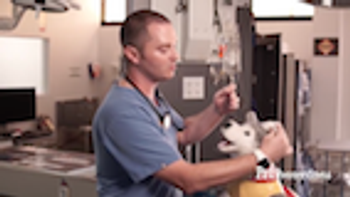
Gary Edelson, DVM, highlights the importance of at-home monitoring, the ease of setting up the AlphaTRAK 2 monitor, and observing glucose ranges. Dr. Edelson also demonstrates on a stuffed animal where to take the blood samples as well as how to read the AlphaTRAK 2 monitor.

Gary Edelson, DVM, discusses the proper storage and handling of insulin, the types of syringes available, locations to inject, and administration technique. Dr. Edelson also demonstrates how to draw up insulin into a syringe.